

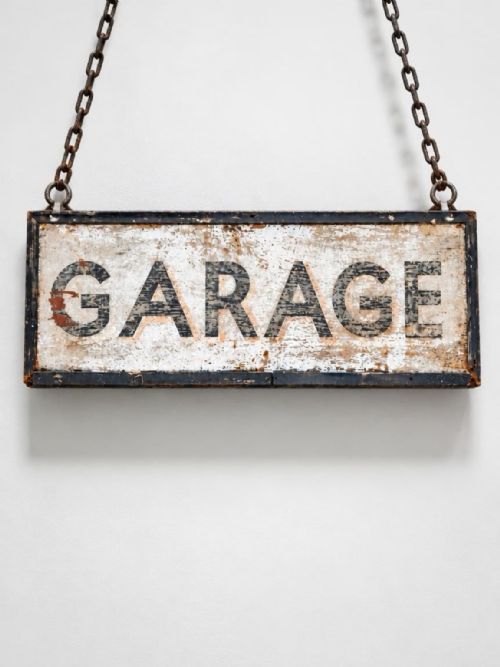
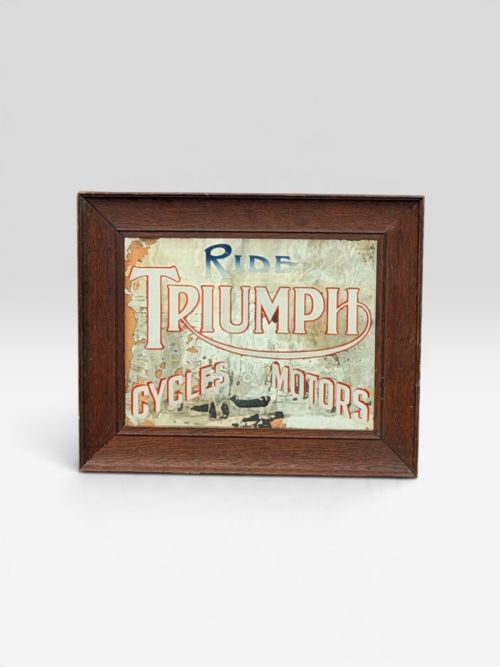
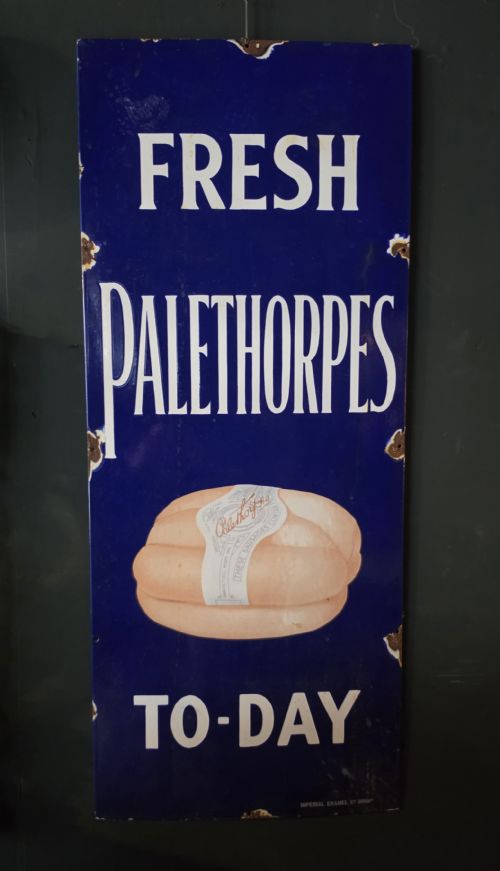
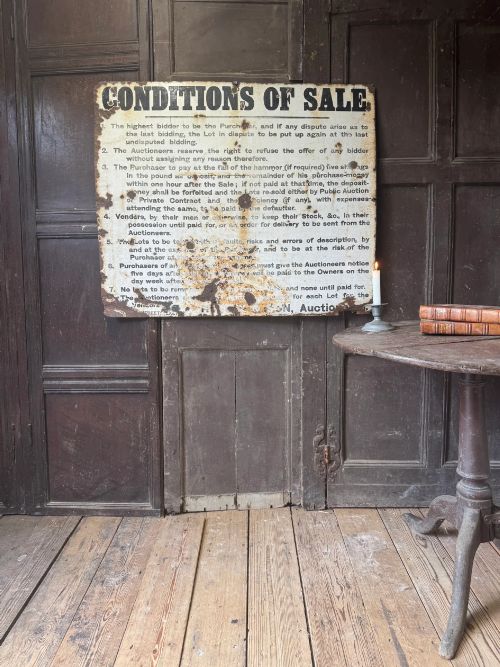


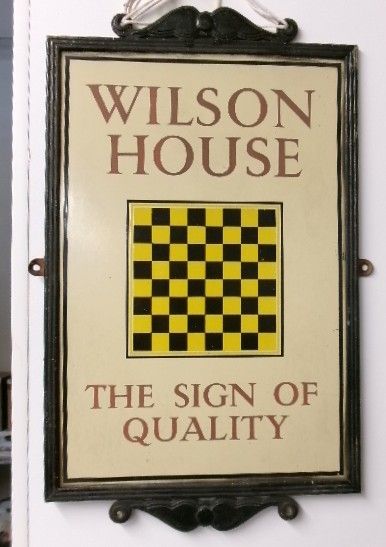


Advertising Wall Sign
An advertising wall sign carries the commercial history of high streets and factories across glass, iron, and enamel.
Advertising Wall Sign
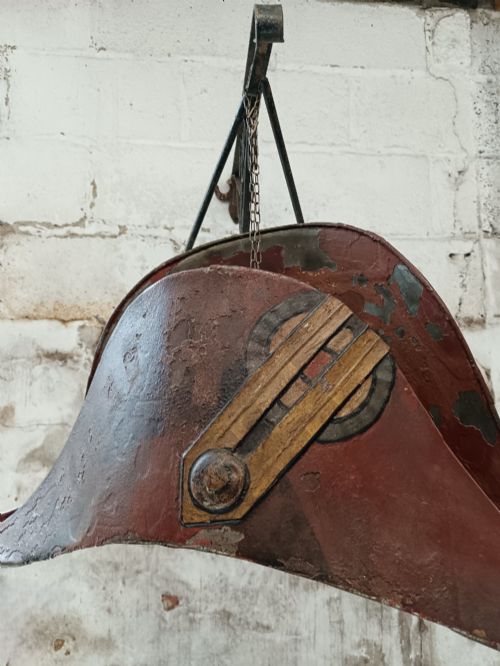
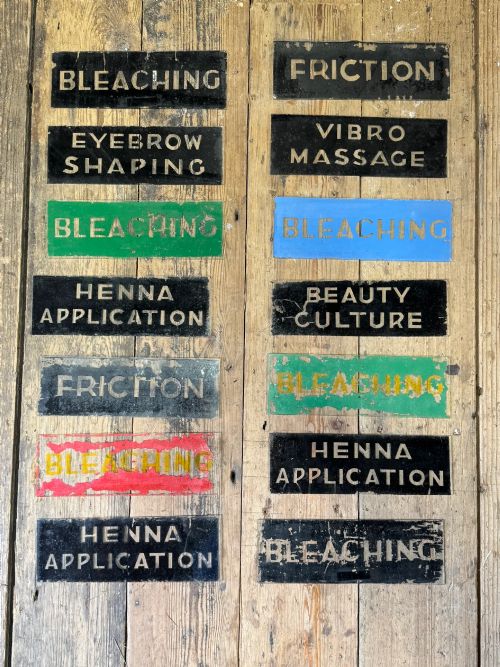
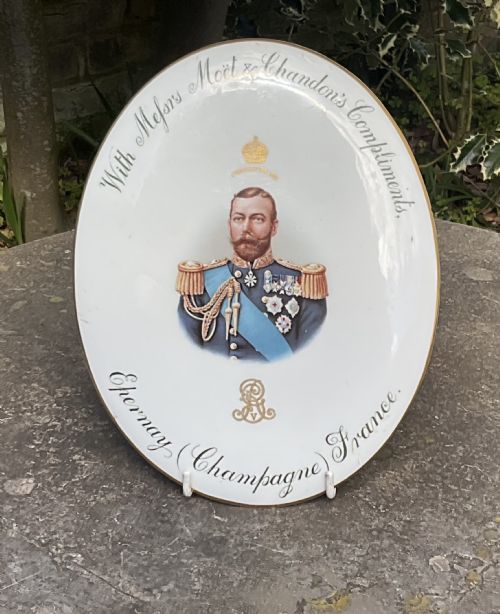
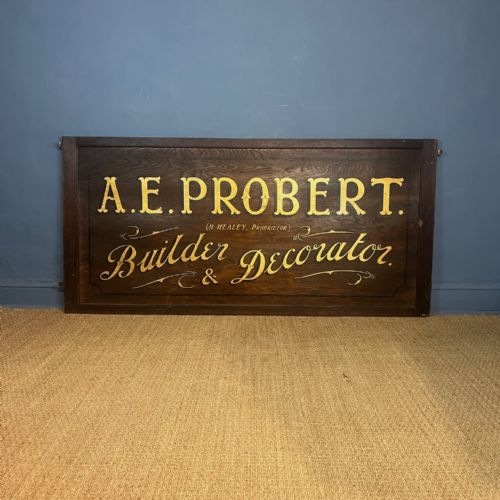
An advertising wall sign serves as a commercial marker, encompassing wall signs, trade signs, wall mirrors, and wall clocks found across various periods.
The pieces appearing on this page range from Victorian brass safe plaques and Edwardian decorators' boards to 1930s enamel panels and mid-century painted metal auction notices.
Buyers encounter a diverse selection of materials and forms, including reverse-painted glass, beaten copper embossed panels, and framed vitreous enamel.
Materials and construction methods
Vitreous enamel fused to sheet metal provides the durable coloured surface seen on many early twentieth-century examples.
Reverse-painted glass and mirror plates require careful hand-lettering and design execution behind the transparent front.
Cast iron, brass, oak, and pine serve as structural elements or direct relief substrates for trade plaques and signboards.
Advertising Wall Sign Retail Price Guide 2026
Typical asking prices for advertising wall sign among the pieces listed under this phrase on Sellingantiques today, from the lower quarter to the upper quarter. They describe what is for sale here now, not the wider market.
Listings feature items from the nineteenth century, Victorian era, 1900, 1910, 1920, 1930, 1940, and 1950.
Evaluating craftsmanship and survival
The standard of lettering, whether hand-painted, embossed, or fired in enamel, dictates the visual clarity of the piece.
Original frames, mounting brackets, and untouched surfaces distinguish surviving items that retain their complete structural context.
Smiths of London·Aitchison
The Advertising Wall Sign Glossary
- Vitreous Enamel
- A material made by fusing powdered glass to a substrate by firing, producing a durable and glossy coloured finish. This technique protects the underlying metal from rust and wear in outdoor settings.
- Reverse-Painted Glass
- A process where the design is applied to the rear face of the glass panel, viewed through the transparent front. This method protects the paint layers from physical damage and atmospheric grime.
- Toleware
- Painted or lacquered tinplate objects produced for domestic or trade use. The metal core receives multiple coats of dark paint and often hand-gilded decoration.
- Trade Sign
- A board, figure, or clock displayed outside or inside a shop to indicate the merchant's trade. These items rely on recognizable symbols and clear lettering to attract customers.
Advertising Wall Sign: Frequently Asked Questions
How do I hang a heavy enamel sign?
These pieces require secure fixings into solid masonry or studwork using appropriate wall plugs and screws. The weight of iron and glass panels demands load-bearing support.
Distribute the weight evenly across multiple mounting points to prevent stress fractures in the enamel or frame.
What periods do these signs come from?
The selection spans the nineteenth century through to the mid-twentieth century, covering Victorian, Edwardian, and Art Deco eras. Each period uses distinct materials and typography.
Industrial and provincial pieces from the 1920s and 1930s appear frequently alongside earlier trade plaques.
How should I clean an antique glass sign?
Use a dry microfiber cloth to remove dust from the surface without applying pressure to painted areas. Moisture can seep behind flaking paint or distressed mirror plates.
Avoid chemical cleaning agents that might strip original hand-written lettering or vintage finishes.
Are trade clocks still in working order?
Mechanical movements vary in condition and may require professional servicing to function accurately. Many pieces are valued primarily for their historic dial graphics and original housing.
Check individual descriptions for notes regarding the operational status of clock mechanisms.