





Advertising Wall Plaque
An advertising wall plaque carries the commercial history of the street into the room with vitreous enamel, cast iron, and ceramic.
Advertising Wall Plaque
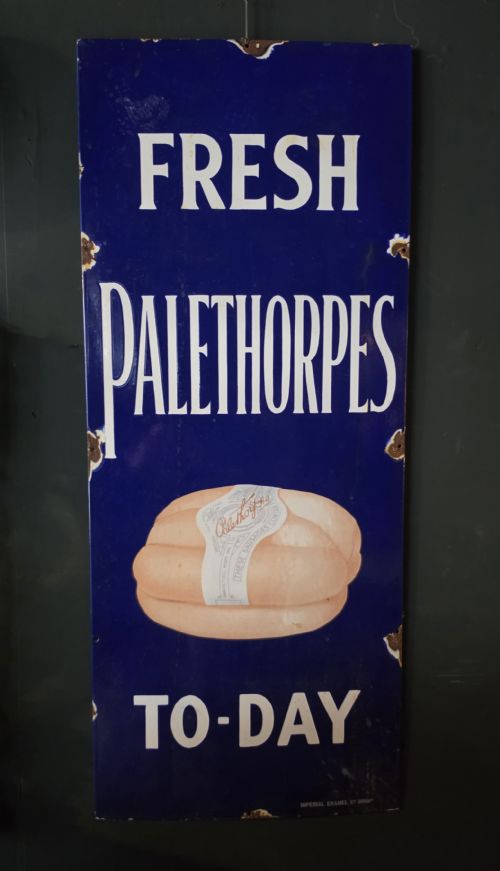
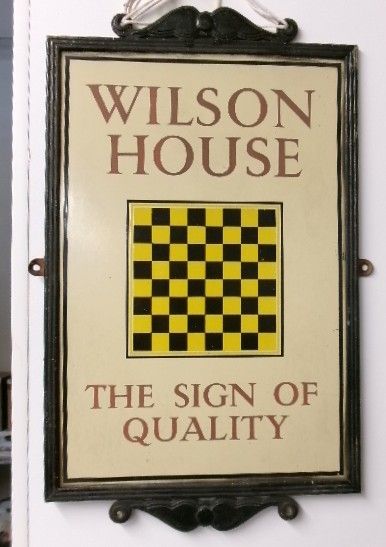
An advertising wall plaque represents commercial trade signs, plaques, and decorative tiles produced to promote businesses, products, and services from the late nineteenth century through the early twentieth century. You will most frequently meet vitreous enamel signs and metal shop signs on this page, originating from periods such as the Victorian era, Edwardian years, and the 1920s and 1930s.
The forms range from large company signs and framed notices to specialised trade markers like butcher's tiles, brass safe plaques, and salesman's sample pieces. Many pieces bear the names of specific commodities, breweries, and local enterprises, serving as functional street furniture adapted for display inside.
Makers and merchants utilised these durable wall fixtures to catch the eye of passers-by on shop fronts, station platforms, and trade premises. Surviving examples bring industrial and commercial character into domestic interiors, retaining the bold typography and imagery of their original working lives.
How they were made
Makers constructed these pieces using sheet iron, sheet metal, cast iron, and brass, applying vitreous enamel, paint, and glazes to create weather-resistant surfaces. Enamel signs relied on fusing powdered glass to metal sheets at high temperatures, producing a glossy and permanent finish that resisted fading in outdoor conditions.
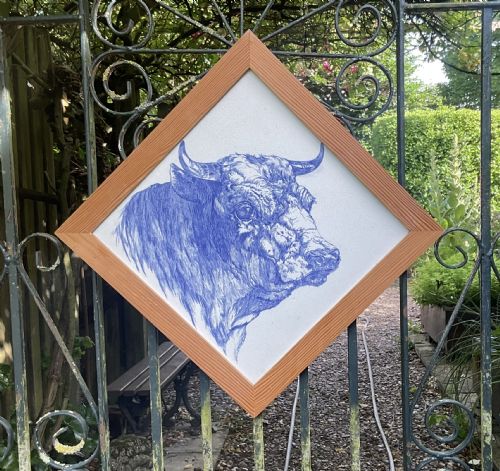
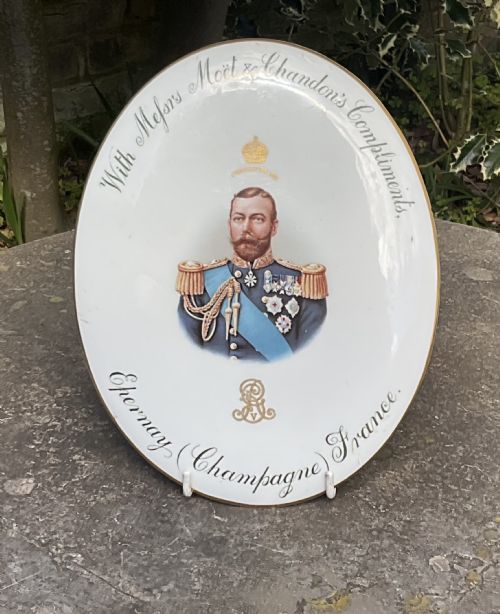
Ceramic items like tiles and salesman's sample jugs incorporated shaped clay bodies finished with heavy glazes and painted details. Metal panels were also embossed, beaten from copper, or cast in iron to give the lettering and decorative motifs physical depth and durability.
Advertising Wall Plaque Retail Price Guide 2026
Typical asking prices for advertising wall plaque among the pieces listed under this phrase on Sellingantiques today, from the lower quarter to the upper quarter. They describe what is for sale here now, not the wider market.
One pocket watch trade sign tells no time at all, yet still commanded attention outside a forgotten watchmaker's door.
What varies in quality
The strength of an advertising wall plaque lies in the crispness of its lettering, the depth of its colour, and the preservation of its original surface glaze or paint. Pieces that retain their full original framing, mounting brackets, or unblemished enamel show superior survival through decades of exposure.
Greater distinction belongs to items featuring detailed pictorial elements, named local trades, or uncommon materials like beaten copper and brass rather than standard utilitarian signage. The harmony between the typography and the underlying metal or ceramic ground dictates the visual authority of the piece.
Mintons·Palethorpes·Moët and Chandon·Colman·J and H Keyworth and Co
The Advertising Wall Plaque Glossary
- Vitreous Enamel
- A material created by fusing powdered glass to a substrate, usually sheet iron or steel, through firing at high temperatures. This process results in a hard, glossy, and chemically resistant surface ideal for outdoor signage.
- Salesman's Sample
- A portable, often reduced-scale version of a larger product or sign, carried by commercial travellers to demonstrate wares to prospective shopkeepers.
- Trade Sign
- A sign identifying the profession, goods, or services provided by a merchant or craftsman at a specific business location.
- Pictorial Enamel
- An enamel sign incorporating figurative illustrations or graphics alongside lettering to advertise a specific brand or product.
- Embossed Panel
- A sheet metal panel shaped or raised in relief to give three-dimensional form to lettering or decorative designs.
Advertising Wall Plaque: Frequently Asked Questions
How were advertising plaques mounted?
Most pieces were designed for permanent attachment to exterior brickwork, shop facades, or interior walls using pre-drilled fixing holes or dedicated iron frames. Surviving items often retain the original mounting brackets or edge framing used to secure them safely in high-traffic commercial environments.
When hanging these pieces indoors, ensure the wall fixings support the considerable weight of cast iron or heavy enamel plates. Using padded stand-offs or robust picture wire secured to original framing helps protect both the wall and the structural integrity of the sign.
What periods do these signs come from?
The selection spans from the late Victorian period through the Edwardian era and into the interwar decades of the 1920s and 1930s. Industrial commercial output peaked during these years as companies invested heavily in durable metal and enamel advertising.
Distinguishing between these eras relies on examining the typography, the manufacturing techniques, and the styling cues such as Arts and Crafts or French Industrial influences. Earlier Victorian pieces often favour cast metals and ceramic tiles, while 1920s and 1930s examples lean towards vibrant vitreous enamel.
How do I clean an enamel sign?
Cleaning vitreous enamel requires only warm water and mild soap applied with a soft cloth to remove accumulated surface dust and grime without scratching the glaze. Avoid abrasive scouring pads, harsh chemical solvents, or metal polishes that can dull the glossy vitreous surface or damage painted details.
Dry the metal thoroughly after washing to prevent moisture from attacking any exposed iron edges around the mounting holes. Preserving the natural patina of age is preferable to aggressive restoration that strips away the history of the object.
Where were trade signs displayed?
Business owners placed trade signs directly outside shop fronts, above doorways, along railway platforms, and inside public houses to attract the attention of passing pedestrians. Smaller plaques and ceramic tiles were often displayed inside trade premises near counters or embedded directly into interior walls.
In a modern domestic setting, these pieces work well in kitchens, hallways, or garden rooms where their bold commercial graphics can act as focal points. They anchor contemporary spaces by introducing genuine industrial texture and historic colour.