



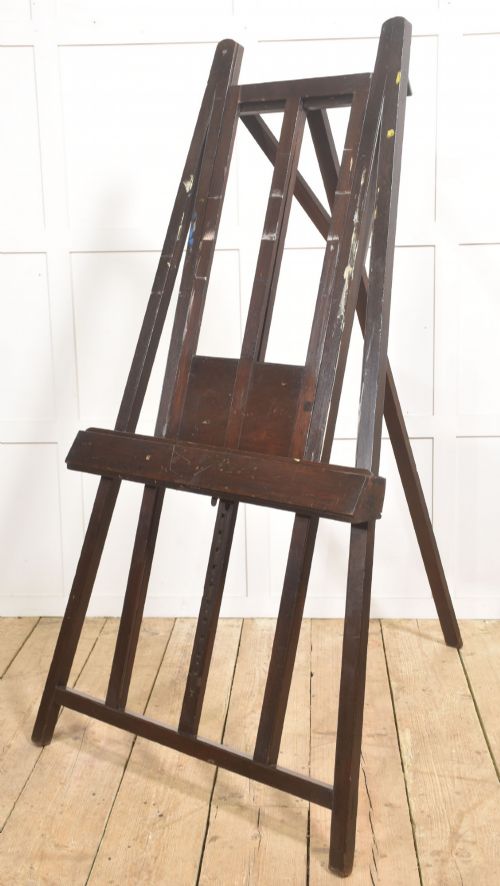


Adjustable Wood Easel
These adjustable wood easel designs range from compact tabletop models to large studio pieces, offering practical display for artists, readers, and collectors alike.
Adjustable Wood Easel
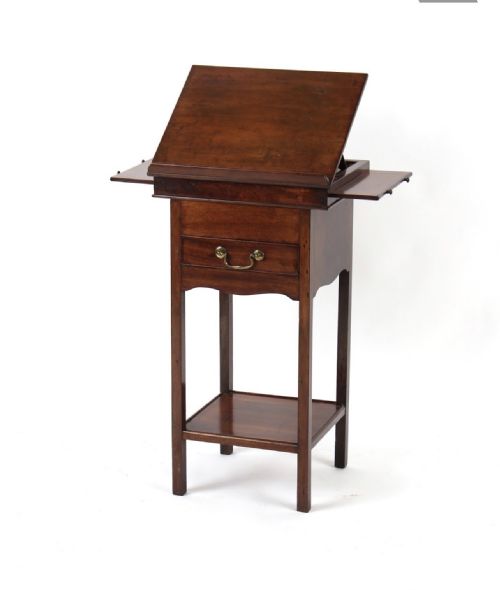
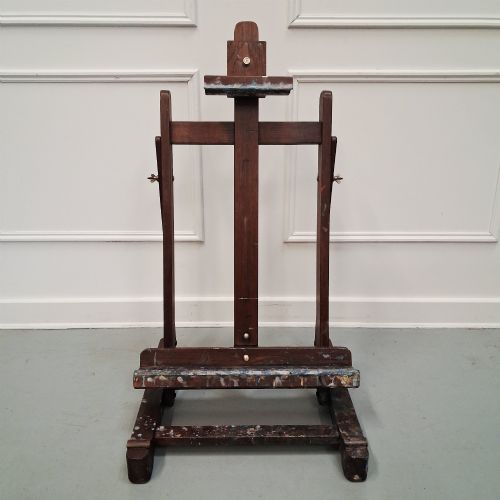
An adjustable wood easel is a functional stand designed to hold books, sheet music, folios, or canvases at a convenient working or viewing angle. The pieces seen here span from the early nineteenth century through to the 1930s, encompassing studio forms and smaller desk-top items.
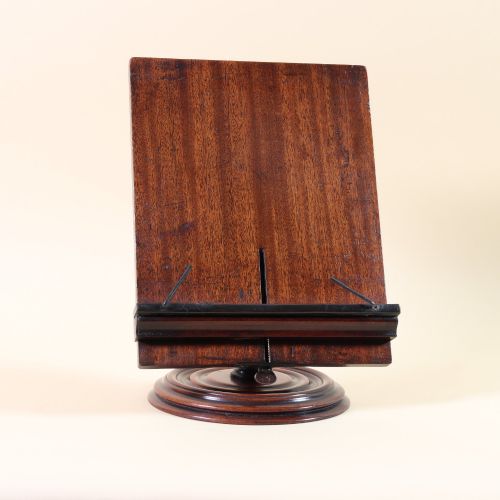
Buyers searching for an adjustable wood easel will encounter studio pieces alongside tabletop oak easels from French Provincial or 1930s French contexts, as well as reading stands and music stands in mahogany, rosewood, and walnut.
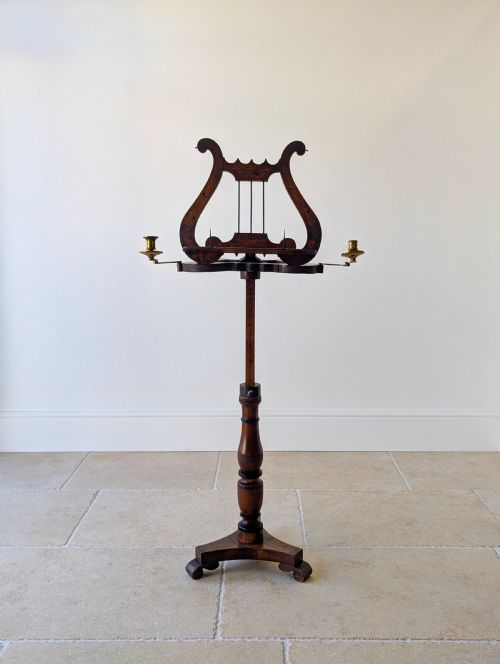
The selection includes specialised variations such as lyre-form music stands, folio stands, and architect picture racks. These objects served utilitarian purposes in libraries, music rooms, and artists' studios during the Regency, William IV, and Victorian eras.
How they were made
Cabinetmakers constructed these pieces primarily using dense timbers such as mahogany, rosewood, oak, and walnut, frequently incorporating brass and iron mechanisms to allow for height and angle adjustments. The wood was selected for both structural stability and rich grain pattern.
Mechanical ingenuity defined the construction of fully adjustable stands, utilising ratchets, screws, and pivoting brackets made of metal and brass. Joinery methods matched the heavy weight-bearing demands of large studio easels and folio racks.
Adjustable Wood Easel Retail Price Guide 2026
Typical asking prices for adjustable wood easel among the pieces listed under this phrase on Sellingantiques today, from the lower quarter to the upper quarter. They describe what is for sale here now, not the wider market.
Object forms include studio easels, tabletop versions, reading stands, music stands, and folio racks designed for architectural drawings.
What varies in quality
Quality in these pieces is dictated by the sophistication of the adjustment mechanism and the integrity of the timber used in the frame. Superior examples combine robust architectural proportions with smooth-operating brass or metal ratchets that retain their original function.
Finer items demonstrate careful attention to secondary details, such as lyre-form supports, carved decorative elements like swan designs, and well-matched wood veneers. Simpler utility stands rely on plain construction without sculptural embellishment.
The Adjustable Wood Easel Glossary
- Studio easel
- A large, heavy-duty floor-standing apparatus designed to support artist canvases during painting. These substantial wooden frames usually feature winch or ratchet systems for height alteration.
- Folio stand
- A low-slung rack with pivoting or folding sides used for storing and displaying large flat papers, prints, or architects drawings. They appear in robust hardwoods like mahogany and rosewood.
- Lyre-form
- A decorative motif shaped like an ancient musical lyre, commonly utilised in the central support column of nineteenth-century music stands and reading desks.
- Reading stand
- A tabletop or pedestal-mounted desk accessory designed to hold books open at an inclined angle. They often incorporate folding ledges and adjustable struts at the rear.
- Lectern
- A raised stand with a slanted top used to hold a speech or heavy book for a standing speaker. In the material record, these share mechanical similarities with adjustable music stands.
Adjustable Wood Easel: Frequently Asked Questions
What is an adjustable wood easel used for?
These pieces were originally built to hold canvases, heavy volumes, sheet music, or architectural folios at functional viewing angles.
Today, they serve similar practical purposes while also functioning as decorative display stands for books and artwork in domestic interiors.
How do I operate the adjustment mechanism?
Adjustment is typically achieved through brass or iron ratchets, wooden pegs, or pivoting struts located at the rear of the stand. Users lift or tilt the reading ledge to the desired notch and secure it in place.
Care should be taken with antique metal components to ensure they move freely without forcing seized joints.
What woods were commonly used?
Cabinetmakers utilised a variety of durable hardwoods including mahogany, rosewood, oak, walnut, and plain wood. Each timber provided the structural strength required to support heavy books or large canvases.
Darker woods like rosewood and mahogany were favoured for principal reception and library rooms, whilst oak frequently appeared in studio and provincial pieces.
How do I date a piece?
Dating relies on stylistic markers associated with periods such as Regency, William IV, and Victorian design, alongside the complexity of the brass and iron hardware. Cabinetmaking techniques and timber choices also provide reliable clues to the era of manufacture.
Later pieces from the 1930s often display simpler French Provincial characteristics with lighter oak construction.