





Adjustable Standard Light
An adjustable standard light offers versatile illumination by altering its height or reach, making it a practical choice for reading and living spaces.
Adjustable Standard Light
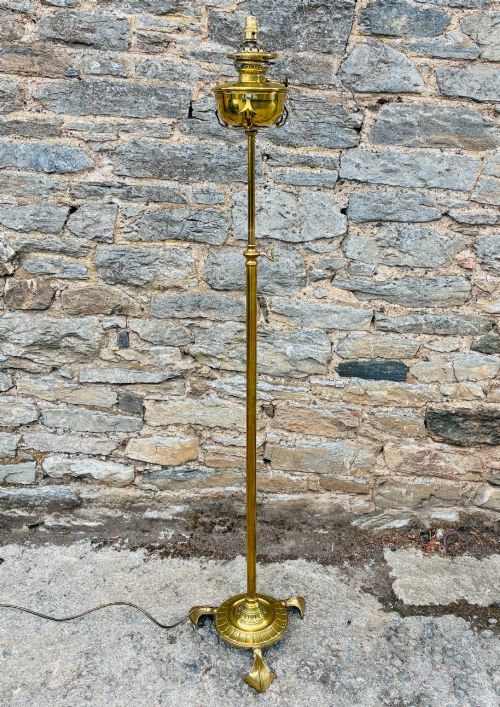
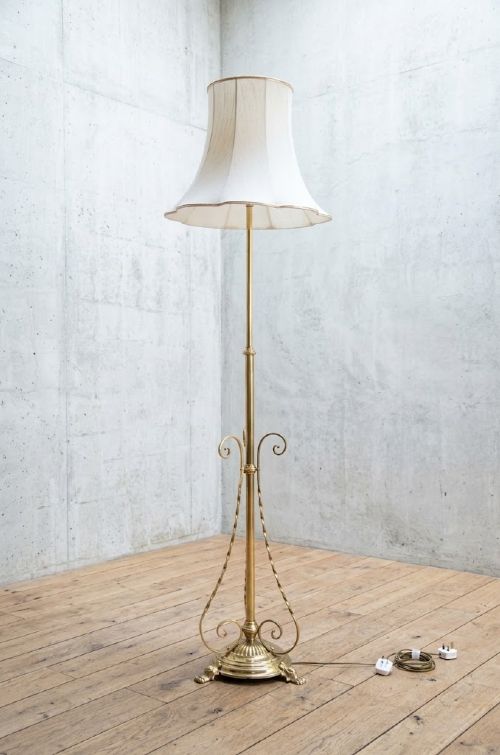
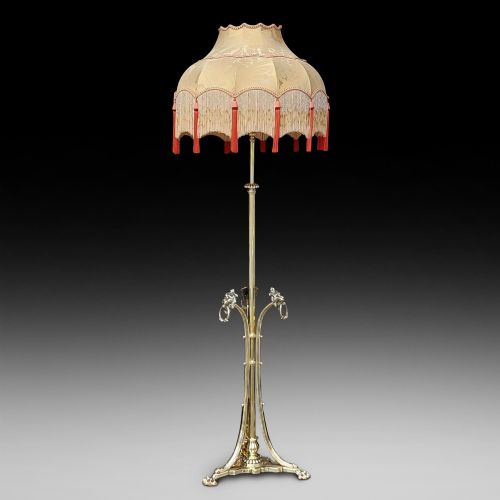
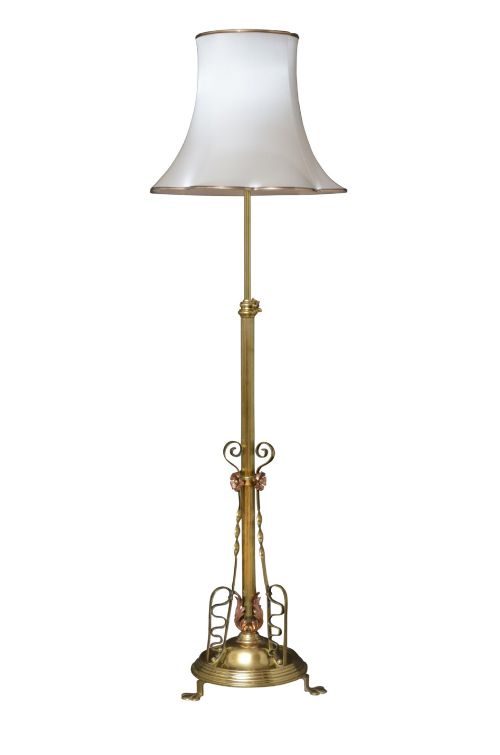
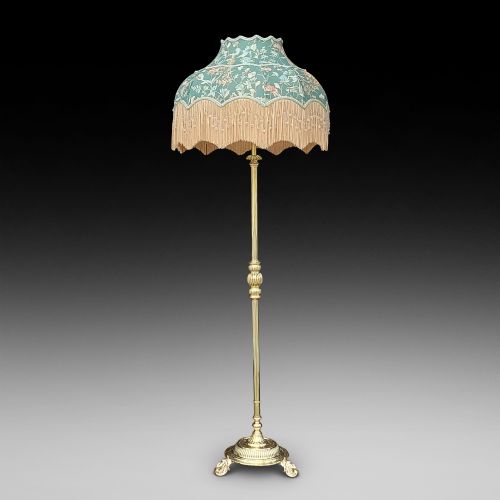
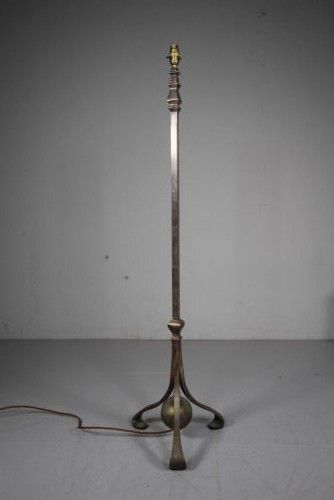
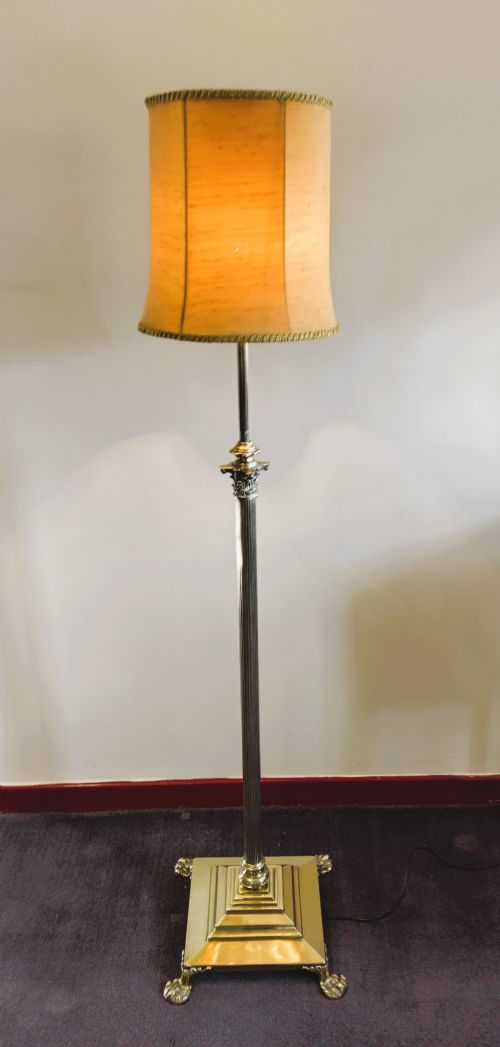
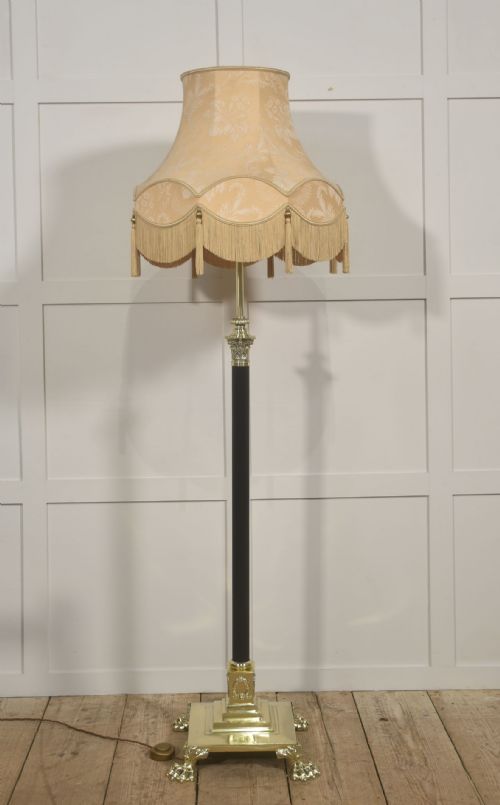
When you search for an adjustable standard light, you encounter tall floor-standing luminaires designed to illuminate large spaces or direct light downward for reading. The most common versions on this page are telescopic brass standards originating from the Victorian and Edwardian periods, alongside Arts and Crafts and 1920s examples.
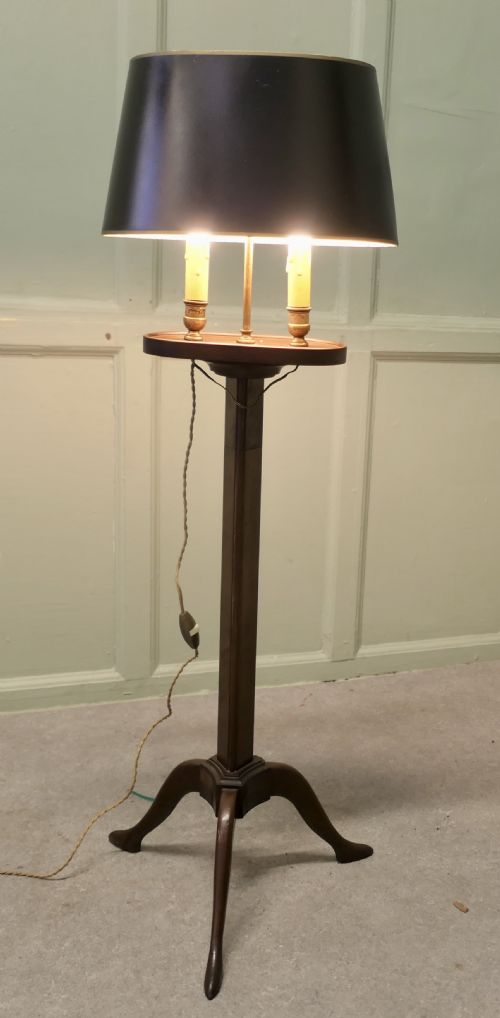
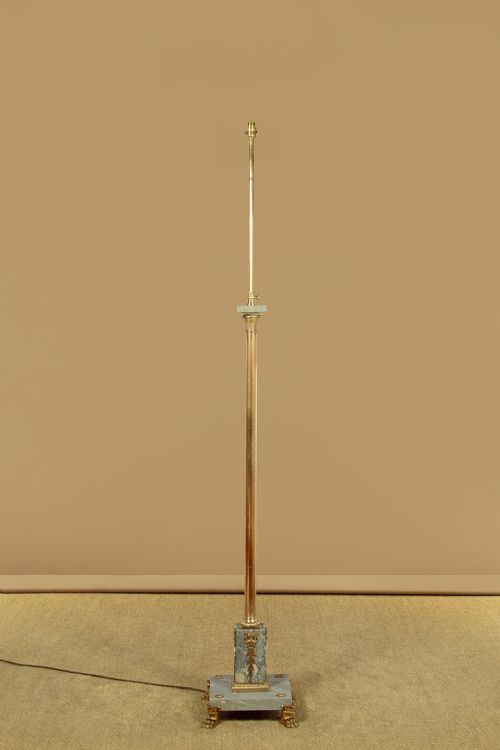
These fixtures often take the form of standard lamps, floor lamps, or converted oil lamps with adjustable stems or extending arms. Materials range from polished brass and wrought iron to copper, silver plate, and occasional combinations involving marble, onyx, or wood.
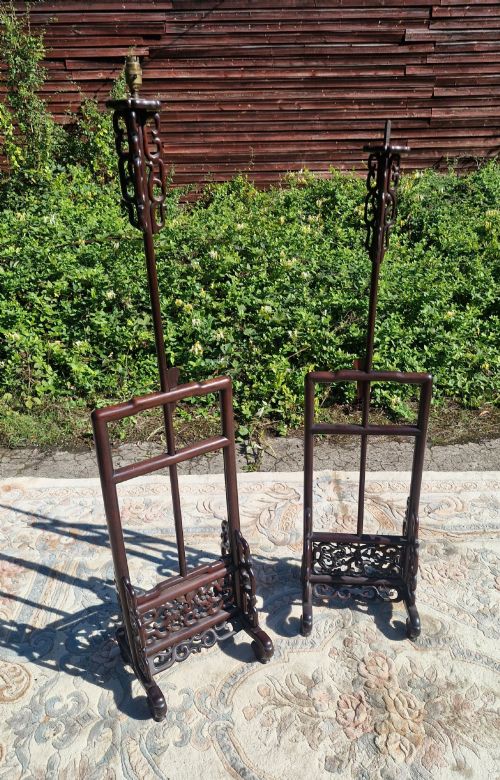
Many early pieces began life as oil lamps before being converted to electricity, whilst others incorporate twin candles, swivel reading heads, or tripod bases. Stylistic influences span neoclassical columns, Gothic revival elements, Art Nouveau curves, and traditional Chinese or oriental designs.
How they were made
Makers utilised heavy cast metals such as brass, bronze, and iron to provide a stable base for tall, weighted floor standards. Telescopic mechanisms relied on sliding inner tubes secured by keys or screws, allowing the user to raise and lower the height smoothly.
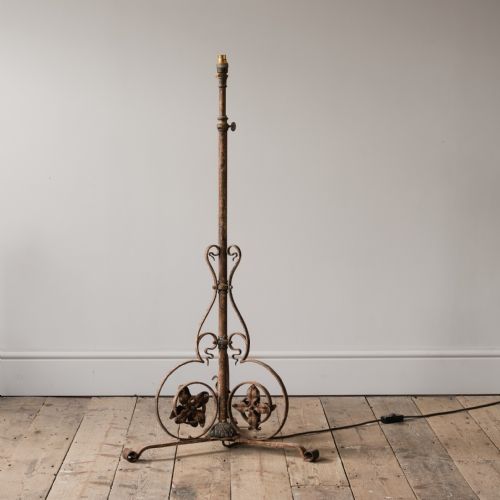
Wrought iron examples demonstrate traditional blacksmithing techniques with hand-forged scroll arms and adjustable joints, whilst brass versions often feature fluted columns, Corinthian capitals, or tripod legs.
Surface finishes include polished and patinated metalwork, combined occasionally with cranberry glass shades, fabric or silk coverings, and marble or onyx plinths to add weight and decorative contrast.
Adjustable Standard Light Retail Price Guide 2026
Typical asking prices for adjustable standard light among the pieces listed under this phrase on Sellingantiques today, from the lower quarter to the upper quarter. They describe what is for sale here now, not the wider market.
Listings feature brass, wrought iron, copper, and marble materials across Victorian, Edwardian, and Arts and Crafts styles.
What varies in quality
The standard of engineering in the telescopic mechanism dictates the functional quality of the piece, with smoother gliding actions and secure locking keys marking out superior examples. Heavier bases made from solid brass, iron, or stone provide better stability for extended heights than lighter, thinner constructions.
Material selection and decorative detailing also divide the range, from simple utilitarian wrought iron frames to finely cast neoclassical brass columns with intricate enrichment. Maker attribution, such as signed Messenger pieces, elevates the provenance and desirability of a standard light.
The integrity of the conversion work, particularly how cleanly electrical wiring runs through historic oil lamp reservoirs and stems, distinguishes professional adaptations from crude alterations.
Messenger
The Adjustable Standard Light Glossary
- Telescopic
- Describing a standard lamp whose stem consists of concentric tubes sliding one inside another to alter the overall height.
- Standard lamp
- A tall floor-standing lamp designed to support a shade or burner at an elevated position.
- Bouillotte
- A style of lamp featuring adjustable twin candles or lights, traditionally used on desks or beside seating.
- Corinthian column
- An architectural column capital featuring ornate acanthus leaves, frequently adopted for the upper stems of brass floor lamps.
- Tripod
- A three-legged base providing stable support for floor-standing illumination.
Adjustable Standard Light: Frequently Asked Questions
Were these originally oil lamps?
A significant number of Victorian and Edwardian standard lights on the market started life as oil-burning floor lamps before being converted to electricity later in their lives. These conversions often retain the original burner galleries, reservoirs, or telescopic brass columns.
Converted pieces combine historic craftsmanship with modern electrical fittings, allowing older lighting to function safely in contemporary homes.
How do I choose the right shade?
Selecting a shade depends on the proportion of the standard lamp and the intended use, whether for ambient room lighting or direct reading. Fabric, silk, and glass shades are period-appropriate choices that complement brass, copper, and wrought iron bases.
Consider the drop and width of the shade to ensure it balances the visual weight of the heavy base and conceals the bulb holder effectively.
Can I use them with modern dimmer switches?
Many converted and rewired standard lights accommodate modern dimming capabilities, provided the appropriate bulbs and compatible wiring are installed by a qualified professional. It is advisable to check the specific electrical components of older brass and metal standards before connecting them to dimmer circuits.
Consulting an electrician ensures that historic telescopic wiring pathways remain safe and compliant with current standards.