


Adjustable Shade Lamp
An adjustable shade lamp brings directional control to interior lighting, spanning eras from the Victorian period through to the 1940s.
Adjustable Shade Lamp
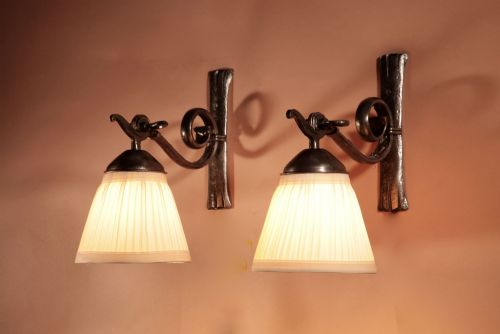
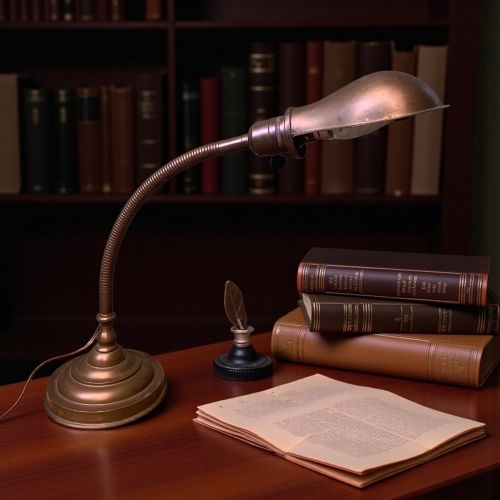
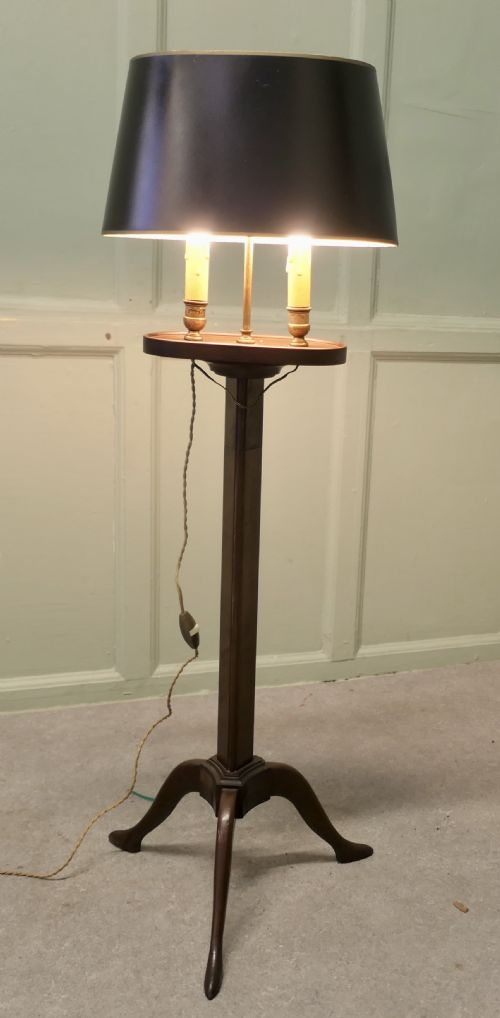
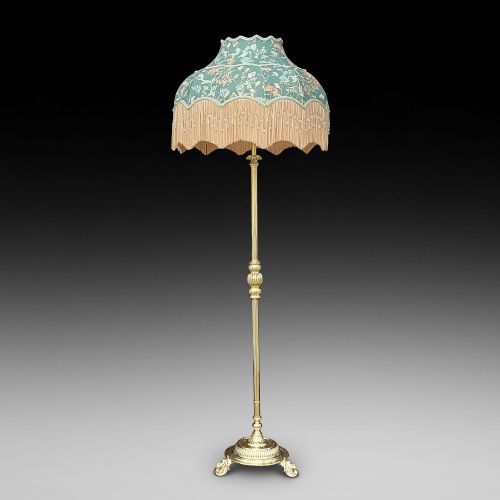
An adjustable shade lamp satisfies the practical need to direct illumination precisely where required, taking forms such as floor standing standard lamps, table lamps, and desk lamps. Buyers seeking an adjustable shade lamp will encounter various configurations designed for reading, writing, or ambient task lighting across historical interiors.
The selections span distinct periods including the Victorian era, Edwardian period, and the 1920s and 1930s. Brass and wrought iron emerge frequently as primary structural materials, paired with toleware, glass, or fabric shades to control light output.
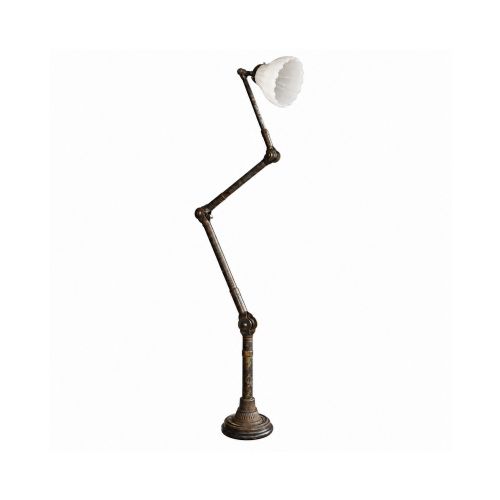
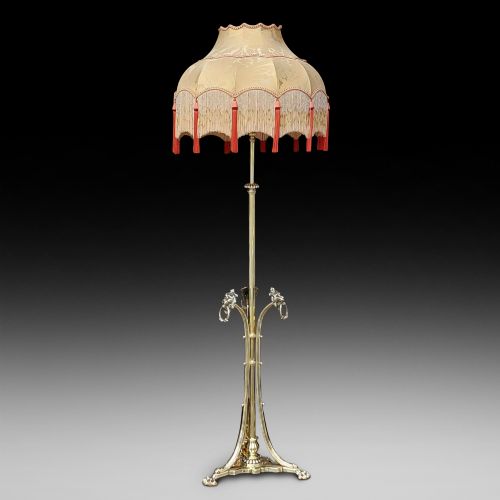
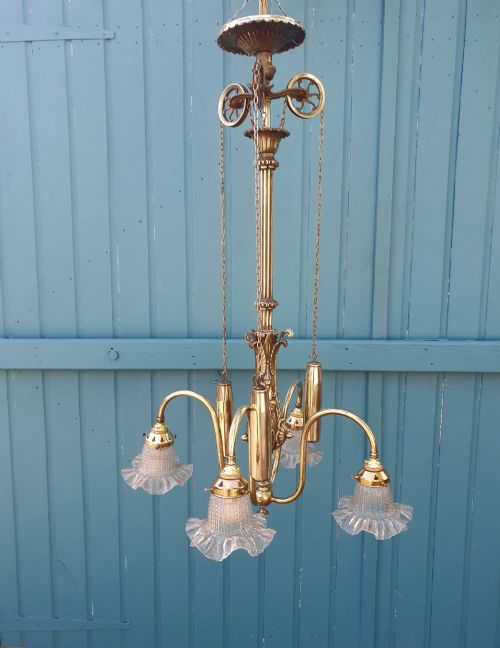
Floor lamps and standard lamps often utilise telescopic mechanisms or swivel arms, while smaller desk versions employ flexible stems or rise and fall counterweights. These pieces reflect the technological shifts from oil and candle power to electricity throughout the nineteenth and twentieth centuries.
Assessing quality and execution
Quality rests in the precision of the mechanical adjustment, where telescopic columns or swivel arms move smoothly and lock securely into position without slipping. Heavy, well-balanced bases demonstrate superior construction, preventing the tipping that cheaper, lighter standards suffer from when extended.
The integrity of the original components, from painted tole shades to brass fittings and weighted bases, distinguishes standard production from finer examples. Maker signatures or branded elements on bronze, brass, and plated metalwork indicate higher tier workshops.
The selection spans diverse design movements including Victorian, Edwardian, Arts and Crafts, Art Nouveau, Art Deco, and French Empire styles.
M Pillischer of London·Tiffany Studios NYC·Messenger
The Adjustable Shade Lamp Glossary
- Bouillotte lamp
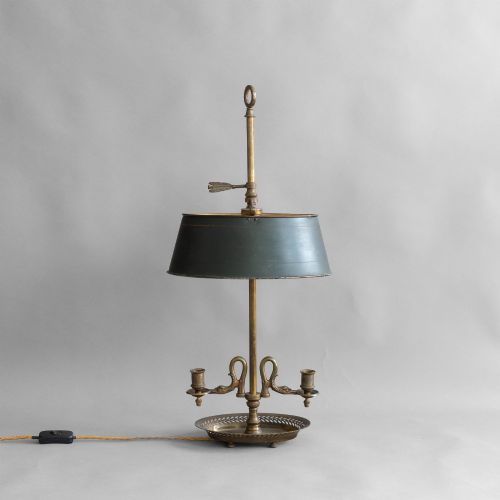
- A traditional French desk or table lamp featuring a central shaft and an adjustable shade that moves up and down on a rod. It typically holds two, three, or four candle-style lights.
- Rise and fall
- A mechanism utilising a counterweight or pulley system that allows the light source or shade to be adjusted vertically and held at various heights.
- Toleware
- Enamelled or lacquered metalware, commonly painted green or other colours, frequently used for traditional lamp shades to direct light downward.
- Telescopic
- A construction method where one tubular metal section slides inside another to permit height adjustment of the lamp standard.
- Swan neck
- A curved upper arm on a desk or floor lamp that positions the shade forward over a workspace.
Adjustable Shade Lamp: Frequently Asked Questions
What is a bouillotte lamp used for?
Originally designed for the card game of bouillotte in France, these lamps provided focused illumination over a table surface. The central adjustable shade could be lowered as the candles burned down.
Later adaptations incorporated electrical fittings while retaining the characteristic painted tole shade and multi-branch candle arrangement.
Are these lamps suitable for modern desks?
Desk lamp formats from the Edwardian and Art Deco periods fit well into contemporary workspaces, offering directional light via flexible arms or adjustable shades. Brass, chrome, and painted finishes complement both traditional and modern office interiors.
Wiring requires inspection by a qualified professional to ensure safety standards are met before daily use.
How do I date an antique brass lamp?
Dating relies on examining manufacturing styles, switch types, and base construction across periods like the Victorian era, Arts and Crafts movement, or Art Deco. Wrought iron tripod bases often point toward Arts and Crafts designs, while streamlined chrome suggests the 1920s or 1930s.
Maker stamps or registration marks cast into the metal base can provide further chronological evidence.