

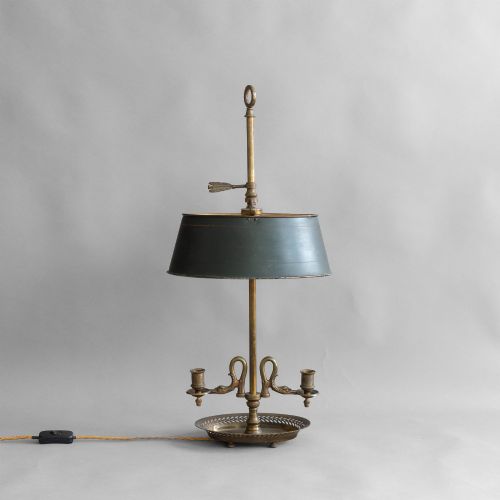


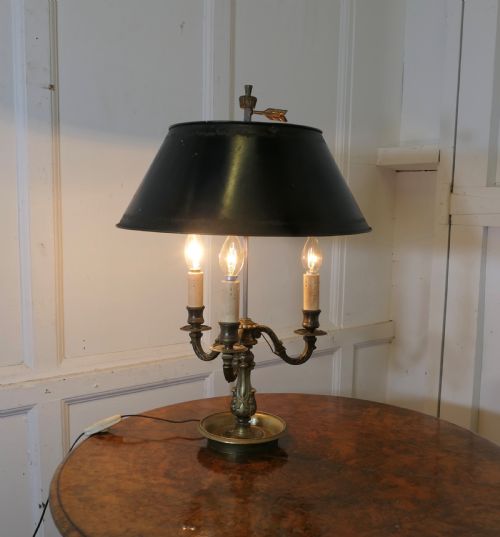


Adjustable Metal Shade Lamp
These adjustable metal shade lamp designs offer targeted illumination, combining period character with functional versatility for modern interiors.
Adjustable Metal Shade Lamp
An adjustable metal shade lamp provides directed light through pivoting or telescoping mechanisms, spanning desk, table, and floor standing formats. These pieces emerge across periods from the Victorian era through the 1940s, reflecting changing domestic and workspace needs.
You will frequently encounter brass, bronze, and wrought iron constructions paired with toleware shades, often manifesting in styles such as Arts and Crafts, Art Deco, and French Empire. Desk lamps and standard floor lamps dominate the selection, offering both task lighting and ambient presence.
The materials and forms reflect the manufacturing priorities of their respective decades, from early telescopic floor stands to 1930s articulated desk models. Selecting one means weighing whether you need a compact table footprint or a tall standard floor reach.
Materials and construction methods
The construction relies heavily on durable metals like brass, bronze, cast iron, and wrought iron, ensuring stability for adjustable arms and weighted bases. Artisans shaped sheet metal and spun brass to form the characteristic shades that direct the light beam.
Painted finishes, particularly green and gold toleware, add decorative surface detail to the metal bodies of French and English examples. Scroll arms, telescopic rods, and flexible joints are engineered using mechanical fasteners to allow smooth positioning without slipping.
Adjustable Metal Shade Lamp Retail Price Guide 2026
Typical asking prices for adjustable metal shade lamp among the pieces listed under this phrase on Sellingantiques today, from the lower quarter to the upper quarter. They describe what is for sale here now, not the wider market.
Some Victorian reading lamps were built heavy enough to double as indoor exercise equipment if you lost your grip while adjusting the arm.
Factors of quality and execution
Quality rests in the precision of the mechanical joints and the heft of the base, which dictate how steadily the arm holds its position. Superior examples employ solid brass or heavy bronze rather than lighter alloys, ensuring longevity in the adjustable components.
The finesse of the metal spinning on the shade and the hand-painted execution of toleware surfaces distinguish finer workshop output from utilitarian production. Original patination on the unpainted metal surfaces also plays a role in the overall integrity of the piece.
W A S Benson·Hawkins
The Adjustable Metal Shade Lamp Glossary
- Toleware
- Painted or lacquered sheet metal items, frequently utilised for lamp shades in green and gold colourways. This technique provided durable, colourful decoration in 19th and early 20th century lighting.
- Bouillotte lamp
- A traditional French desk or table lamp featuring a central shaft, adjustable metal shade, and multiple candle arms or bulb sockets. They commonly incorporate a saucer base designed to catch wax.
- Standard lamp
- A tall floor-standing lighting fixture designed to illuminate a room from standing height rather than resting on a surface. These often feature telescopic shafts for height adjustment.
- Telescopic
- An adjustable mechanism allowing a lamp stem to extend or retract vertically using sliding concentric tubes. This design permits customisation of light height in floor and desk models.
Adjustable Metal Shade Lamp: Frequently Asked Questions
Where were bouillotte lamps traditionally used?
Bouillotte lamps originated in France for use on card tables where players gathered for the game of bouillotte. The adjustable metal shade directed light downwards onto the cards while keeping glare out of the players' eyes.
Over time, these versatile pieces moved onto writing desks and reading tables in studies and libraries. Their classic combination of brass and painted toleware makes them well-suited for similar task lighting roles today.
Can I use modern light bulbs in these?
Most antique fixtures accommodate modern bulbs provided the wattage does not exceed the capacity of the original wiring and socket housing. Many pieces have been previously rewired to meet contemporary electrical standards.
It is advisable to consult a qualified electrician to inspect older wiring before regular use. LED bulbs are often chosen because they generate less heat inside enclosed metal shades.
How do I clean a toleware shade?
Painted metal toleware requires gentle dusting with a soft, dry cloth to preserve the original surface finish and painted details. Avoid harsh chemical cleaners or abrasive scouring pads that can strip the painted decoration.
If more thorough cleaning is necessary, a slightly damp cloth with mild soap can be used very cautiously, followed immediately by thorough drying. Protecting the surface from direct moisture prevents rust formation on exposed iron or steel underneath.