





Adjustable Metal Light
An adjustable metal light solves the simple problem of directing illumination exactly where needed through mechanical ingenuity.
Adjustable Metal Light
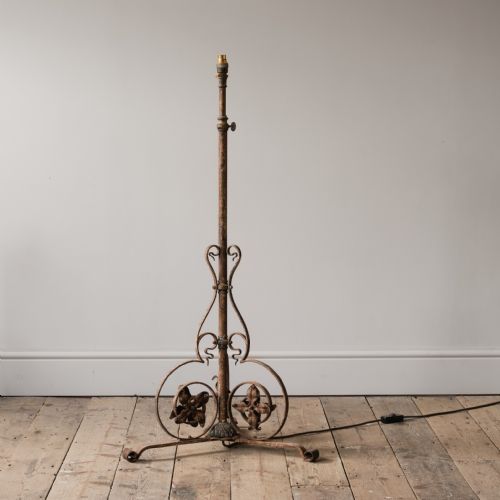
An adjustable metal light encompasses a wide variety of functional fittings designed to alter height and angle, ranging from simple desk lamps to towering floor standards. When searching for an adjustable metal light, buyers frequently encounter heavy telescopic wrought iron pieces and articulated brass designs from the nineteenth and early twentieth centuries. These objects served utilitarian purposes in offices, workshops, and grand drawing rooms before finding a place in modern interiors.
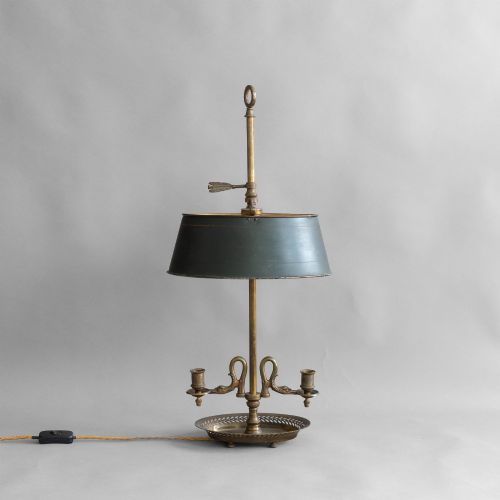
The domestic forms appearing here span desk lamps, table lamps, floor lamps, and standard lamps, alongside earlier candlestick conversions. Examples include specialised industrial pieces like searchlights and banking lamps alongside decorative French toleware and bouillotte designs. The materials shift from heavy forged iron to polished brass and chrome, reflecting the industrial changes across the Victorian, Edwardian, and Art Deco periods.
How they were made
The construction of these lamps relies heavily on durable metals such as brass, cast iron, wrought iron, steel, and copper, often paired with weighted bases for stability. Blacksmiths and metalworkers utilised forging, casting, and turning techniques to create telescopic stems, screw adjustments, and swivel joints that allowed the height and reach of the beam to change.
Many early designs incorporated secondary materials like painted toleware shades, glass shades, fabric covers, and occasional onyx accents to soften the metalwork. Electrical components were often retrofitted to earlier oil lamps and candlesticks, preserving the mechanical brass or iron frames while updating the illumination method for twentieth-century use.
Adjustable Metal Light Retail Price Guide 2026
Typical asking prices for adjustable metal light among the pieces listed under this phrase on Sellingantiques today, from the lower quarter to the upper quarter. They describe what is for sale here now, not the wider market.
Some nineteenth-century iron candlesticks feature built-in spiral stems that allowed the candle to be wound upwards as it slowly burned away.
What varies in quality
Quality in these adjustable fittings rests on the precision of the mechanical joints and the integrity of the telescopic action. Superior examples feature smooth, deliberate movement in the arms and screws without looseness or binding in the metal components.
The finish of the metal and the presence of maker attribution distinguish exceptional pieces from standard workshop output. Hand-forged wrought iron work with distinct hammer marks or finely turned brass with intact original patination demonstrates greater artisanal skill than mass-produced utilitarian counterparts.
Herbert Terry·Bleriot·W A S Benson·Pirouette·Hawkins
The Adjustable Metal Light Glossary
- Telescopic
- Describing a standard or stem that extends upwards in sections to alter the overall height of the light. This mechanism relies on inner sleeves or thumb screws to hold the elevated position securely.
- Bouillotte lamp
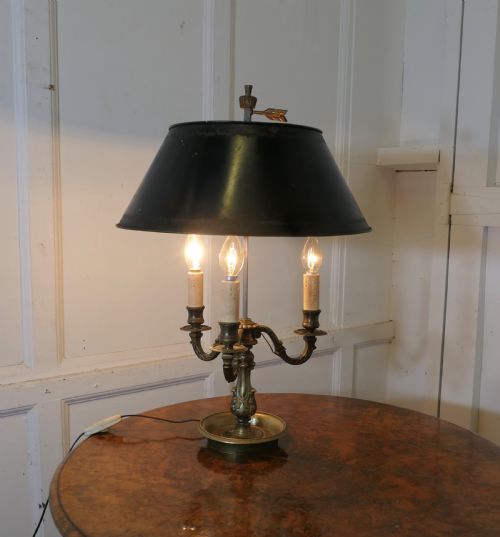
- A traditional multi-armed desk or table lamp featuring a central adjustable metal shade that directs light downwards onto a small dish base. They often combine brass and painted toleware.
- Toleware
- Sheet metal that has been lacquered and hand-painted, frequently used for shades and bases on French and English desk lamps. The finish ranges from solid greens to gilt-accented designs.
- Anglepoise
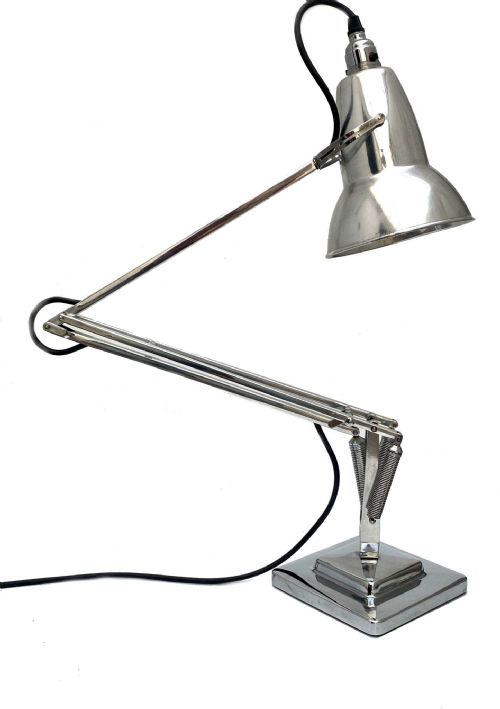
- A spring-balanced articulated desk lamp design that maintains tension to hold the light in any position. This innovative mechanical form became prominent during the Art Deco period.
- Standard lamp
- A tall floor-standing lighting fixture designed to illuminate a room from a fixed upright position. Many period examples incorporate adjustable arms or telescopic mechanisms.
Adjustable Metal Light: Frequently Asked Questions
How do I adjust the height on a telescopic lamp?
Telescopic lamps usually operate by loosening a central thumb screw or collar on the upright stem, allowing the upper section to slide up or down smoothly. Once the desired height is reached, tightening the screw secures the metal shaft in place.
Older wrought iron and brass models may require gentle guidance to prevent the internal metal sleeves from jamming during adjustment. Regular careful handling ensures the historical mechanisms remain functional without placing undue stress on the joints.
Were these lamps originally electrified?
Many examples began as oil lamps, gas fixtures, or candle holders before being converted to electricity during later twentieth-century updates. The conversion process typically involved running wiring through the hollow stems or alongside the original metal frames.
Collectors often find a mix of untouched period fittings and professionally wired pieces. This evolution means the wiring itself is usually modern even when the supporting metalwork dates to the nineteenth century.
How do I clean and polish period brass?
Period brass benefits from gentle dusting with a soft cloth to preserve the natural patination built up over decades of use. Heavy chemical polishes should be avoided because they strip away the historic surface character that collectors value.
If the metal requires more thorough attention, a mild soap solution and careful drying will remove accumulated grime without altering the finish. Wrought iron and steel elements similarly require light cleaning followed by protection against moisture.
Where should I place an adjustable floor lamp?
Adjustable floor standards and heavy wrought iron lights work well beside reading chairs, desks, or in corners where directional lighting is necessary. Their mechanical reach allows the beam to extend over seating without moving the heavy weighted base.
Because these pieces often feature significant height and industrial presence, they anchor large rooms effectively. Pairing them with period wooden furniture or simple decor highlights their utilitarian origins.