


Accent Lounge Chair
An accent lounge chair brings character and relaxed seating to a room, spanning periods from Regency to Art Deco with distinct forms.
Accent Lounge Chair
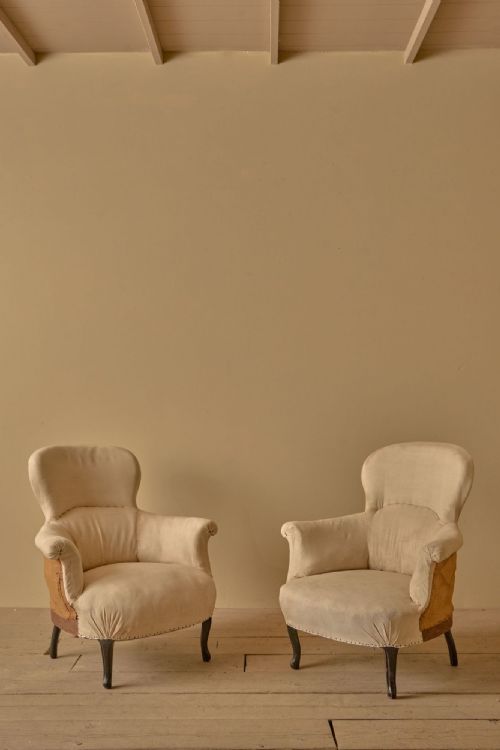
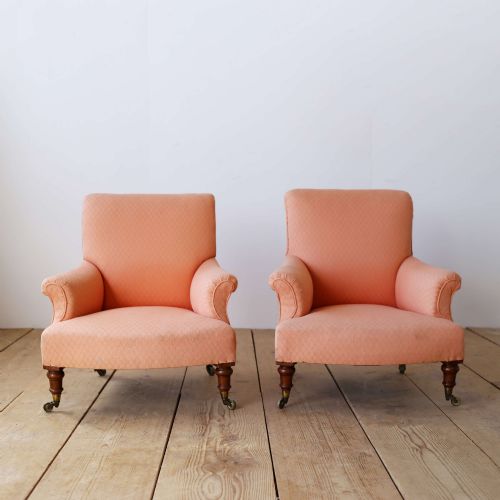
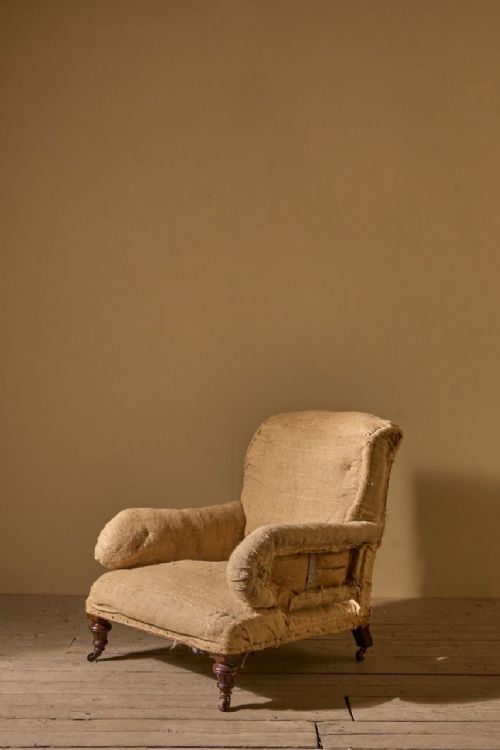
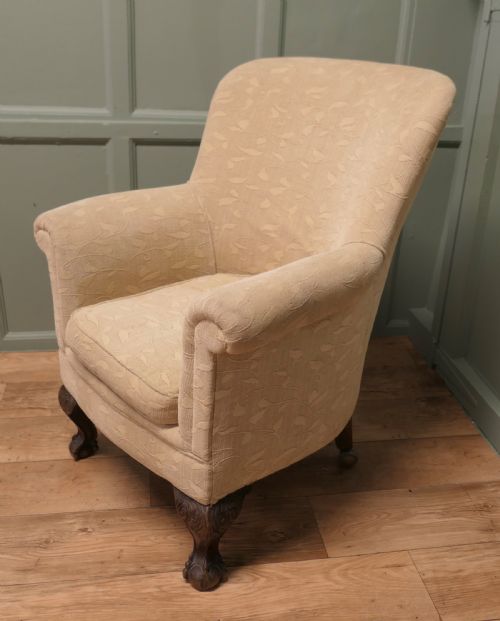
When you search for an accent lounge chair, you encounter a wide selection of armchairs, slipper chairs, and nursing chairs originating from diverse eras. The listings present pieces spanning the nineteenth century, the Edwardian period, and the nineteen-thirties.
Quality and craftsmanship
The distinction between standard examples and finer pieces rests upon the integrity of the timber frame and the precision of the carving. Superior items retain their original gilded surfaces, hand-carved mounts, and structural rigidity.
Upholstery execution and the selection of covering materials also dictate standard, where period-appropriate leather, gilt bronze mounts, or bespoke textile choices elevate the piece.
Some chairs crossed from palace rooms to modern lounges without losing their royal posture.
Jacob Desmalter·Howard and Sons·Hille·Hampton and Sons
The Accent Lounge Chair Glossary
- Bergère
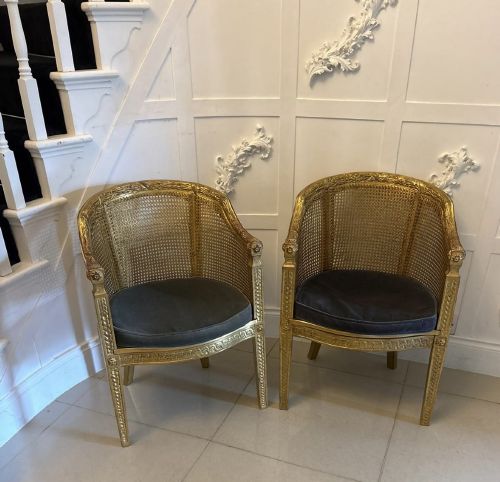
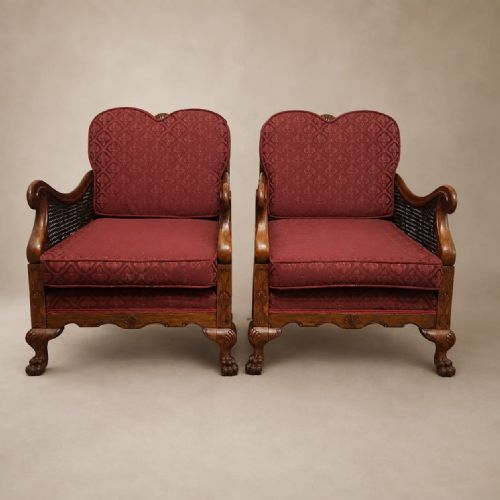
- An enclosed upholstered armchair with wooden framing, often featuring cane panels on the sides and back. This French form dates back to the eighteenth century but appears in later nineteenth and twentieth-century interpretations.
- Giltwood
- Timber treated with a thin layer of gold leaf applied to the surface. It is frequently seen on decorative nineteenth-century French seating.
- Slipper chair
- A low-seated upholstered chair originally designed for bedrooms to assist with dressing. They typically feature short legs and a supportive back.
- Library armchair
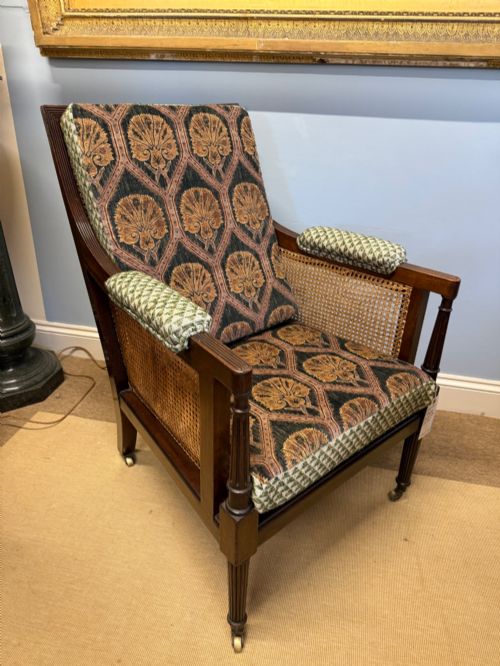
- A sturdy, comfortable seating form designed for reading rooms, frequently rendered in mahogany or rosewood with padded armrests.
Accent Lounge Chair: Frequently Asked Questions
What is an accent lounge chair?
An accent lounge chair is a comfortable seating piece designed to complement a room's primary scheme while offering a designated spot for relaxation. These chairs encompass various historical styles, ranging from nineteenth-century library seats to nineteen-thirties club chairs.
Buyers select them to introduce texture, period charm, and functional seating into living spaces, bedrooms, or studies.
How do I identify a Victorian armchair?
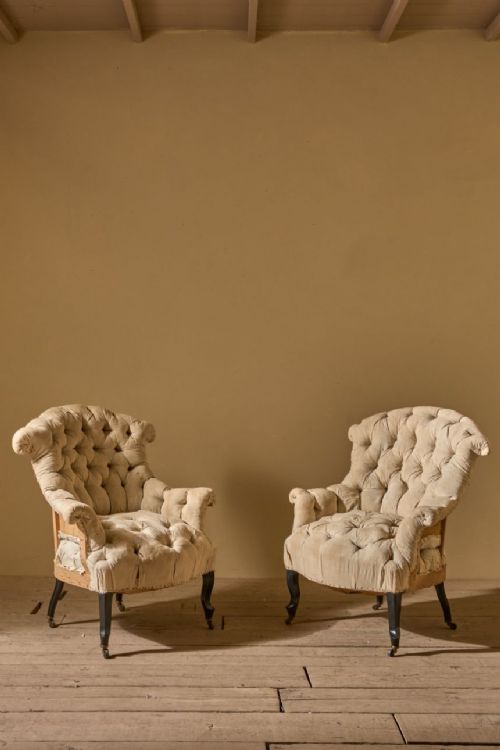
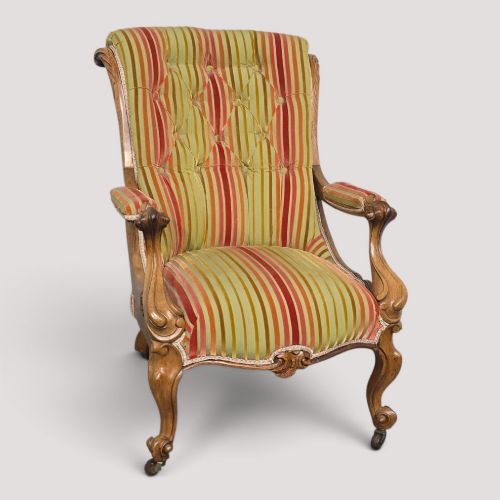
Victorian armchairs are typically characterised by heavier timber frames in walnut or mahogany, substantial upholstery, and details like button-backing or velvet covers. They often reflect revival styles influenced by earlier historical periods.
Examining the construction methods and the wear on the wood helps confirm the nineteenth-century origin.
Where were bergere chairs used?
Bergère chairs originated as comfortable parlour and salon seating in French domestic interiors, prized for their enclosed upholstered sides and padded seats. Over time, their refined appearance led to their adoption in drawing rooms across Britain and Europe.
They function well as reading chairs or decorative pieces in formal reception rooms.
How do Art Deco lounge chairs differ?
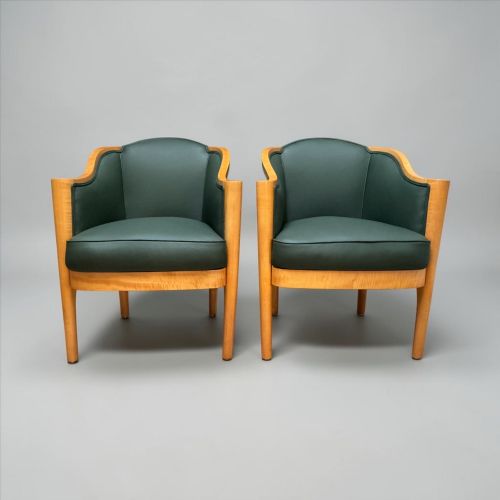
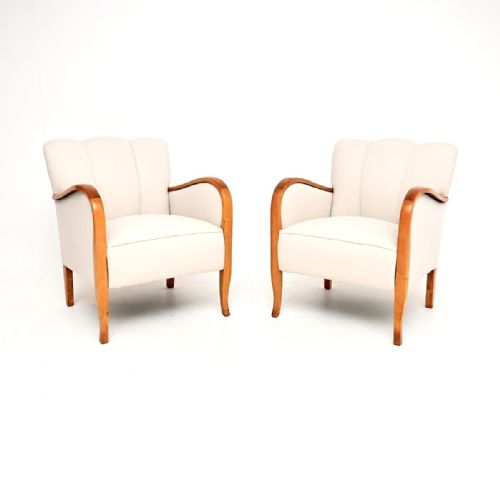
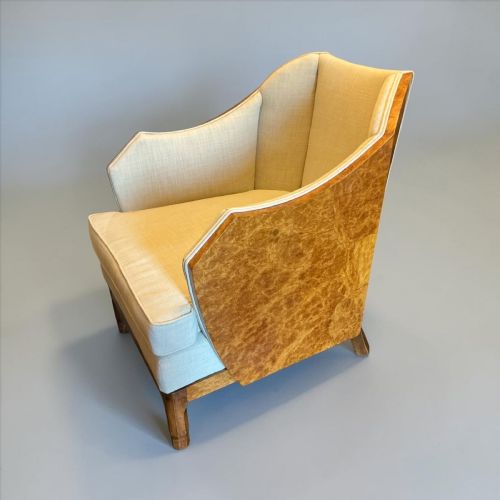
Art Deco lounge chairs from the nineteen-thirties favour streamlined silhouettes, geometric forms, and modern materials like calf suede, satin birch, or tubular steel. They move away from heavy historical ornamentation in favour of sleek lines.
These pieces suit contemporary interiors just as well as period Art Deco room settings.