


Academic Portrait Artwork
Academic portrait artwork represents rigorous studio tradition, capturing likeness and character through disciplined Victorian and continental technique.
Academic Portrait Artwork
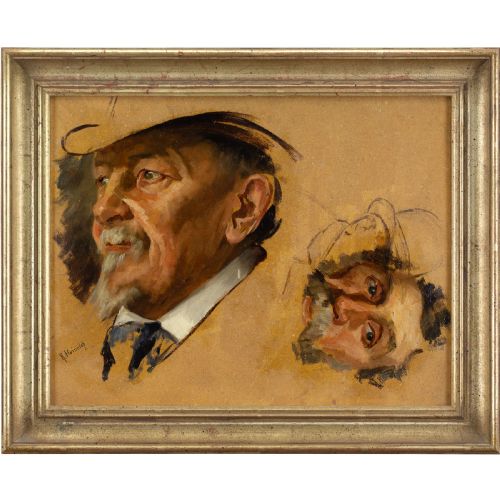
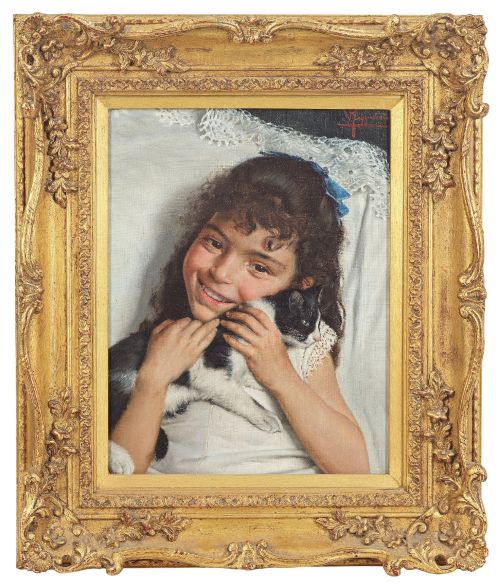
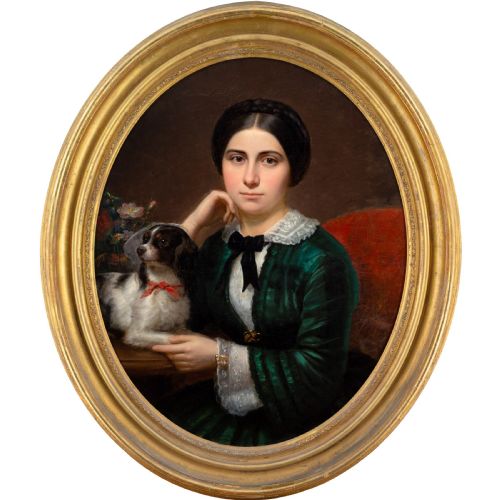
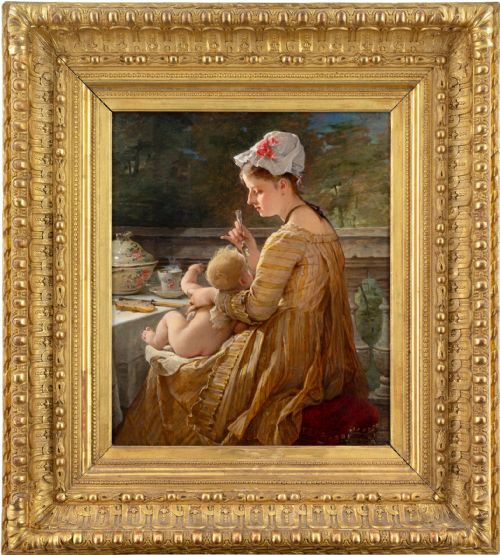
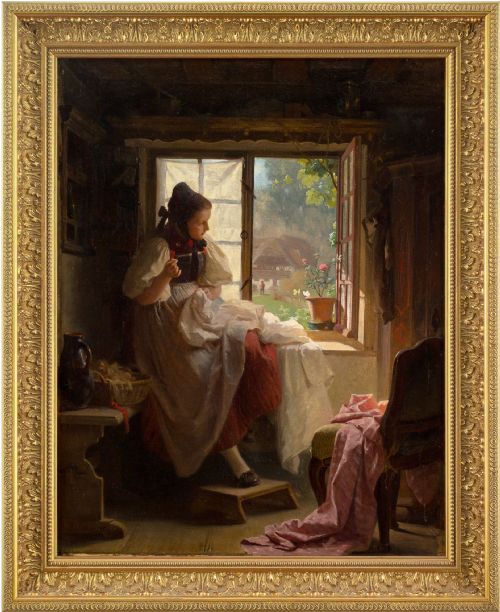
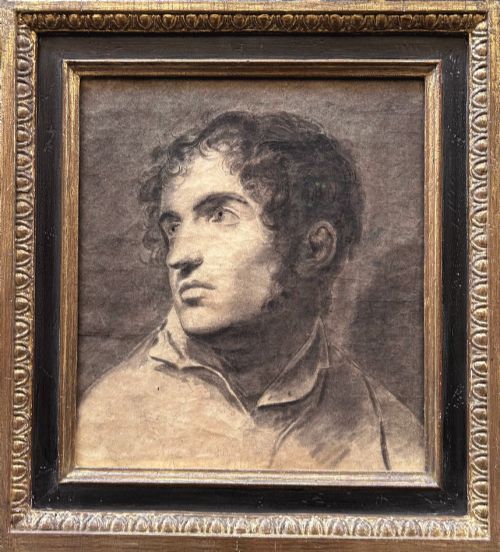
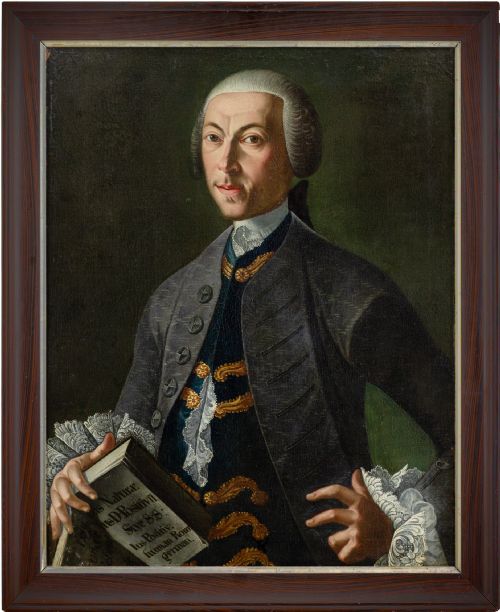
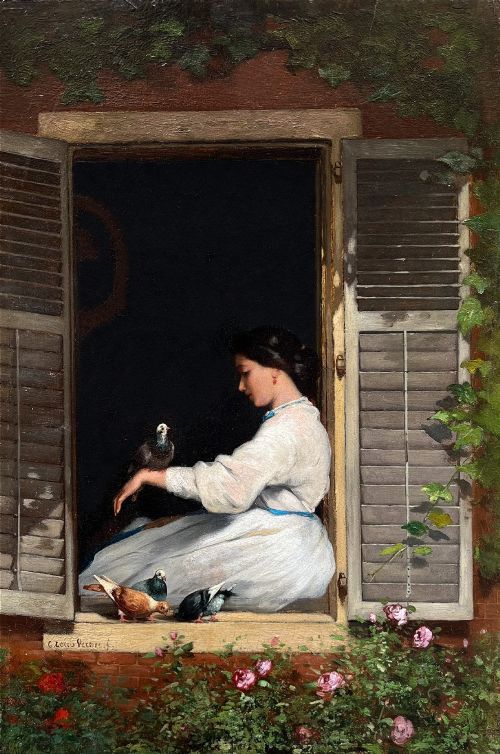
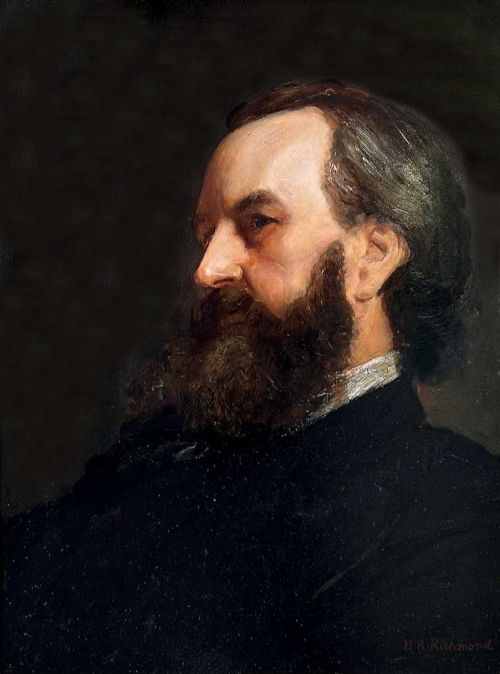
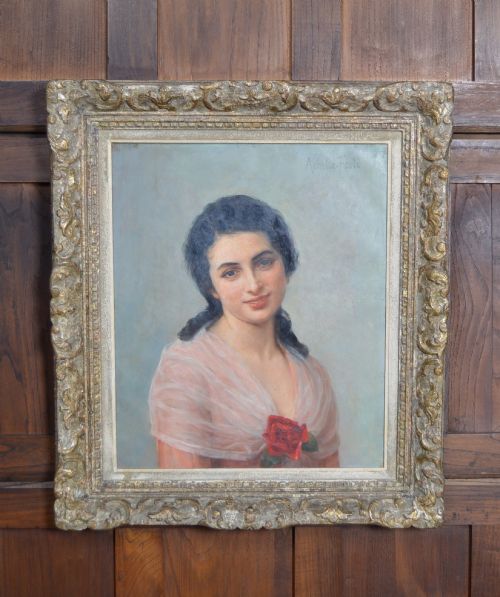
Academic portrait artwork encompasses formal oil paintings, panel works, and detailed drawings originating primarily from the nineteenth and early twentieth centuries. These pieces reflect rigorous training in European academies, emphasising precise anatomical drawing and controlled lighting.
Buyers encountering this category will find examples ranging from intimate portrait studies to large historical compositions and life drawings. The selection frequently includes works by continental schools and Royal Academy figures, spanning Victorian and Edwardian periods.
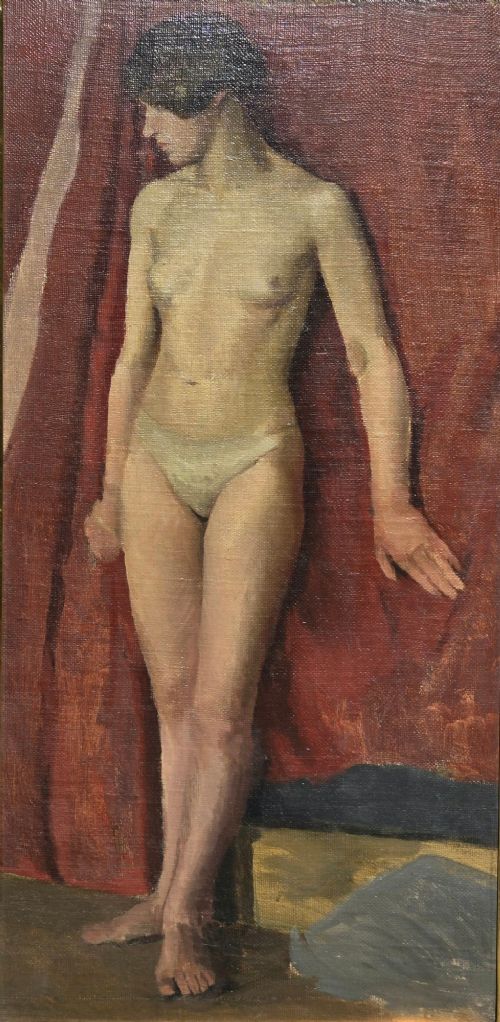
Subjects include identifiable sitters, historical figures, and anonymous models posed as characters or nudes. The prevailing forms rely on traditional studio settings, rich drapery, and careful tonal gradation.
Materials and Technique
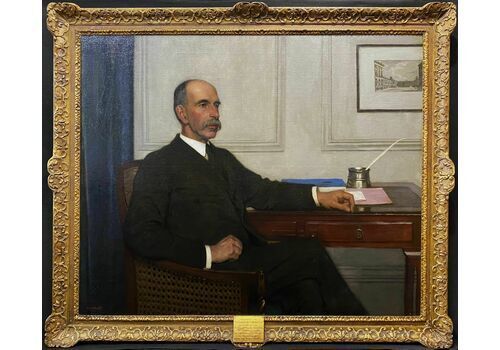
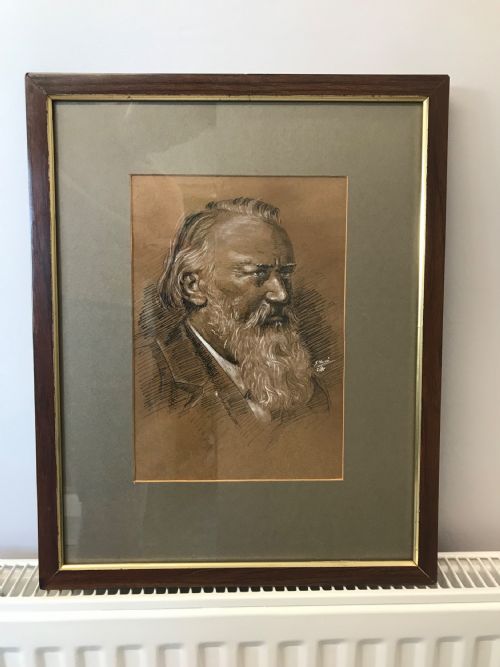
The foundation of these works rests on oil paint applied to stretched canvas or wooden panels, supplemented by paper supports for preliminary drawings using pen, ink, wash, and sanguine. Canvases are typically secured within substantial giltwood frames that complement the formal nature of the painting.
Execution followed a strict hierarchy of skill, beginning with meticulous life studies and charcoal sketches before building up oil pigments in layered glazes. Painters manipulated light and shadow to create three-dimensional volume, adhering to the established doctrines of academic realism.
The selection includes academic realism, French school paintings, and post-war studio nude studies.
Qualities That Separate the Best From the Rest
Superior academic portrait artwork demonstrates anatomical precision in the rendering of hands, bone structure, and facial expression. Draftsmanship underpins the finest pieces, where every stroke contributes to the psychological depth of the sitter.
The handling of paint surface and tonal harmony distinguishes masterworks from routine studio output. Brushwork remains controlled yet expressive, avoiding mechanical stiffness while maintaining absolute fidelity to form and light.
Vittorio Reggianini·Adelaïde Salles-Wagner·Max Kaltenmoser·William Blake Richmond·Harold Knight·Augustus John·Allan Douglas Davidson·James Clark
The Academic Portrait Artwork Glossary
- Academic Realism
- A style of painting and sculpture produced under the influence of European academies of art. It combines neoclassical restraint with realistic observation.
- Sanguine
- A type of red chalk used for drawing, popular for preparatory sketches and portraits. It produces warm, earthy tones suitable for flesh rendering.
- Giltwood
- Wood that has been covered with a thin layer of gold leaf. Frames finished in this manner frequently accompany nineteenth-century oil paintings.
- Panel
- A rigid support for painting, usually made of wood. Artists utilised panels for smaller or more detailed cabinet works.
- Wash
- A thin, transparent layer of diluted ink or watercolour applied to paper. It establishes rapid tonal values in preparatory drawings.
Academic Portrait Artwork: Frequently Asked Questions
What defines academic portrait artwork?
These pieces originate from structured training in official art academies, prioritising technical proficiency, historical grounding, and anatomical accuracy. Artists applied established rules of composition and lighting to human subjects.
Such works often depict sitters with formal dignity, mythological context, or as detailed life studies. The emphasis remains on strict draughtsmanship and finished surface polish.
How do I care for an oil painting?
Oil paintings require stable environmental conditions away from direct sunlight and dramatic humidity shifts. Dust accumulation should be managed gently using a soft, dry brush without applying pressure.
Avoid hanging pieces near direct heat sources or damp exterior walls. Professional conservation ensures the canvas and giltwood frame remain structurally sound over time.
Are these works always on canvas?
While stretched canvas serves as the primary support, many pieces utilise wooden panels or paper for drawings. Each substrate reflects the specific intention and scale chosen by the artist.
Drawings employ media such as pencil, ink, wash, and sanguine on paper sheets. Panels provided a rigid surface favoured for smaller, highly detailed compositions.
How are periods identified?
Dating relies on stylistic evidence, costume details, artist signatures, and framing methods typical of specific decades. Nineteenth-century and Victorian pieces often exhibit distinct clothing styles and academic conventions.
Documentation, inscriptions on the reverse, and exhibition labels offer further chronological proof. Comparative study of an artist's known active years confirms the timeline.