












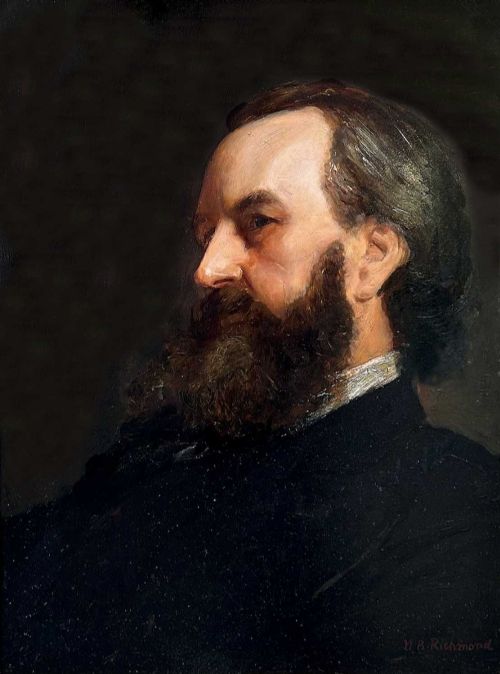
Academic Art
Academic art encompasses disciplined figurative compositions and meticulous life studies produced through rigorous training in historical academies.
Academic Art
Academic art represents rigorous training in composition, anatomy, and historical themes grounded in established European traditions. These pieces reflect rigorous instruction in drawing from the human form and translating classical subjects into finished canvases.
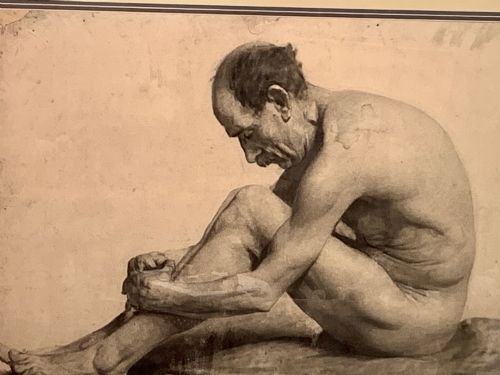
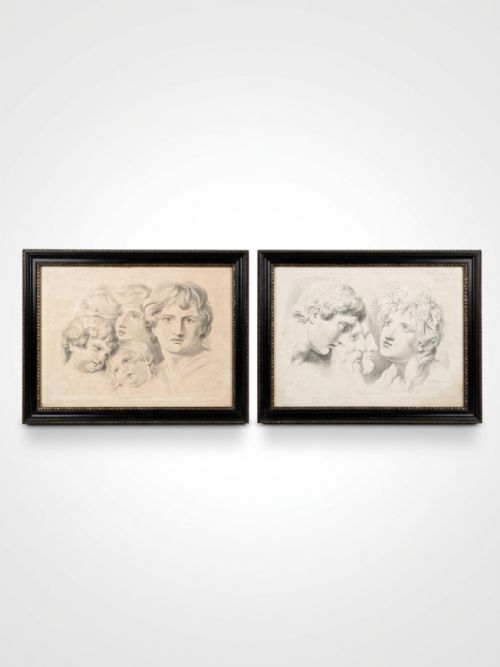
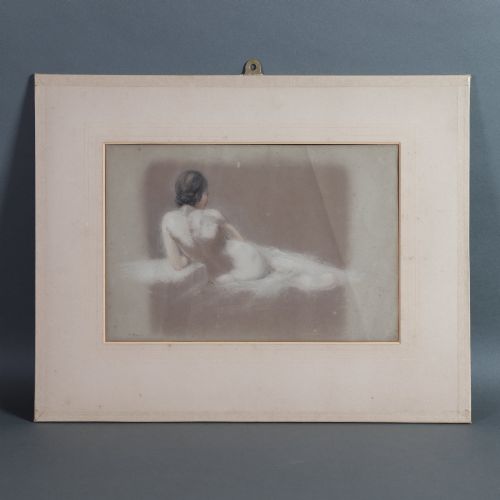
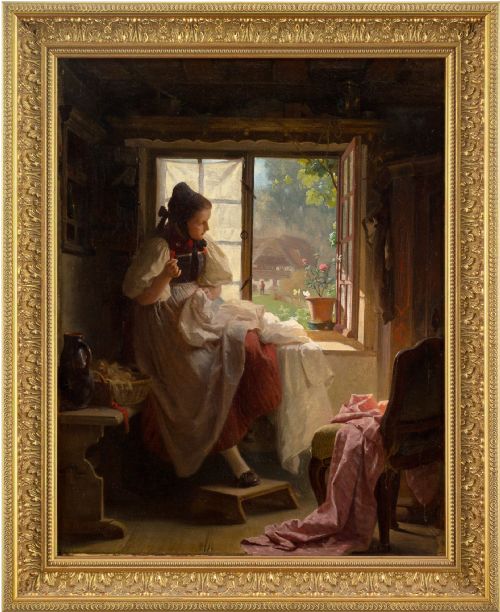
The selections encountered here span detailed charcoal and pencil life studies to large oil paintings executed on canvas. Portraits, genre scenes, and mythological subjects appear frequently alongside plaster casts and framed prints documenting academy submissions.
Origins stretch from the eighteenth century through the Victorian era and into the early twentieth century. French, Italian, and British schools dominate the available inventory, displaying technical precision and structured draughtsmanship.
How They Were Made
Pigments ground in oil were applied to stretched canvas or wooden panels, building rich tones through layered glazes and opaque strokes. Draughtsmen utilised graphite, charcoal, ink wash, and gouache on paper to record tonal gradations across the human physique.
Substrates ranged from sturdy canvas to delicate paper and heavy plaster casts used for dimensional study. Giltwood frames frequently enclose these works, preserving edges and completing the presentation of the finished piece.
Academic Art Retail Price Guide 2026
Typical asking prices for academic art among the pieces listed under this phrase on Sellingantiques today, from the lower quarter to the upper quarter. They describe what is for sale here now, not the wider market.
Among the earnest anatomical studies, a stray feline companion occasionally breaches the rigorous academic quiet to sit beside a subject.
What Varies in Quality
Anatomical precision and the handling of light separate skilled academic works from rigid academic exercises. Mastery of musculature, expression, and drapery reveals the depth of the artist's studio training.
The integrity of the underlying support and the preservation of the pigment layer influence the visual impact of each piece. Finer examples maintain their original framing and retain subtle tonal transitions without heavy restoration.
Carlo Ferranti·Ernst Stierhof·Dumini Leopoldo·William Etty·Vittorio Reggianini·Adelaïde Salles-Wagner·Max Kaltenmoser·Harold Knight·Johannes Brahms·Achille-Fould·Alfred Arthur Brunel de Neuville·Johann Hamza·Augustus John·Julien Lorieux·Benjamin Eugene Fichel·Henry Arthur Roberts·Charles Zacharie Landelle·André Charles Voillemot·Ferdinand Victor Leon Roybet·Alexandre-Louis Martin
The Academic Art Glossary
- Academic Realism
- A style of painting and sculpture produced under the influence of European academies of art. This approach prioritises polished surfaces, balanced composition, and traditional subject matter.
- Grand Tour
- A traditional trip of Europe undertaken by upper-class European young men of means. Etchings and drawings often served as souvenirs of these cultural journeys.
- En Grisaille
- Painting executed entirely in shades of grey or neutral greyish monochrome. This technique often served as a preliminary study or decorative underpainting.
- Life Study
- A drawing or painting of the human figure from a live model. These exercises formed the cornerstone of rigorous academic instruction.
- Neoclassical
- A Western cultural movement drawing inspiration from the art and culture of classical antiquity. Works in this style emphasise severe lines and heroic historical themes.
Academic Art: Frequently Asked Questions
What defines academic art?
Academic art follows strict rules taught in official art academies, focusing on classical history, mythology, and anatomical accuracy.
These works demonstrate mastery of drawing the human form through disciplined study from live models.
How were academic life studies used?
Students and masters produced life studies to understand musculature, posture, and lighting before executing large historical compositions.
Such drawings served as foundational exercises in European art schools and academies.
Where should I hang these paintings?
These framed canvases and drawings suit studies, libraries, or drawing rooms with traditional architectural details.
Ensure placement avoids direct sunlight to protect delicate pigments on paper and canvas.
How do I distinguish nineteenth-century academic works?
Look for signature polish, narrative clarity, and detailed draughtsmanship typical of academy exhibitions from the period.
Subject matter often includes historical militia, mythological figures, and meticulously rendered portraits.