



Abstract Paper Artwork
Abstract paper artwork delivers striking mid-century visual impact through expressive mediums on paper.
Abstract Paper Artwork
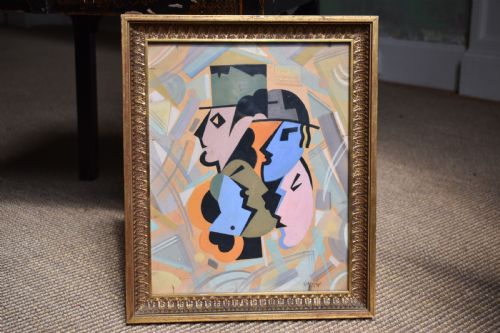
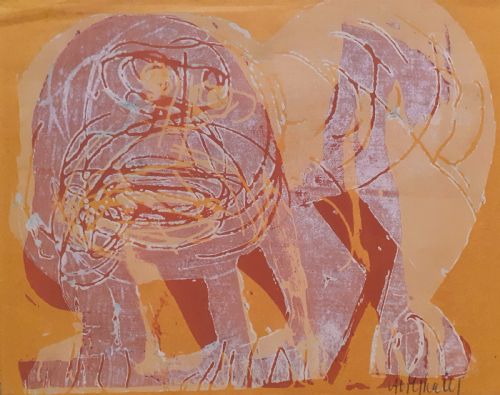
When you search for abstract paper artwork, you are looking at original mid-century creations executed on paper supports, spanning the 1950 and 1960 periods. These pieces include watercolours, gouache paintings, ink drawings, and woodcuts that capture the experimental spirit of twentieth-century modernism. You will frequently encounter mid-century modern and abstract expressionist styles on this page.
The subjects range from cubist landscapes and figurative portraits to dynamic botanical or animal themes and pure abstraction. Creators utilised paper as a primary medium for spontaneous expression, often framing the works in wood and glass for preservation. Each piece reflects the distinct aesthetic movements of post-war Britain, France, and Germany.
How they were made
Artists applied watercolours, gouache, ink, and gesso directly onto paper supports, relying on quick-drying properties to capture immediate gestures. These liquid and pigment applications produce varied textures, from flat washes to thick, opaque gouache layers. Printmakers also utilised woodcut techniques to press colourful modernist designs onto paper.
Completed paper artworks were protected behind glass within wood or metal frames to safeguard the fragile surfaces from environmental damage. This framing method preserves the delicate ink lines and vibrant gouache pigments characteristic of 1950 and 1960 modernism.
Materials commonly recorded across these modernist artworks include paper, glass, wood, gesso, and metal frames.
What varies in quality
Quality rests primarily on the strength of the composition and the confidence of the maker's brushwork or ink line. Works that demonstrate a clear command of modernist form, such as cubist landscapes or expressive figurative studies, stand apart from simpler decorative exercises.
The choice of medium and the preservation of the paper support also influence distinction. Pieces retaining vibrant gouache pigments and original framing under glass represent the higher tier of surviving mid-century output.
Derek Latimer Sayer·Adrian Heath·Lester Epstein
The Abstract Paper Artwork Glossary
- Gouache
- An opaque water-based paint that dries to a matte finish and provides dense, vibrant colour saturation. Artists frequently utilised this medium on paper during the mid-century period for bold, saturated compositions.
- Woodcut
- A relief printmaking technique where an image is carved into a wooden block, inked, and transferred to paper. This method produced striking multi-coloured modernist prints.
- Mid-Century Modern
- A design and art movement spanning roughly the mid-twentieth century, characterised by clean lines and abstract forms. Pieces from this era often embrace simplified geometry and expressive mark-making.
- Gesso
- A white paint mixture consisting of a binder mixed with chalk, gypsum, or pigment, used to prepare a surface for painting. It provides a stable ground for works on paper and canvas.
Abstract Paper Artwork: Frequently Asked Questions
How should I hang abstract paper artwork?
Protect these pieces from direct sunlight to prevent the gouache, watercolour, and ink pigments from fading over time. Ensure they remain securely framed behind glass with appropriate matting to keep the paper surface from touching the glazing.
Position them on interior walls where humidity and temperature fluctuations stay minimal. Proper placement preserves the structural integrity of both the paper support and the wood or metal frame.
What defines a mid-century abstract work?
These compositions focus on simplified forms, expressive brushwork, and non-representational or semi-abstract subject matter. Artists working in the 1950 and 1960 periods prioritized emotional intensity and structural rhythm over strict realism.
The use of experimental mediums like gouache and mixed media further characterises this era of modernism. Creators broke away from traditional academic rules to explore raw visual impact.
Are these works original paintings?
Many examples on this page are unique, hand-painted works executed directly in watercolour, gouache, ink, or mixed media on paper. Because each is created by hand rather than mechanically reproduced, no two compositions are identical.
You will also find original print techniques such as woodcuts, which were produced in limited artistic editions. Listings clearly distinguish between hand-painted originals and printed works.
How do I identify a 1950s piece?
Look for stylistic markers associated with post-century modernism, including gestural brushwork, flattened perspective, and muted or vibrant mid-century palettes. Signatures, dates, and stylistic parallels to movements like abstract expressionism often provide reliable chronological clues.
Additionally, framing methods, paper types, and documentation or provenance details help confirm the era of creation. Examining the physical materials offers further insight into the mid-century origin.