




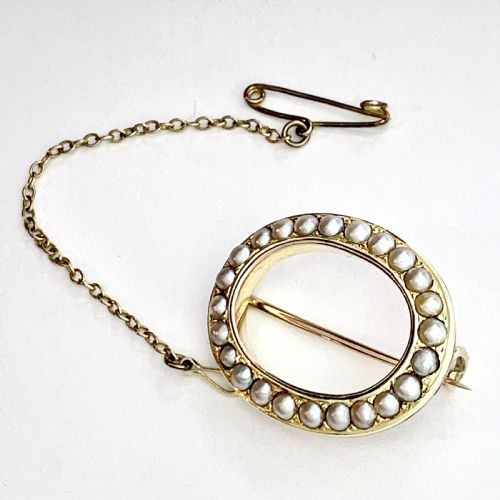

9ct Gold Pearl Pin
A 9ct gold pearl pin brings together the warm tone of nine-carat gold and the soft lustre of pearls in wearable antique forms.
9ct Gold Pearl Pin
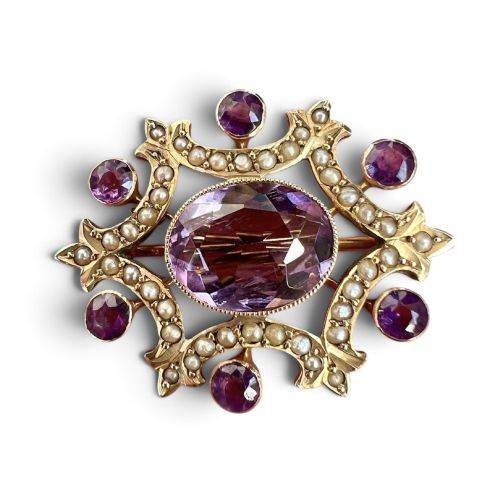
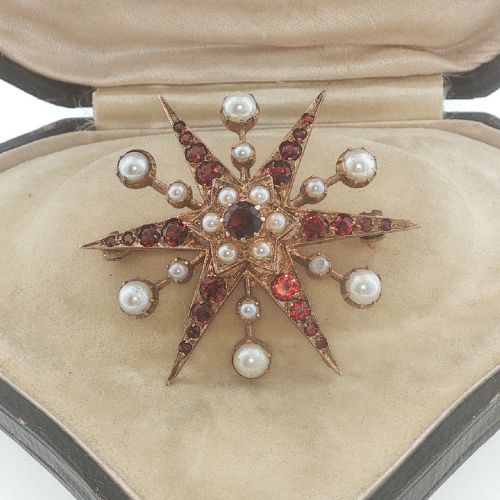
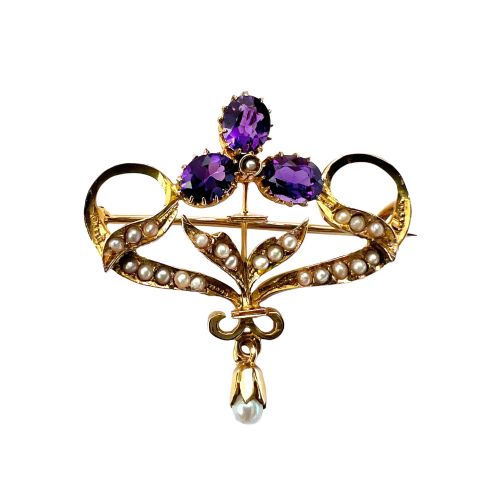
A 9ct gold pearl pin typically takes the form of a brooch, often designed as a delicate cluster, a crescent moon, or a starburst. These pieces serve as decorative fastenings or lapel ornaments that reflect the decorative tastes of the late nineteenth and early twentieth centuries.
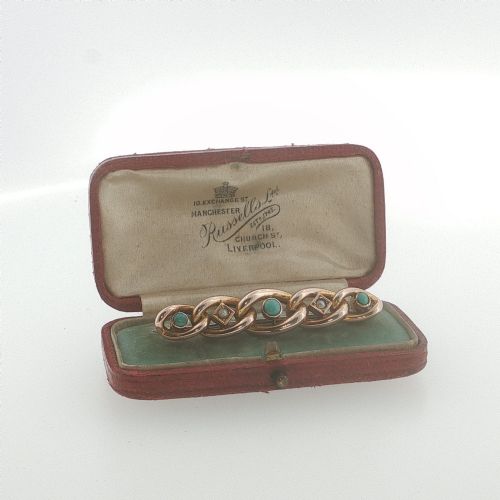
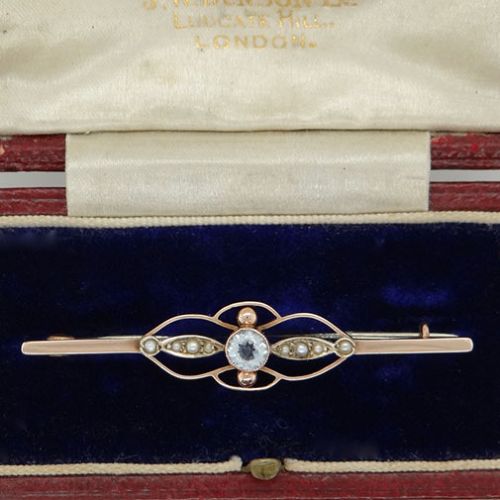
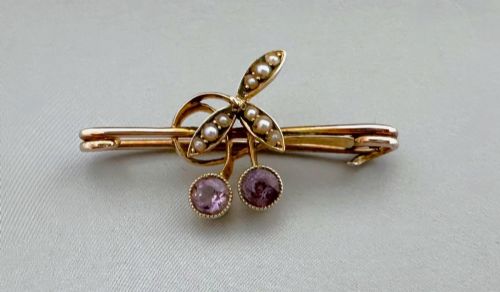
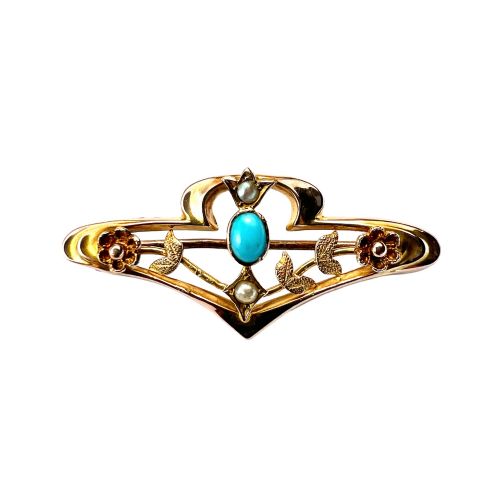
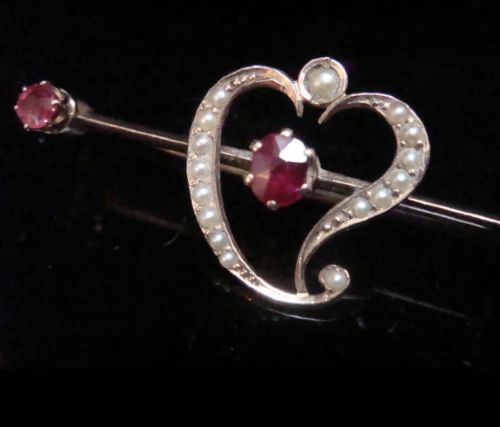
The selection on this page draws heavily from the Victorian and Edwardian periods, alongside mid-century revivals. Buyers will encounter yellow and rose gold settings paired with gemstones such as amethyst, peridot, turquoise, and ruby alongside pearls.
How they were made
Goldsmiths constructed these pins using nine-carat gold, often shaped into warm yellow or rose hues to form the foundational frames and settings. Seed pearls and larger pearls were then meticulously set into floral, geometric, or celestial arrangements.
Many designs incorporate additional coloured stones, including amethysts, peridots, turquoises, and rubies, secured with traditional claw or collet settings that highlight the hand-finished nature of the metalwork.
9ct Gold Pearl Pin Retail Price Guide 2026
Typical asking prices for 9ct gold pearl pin among the pieces listed under this phrase on Sellingantiques today, from the lower quarter to the upper quarter. They describe what is for sale here now, not the wider market.
Victorian makers occasionally hid tiny safety chains on dragonfly brooches so the insect would not fly away from your lapel.
What varies in quality
The standard of a 9ct gold pearl pin depends on the intricacy of the metalwork and the uniformity of the pearls selected for the design. Fine examples demonstrate precise stone setting and balanced proportions across complex motifs like stars, crescents, or target frames.
The integration of secondary gemstones, such as matched amethysts, peridots, or diamonds, alongside well-matched pearls distinguishes standard production from finer goldsmith work of the period.
The 9ct Gold Pearl Pin Glossary
- 9ct Gold
- An alloy containing thirty-seven point five percent pure gold, providing a durable and warm metal standard for antique jewellery. This alloy was widely utilised throughout the Victorian and Edwardian eras.
- Seed Pearl
- A very small, naturally formed or cultured pearl, often unnucleated, used in clusters or pavé settings. These tiny pearls define the delicate surface texture of Edwardian and Victorian ribbon and floral motifs.
- Crescent Brooch
- A piece shaped in the form of a waxing or waning moon, frequently embellished with pearls and gemstones. This celestial motif was exceptionally popular during the late Victorian and Edwardian periods.
- Target Brooch
- A circular brooch design featuring concentric rings of stones or contrasting metals that draw the eye toward a central gem. Amethysts and peridots are frequently found anchoring these symmetrical layouts.
- Suffragette Chain Brooch
- A specific configuration of coloured stones incorporating green, white, and violet elements associated with the early twentieth-century suffrage movement. In this context, peridots, pearls, and amethysts carry specific historical significance.
9ct Gold Pearl Pin: Frequently Asked Questions
How do I wear a antique brooch safely?
Secure the pin through a sturdy weave of fabric, ensuring the clasp mechanism closes firmly before stepping out.
Adding a removable safety chain provides an extra layer of security when fastening the piece to a lapel or heavier garment.
Can these brooches be worn as pendants?
Certain examples are constructed with integrated loops or drop fixtures that allow the piece to double as a pendant on a chain.
Examining the reverse reveals whether a hinged bail or loop has been incorporated into the original goldsmith work.
What is the difference between Victorian and Edwardian styles?
Victorian pieces tend to display robust gold settings and rich, saturated gemstone combinations like amethyst and garnet.
Edwardian designs shift towards lighter frameworks, often favouring platinum or yellow gold paired with seed pearls, aquamarines, and delicate openwork.
How should I clean my gold and pearl jewellery?
Wipe the gold and pearls gently with a soft, damp cloth after wearing to remove natural oils and cosmetic residues.
Avoid submerging pearl jewellery in liquid cleaners or ultrasonic baths, as moisture can weaken the traditional adhesive or silk thread.