




9ct Gold Fine Jewellery
These pieces of 9ct gold fine jewellery span centuries of goldsmithing, offering enduring appeal through varied gemstones and precious metals.
9ct Gold Fine Jewellery
When you search for 9ct gold fine jewellery, you encounter a diverse range of items including rings, bracelets, brooches, necklaces, and earrings. These span multiple periods such as Victorian, Edwardian, and mid-century modern eras.
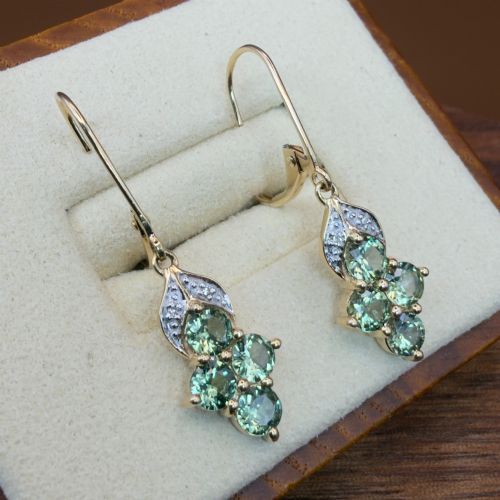
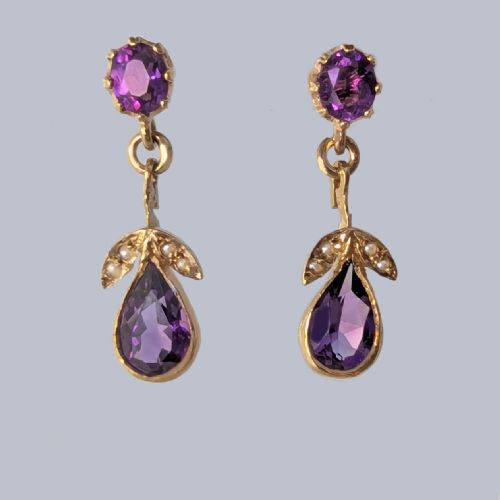
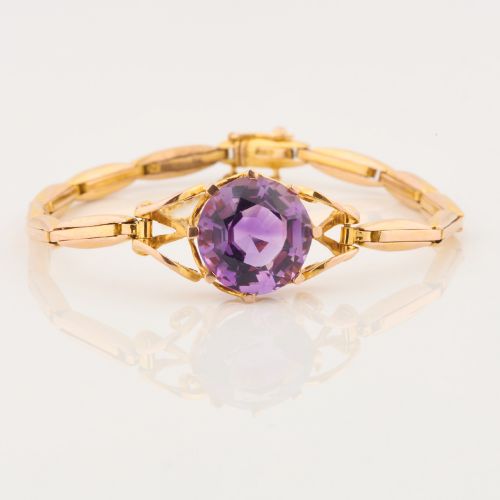
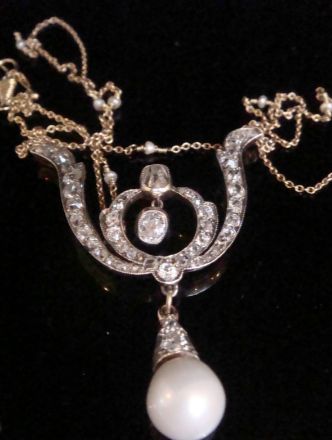
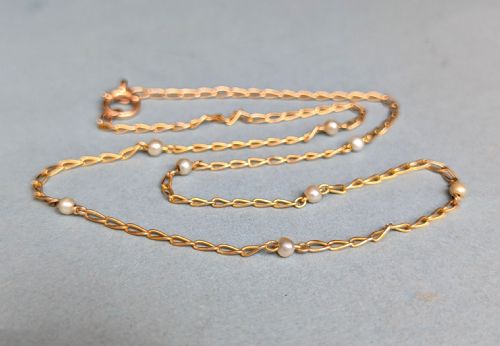
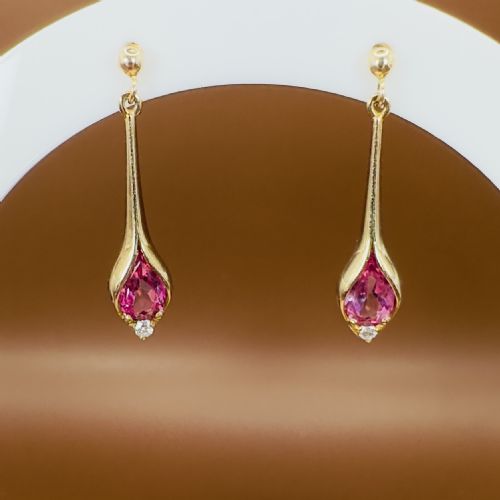
The most common forms on this page involve earrings and necklaces, often set with stones like amethyst, diamond, sapphire, and pearl. Items appear in yellow, white, and rose variants of 9ct gold.
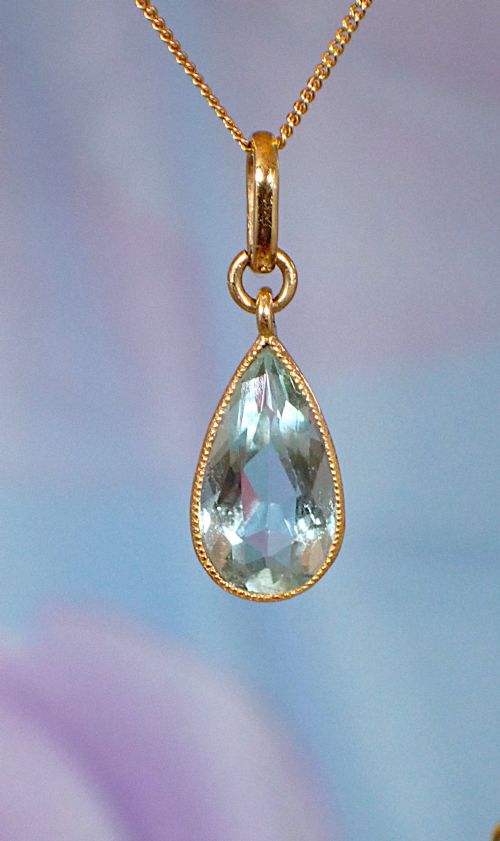
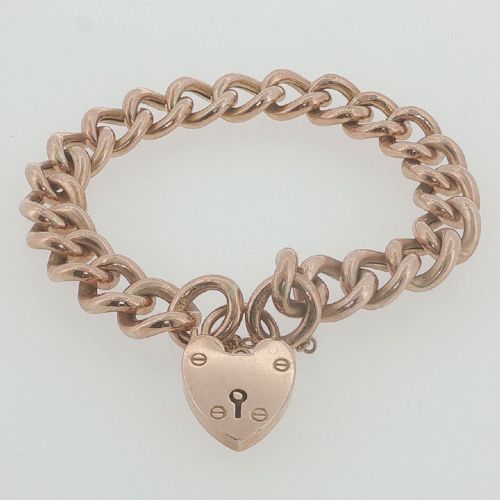
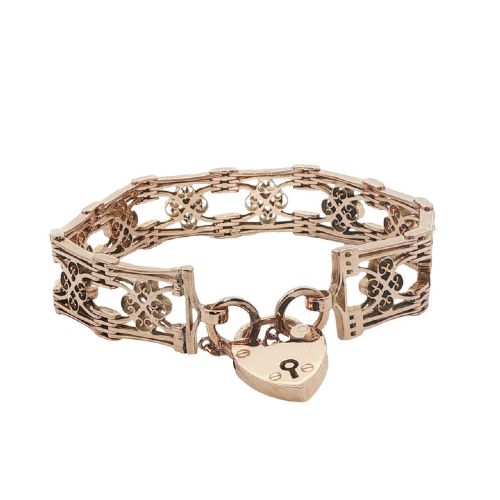
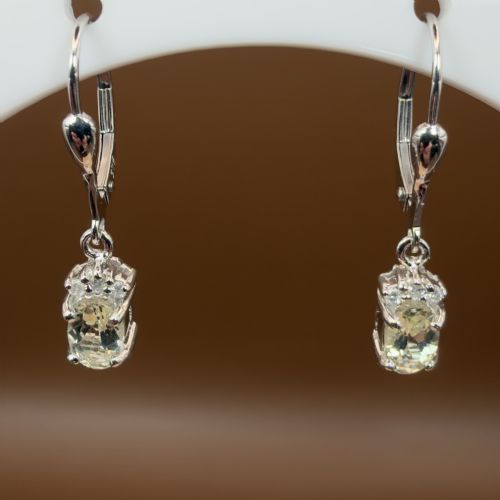
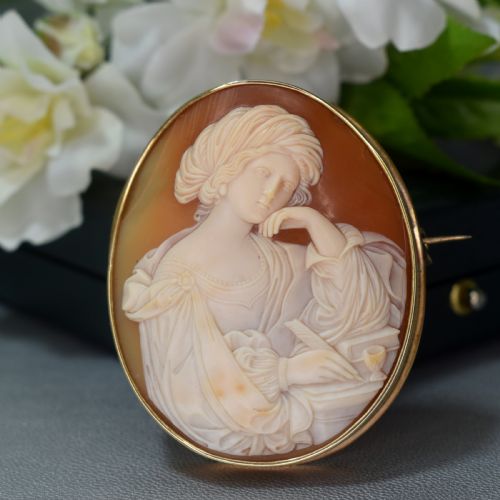
Pieces range from antique gate bracelets with heart padlocks to mid-century diamond cluster hinge-back earrings and Victorian shell cameo brooches. Each item reflects the design priorities of its specific decade of production.
How They Were Made
Goldsmiths utilised 9ct gold in yellow, white, and rose hues, shaping the metal into curb links, rope twists, and intricate filigree settings. Stones were secured via claw settings, bezels, and flush mountings.
Gemstones including diamonds, aquamarines, amethysts, and pearls were incorporated alongside organic materials like shell cameos and coral. Silver and platinum occasionally appeared alongside the gold in specific antique pieces.
Among the brooch selections, a vintage garnet and yellow gold poodle demonstrates mid-century whimsy.
What Varies in Quality
The standard of execution depends upon the precision of stone cutting, the security of settings, and the delicacy of metalwork such as filigree or twisted rope chains. Hand-carved shell cameos and matched natural pearls represent higher levels of artisan skill.
Age and provenance also influence the character of an item, with period-specific hallmarks providing clear evidence of origin and date of creation.
The 9ct Gold Fine Jewellery Glossary
- 9ct Gold
- An alloy containing thirty-seven point five percent pure gold, balanced with other metals to increase durability for daily wear. This alloy appears in yellow, white, and rose colour variations.
- Cluster
- A grouping of multiple gemstones arranged closely together around a central stone or in a geometric pattern. This setting maximises visual impact and light reflection.
- Hinge Back
- A type of earring closure featuring a hinged wire that clicks securely into place behind the earlobe. It provides reliable fastening for drop and cluster earrings.
- Cameo
- A relief carving executed on shell or banded agate, frequently depicting classical figures or portraits. Victorian artisans set these carvings into 9ct gold frames.
- Padlock
- A clasp shaped like a miniature padlock, commonly utilised on Victorian and Edwardian bracelets. These functional closures often doubled as decorative centrepieces.
9ct Gold Fine Jewellery: Frequently Asked Questions
What periods do these pieces represent?
The selection includes items originating from the Victorian, Edwardian, and mid-twentieth-century eras. Each period brings distinct stylistic tendencies, from classical shell cameos to modernist cluster designs.
Specific hallmarks and construction methods help identify the era in which a particular necklace, ring, or pair of earrings was created.
How should I care for 9ct gold jewellery?
Maintain 9ct gold items by cleaning them gently with a soft cloth and warm soapy water, avoiding harsh chemicals that might harm softer stones like pearls or opals.
Store pieces individually in soft pouches to prevent scratching between harder gemstones like diamonds and softer organic materials.
What gemstones are commonly found here?
Frequent stones include diamonds, amethysts, sapphires, garnets, aquamarines, and topazes. Organic elements such as pearls, coral, and shell cameos also appear regularly.
These materials are set within yellow, white, or rose 9ct gold across various earrings, pendants, and rings.
Are these items hallmarked?
Many items feature official hallmarks indicating the metal standard and assay office, such as Sheffield stamps on mid-century pieces. These marks offer verifiable proof of origin and material composition.
Older antique items may display simpler maker marks or wear from age, reflecting their historical journey.