

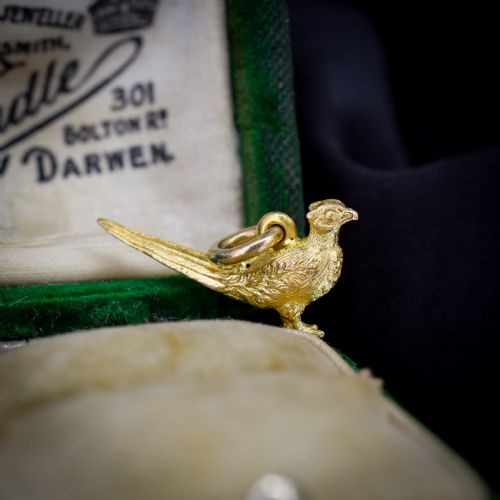


9ct Gold Animal Charm
These 9ct gold animal charm pieces are miniature sculptures in precious metal, offering collectors whimsical charm and enduring portable character.
9ct Gold Animal Charm
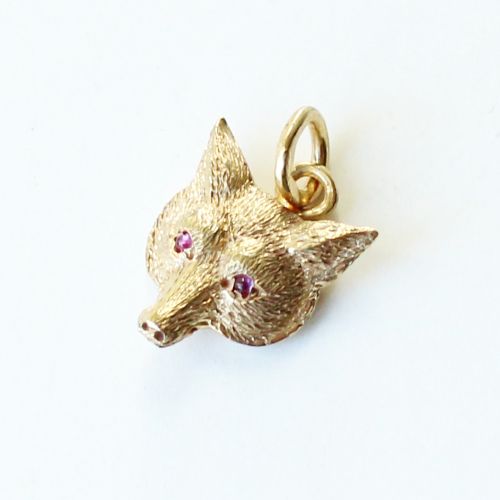
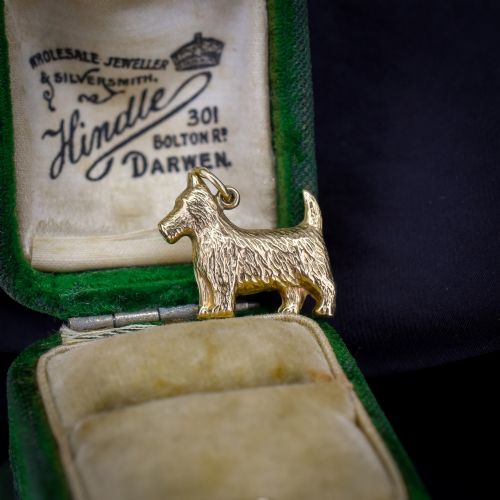
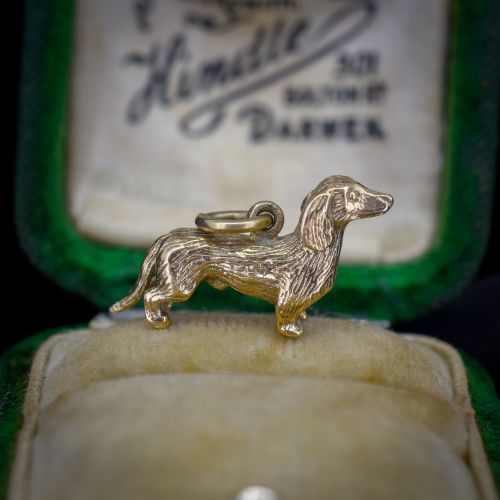
The pieces available here primarily span the Edwardian era and the mid-twentieth century. You will find domestic dogs like spaniels alongside exotic elephants, bears, lions, and birds such as swans and pheasants.
Many examples function as both charms and pendants, reflecting their versatility in historic jewellery. Forms include standalone animal figures as well as more complex compositions involving enamel or gemstones.
How they were made
The construction of these items relies predominantly on 9ct gold and 9ct yellow gold, shaped into detailed three-dimensional animal forms. Goldsmiths utilised casting and hand-finishing techniques to achieve texture in feathers, fur, and manes.
9ct Gold Animal Charm Retail Price Guide 2026
Typical asking prices for 9ct gold animal charm among the pieces listed under this phrase on Sellingantiques today, from the lower quarter to the upper quarter. They describe what is for sale here now, not the wider market.
Wear a gold pheasant to dinner and let a tiny metal bird keep silent watch over your collarbone.
What varies in quality
Quality in these miniature gold figures rests upon the crispness of the modelling and the precision of the surface detail. Superior examples display lifelike anatomical proportions and carefully engraved textures that define the creature's form rather than relying on plain polished surfaces.
The integration of secondary materials also dictates the standard of a piece. Finer items feature securely flush-set gemstones or finely applied enamel that remains intact within the gold recessed cells, demonstrating superior craftsmanship during their production.
The 9ct Gold Animal Charm Glossary
- 9ct Gold
- An alloy of gold containing 37.5 percent pure gold mixed with other metals for durability. This composition provides the structural strength needed for miniature jewellery worn daily.
- Charm Pendant
- A small decorative ornament fitted with a loop for suspension. It serves equally well dangling from a charm bracelet or hanging from a neck chain.
- Enamel
- A glassy substance fused to the surface of metal through firing. It introduces durable colour and pictorial detail to jewellery designs.
- Cultured Pearl
- A pearl created by the introduction of an irritant into an oyster under human supervision. These organic gems provide lustrous spherical accents in figural jewellery.
9ct Gold Animal Charm: Frequently Asked Questions
How were old animal charms worn?
Historically, these gold miniatures were attached to link bracelets alongside other commemorative or decorative trinkets. Owners often collected them to mark personal interests, hobbies, or significant life events.
Over time, many of these charms migrated to neck chains to be worn as pendants. This dual functionality explains why so many surviving pieces retain loops suitable for both bracelet jump rings and pendant Bails.
What animals appear in these charms?
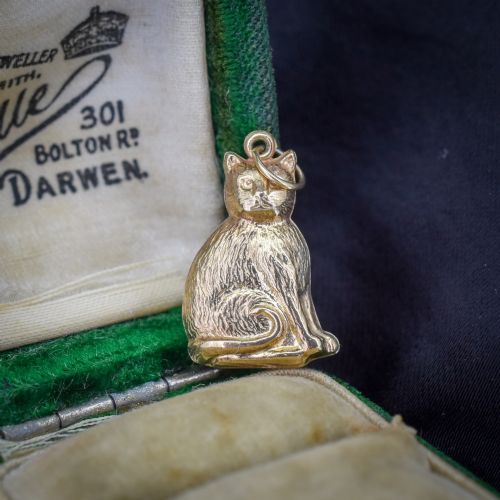
The subject matter covers domestic animals, wild beasts, and birds drawn from nature and traditional pursuits. Spaniels, cats, teddy bears, and rocking horses represent familiar companions and childhood memories.
Wild and game species such as lions, elephants, swans, and pheasants bring a touch of the natural world or field sports into the miniature format. Enamelled hunting scenes further expand the thematic range into narrative jewellery.
How do I date a gold charm?
Dating relies heavily on stylistic conventions, manufacturing techniques, and official hallmarks stamped into the metal. Edwardian pieces often exhibit delicate proportions and specific enamel palettes characteristic of the early twentieth century.
Mid-century examples frequently feature precise engraved dates or stylistic markers tied to the nineteen-sixties. Examining the closure mechanisms and suspension loops also offers clues regarding the period of production.
Are gemstones original to the charms?
Gemstones set into these gold figures, such as ruby eyes or diamond cluster accents, generally reflect the original design intent of the maker. Master jewellers utilised stones to bring life and sparkle to the miniature subjects.
Assessing the security of the settings and the uniformity of the stones helps confirm their period authenticity. Distinctive additions like pearl cat bodies or ruby-eyed swans are typical of mid-century whimsical jewellery design.