


3 Door Wardrobe
When undertaking a search for a 3 door antique wardrobe, you encounter substantial timber storage pieces designed to anchor large bedrooms with period presence.
3 Door Wardrobe
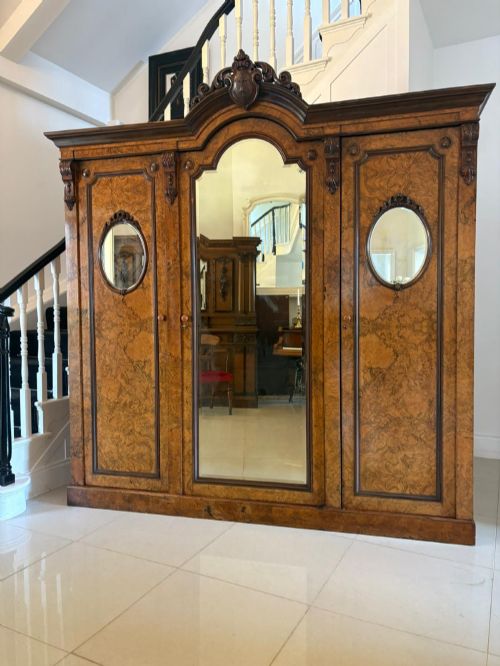
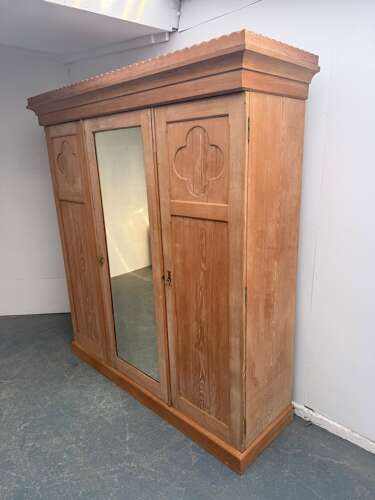
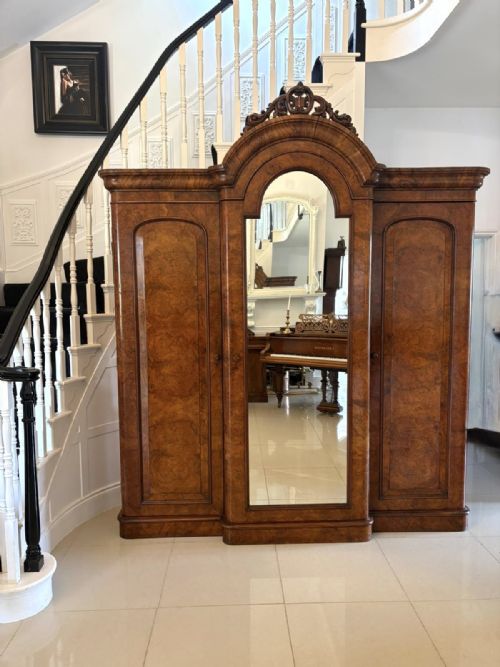
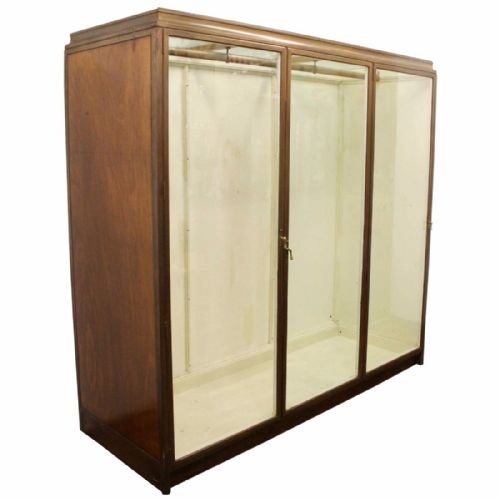
A 3 door antique wardrobe offers substantial hanging space and internal compartmentalisation, frequently configured with a central mirrored or panelled door flanked by two full-length hanging sections. These substantial storage items emerge predominantly from Victorian and Edwardian workshops, alongside occasional later iterations from the 1920s and 1930s.
The architectural layout typically incorporates linen drawers, sliding trays, or compactum shelving behind the central door, while the flanking wings accommodate full-length garments. Surviving examples reflect the domestic scaling of past centuries, often requiring adequate ceiling height and floor space for installation.
While smaller double wardrobes and armoires appear frequently, the triple configuration provides the generous proportions sought for contemporary master bedrooms requiring period authenticity and functional capacity.
Materials and Construction
Cabinet makers relied heavily on dense hardwoods such as mahogany, oak, and walnut, frequently selecting figured veneers and burr walnut for the primary display surfaces. Pine served extensively for regional kitchen cupboards, larder units, and painted knockdown wardrobes intended for domestic service.
Construction methods involved substantial timber frames, dovetailed internal drawer boxes, and panelled doors designed to accommodate seasonal wood movement without warping. Secondary woods like deal or cedar often constitute internal shelving and backboards.
Hardware additions typically feature cast brass handles, escutcheons, and iron locking mechanisms, occasionally complemented by bevelled glass mirror plates set into the primary door panels.
Primary timber varieties recorded across the archive include mahogany, oak, walnut, pine, ash, and satinwood.
Assessing Build and Finish
Superior examples demonstrate careful timber selection, where figured mahogany or burr walnut veneers match symmetrically across the door panels to create cohesive visual patterns. Lesser items rely on plain, unfigured timbers or heavier applied stains that mask the underlying grain structure.
The sophistication of internal fittings distinguishes high-end commission pieces from standard utility furniture. Master cabinet makers integrated dust-lipped drawers, linen slides, and modular shelving alongside robust brass hanging rails.
Structural integrity depends on the original knockdown assembly design, allowing large carcasses to be dismantled for transport. Superior pieces retain tightly fitting joints and original hardware without extensive timber replacement.
The 3 Door Wardrobe Glossary
- Compactum
- A multi-compartment wardrobe incorporating hanging space alongside internal drawers, sliding trays, and shelving units. This design maximises storage efficiency within a single carcass.
- Knockdown wardrobe
- A large piece constructed to be taken apart into manageable sections for transport and reassembly in the bedroom. This method facilitated delivery up narrow staircases in period homes.
- Burr walnut
- Timber harvested from the gnarled growth on walnut trees, prized for its swirling, highly decorative grain pattern. Cabinet makers applied it as a veneer to highlight luxury furniture fronts.
- Scumble
- A translucent paint technique applied over a base coat to imitate the appearance of natural wood grain. It appears frequently on 19th-century pine furniture.
- Gentleman's wardrobe
- A specialised storage unit featuring internal sliding linen trays or shirt drawers alongside narrower hanging compartments. These pieces catered to traditional menswear requirements.
3 Door Wardrobe: Frequently Asked Questions
How do I dismantle a large wardrobe?
Many period triple wardrobes utilise a knockdown construction held together by internal bolts, nuts, or wedge systems rather than permanent glue. Systematic removal of the cornice, plinth, and doors allows the side panels to lift out from the base.
Label each component during disassembly to ensure correct alignment during reassembly in your bedroom.
Will a large wardrobe fit my bedroom?
Triple wardrobes possess significant height, width, and depth dimensions that require careful measurement of both floor space and ceiling clearance. Account for crown mouldings and projecting cornices which extend beyond the main body width.
Check access routes through stairwells and doorways before arranging delivery of these heavy timber carcasses.
How do I care for antique wood?
Maintain timber surfaces by applying traditional beeswax polish sparingly to nourish the grain and preserve the protective finish. Avoid positioning wardrobes near direct heat sources or strong sunlight which causes wood to dry out and veneers to lift.
Dust internal compartments regularly with a dry, soft cloth to prevent moisture accumulation.
What is a compactum wardrobe?
A compactum combines hanging space, drawers, and shelving within a single multi-functional unit designed to organise a complete wardrobe efficiently. The central section typically houses vertical drawers or sliding linen trays.
This form emerged strongly during the Edwardian period and Art Deco era.