





20th Century Writing Cabinet
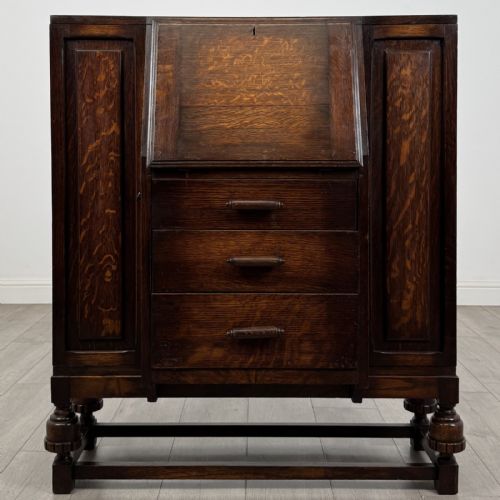
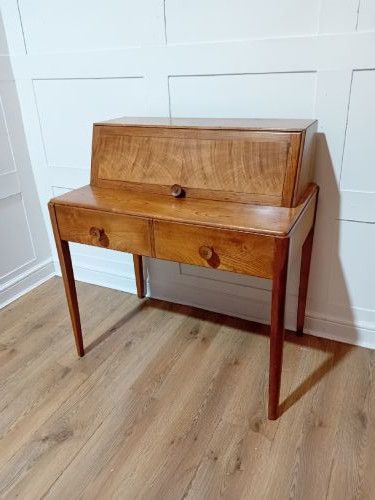
These pieces are a 20th century writing cabinet, offering practical workspaces and fitted storage for the home.
20th Century Writing Cabinet
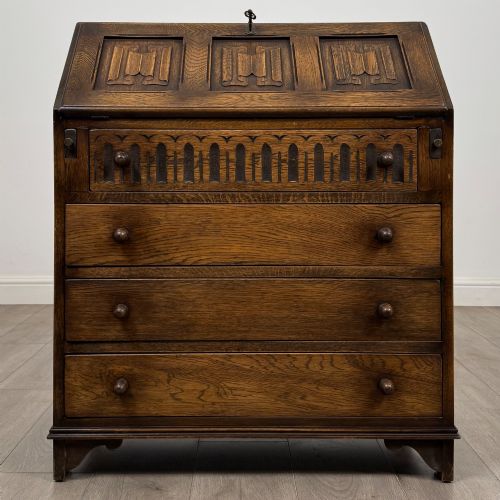
A 20th century writing cabinet encompasses a varied group of functional furniture pieces designed primarily for correspondence and storage. When exploring this category, buyers frequently encounter bureau bookcases, fitted writing desks, and oak bureaux dating from the Edwardian era through to the 1930s.
The selection ranges from compact oak and mahogany writing desks to larger glazed display cabinets and bureau bookcases incorporating Jacobean revival and Arts and Crafts styles. Makers of this period adapted traditional forms like the lowboy and side table to suit contemporary domestic requirements.
Many examples feature specialised internal fittings such as drawers and pigeonholes, alongside decorative elements like linenfold carving and astragal glazed doors. These items reflect both period utility and diverse stylistic revivals spanning the early decades of the twentieth century.
How They Were Made
Cabinet makers utilised a selection of traditional timbers including oak, mahogany, walnut, and yew wood, often pairing them with brass hardware and glass panels. Construction methods combined sturdy timber framing with detailed surface ornamentation such as carving and painted Chinoiserie finishes.
Structural elements frequently incorporated barley twist legs, panelled doors, and fitted interior compartments designed for stationery and documents. Workshops employed distinct regional and stylistic techniques, ranging from the Cotswold School approach to elaborate revival styles.
20th Century Writing Cabinet Retail Price Guide 2026
Typical asking prices for 20th century writing cabinet among the pieces listed under this phrase on Sellingantiques today, from the lower quarter to the upper quarter. They describe what is for sale here now, not the wider market.
Periods represented span from 1910 through the Edwardian era to the 1920s and 1930s.
What Varies in Quality
The standard of a 20th century writing cabinet depends significantly upon the selection of timber and the precision of the cabinetwork. Finer examples display carefully matched wood grains, robust structural joinery, and well-executed decorative carvings like linenfold panels or barley twist turnings.
Detailing in the interior fittings, hardware integration, and overall proportion distinguish superior pieces from simpler utilitarian items. The integration of period-appropriate glass, such as astragal glazing, also influences the character and refinement of the finished cabinet.
ARTHUR BASIL REYNOLDS·J.C VICKERY OF LONDON
The 20th Century Writing Cabinet Glossary
- Bureau
- A writing desk with a sloping hinged lid that covers fitted pigeonholes and small drawers. This form forms a central part of the writing cabinet category.
- Astragal Glazed
- Doors fitted with thin wooden or metal bars that divide the glass into smaller panes. This technique is commonly seen on bookcase top sections.
- Linenfold
- A style of wood carving that imitates folded fabric, frequently seen on panelled cupboard doors and writing flaps. It is characteristic of revivalist cabinetmaking.
- Barley Twist
- A type of turned furniture leg resembling a twisted rope, popular in Jacobean revival designs of the early twentieth century.
- Lowboy
- A small table with drawers, often standing on tall legs, used for writing or occasional storage. Walnut examples appear within early twentieth-century furniture.
20th Century Writing Cabinet: Frequently Asked Questions
What is a 20th century writing cabinet?
A 20th century writing cabinet is a piece of furniture designed for correspondence and storage, typically combining a writing surface with drawers, shelves, or a bookcase. These items span various forms from the Edwardian period through the 1930s.
They reflect diverse design influences, including Arts and Crafts principles and Jacobean or Queen Anne revivals, executed in timbers such as oak, mahogany, and walnut.
How do I identify the period?
Dating these pieces relies on observing characteristic stylistic traits, hardware, and timber choices typical of the early decades of the twentieth century. Edwardian examples often feature lighter woods and specific revival motifs.
Later pieces from the 1920s and 1930s may show distinct craftsmanship associations, such as Cotswold School methods, or more streamlined utilitarian construction.
Where were they used?
These cabinets served primarily in domestic studies, libraries, and living rooms as functional desks and display spaces. They provided dedicated areas for writing letters and storing household accounts.
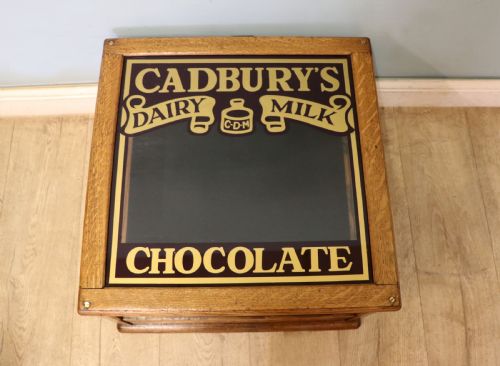
In addition to home use, certain variations functioned in commercial settings, such as countertop display cabinets utilised by retailers for chocolates and goods.
How do I care for the wood?
Maintaining these wooden surfaces involves keeping them away from direct heat sources and strong sunlight to prevent timber warping or fading. Regular dusting with a soft, dry cloth preserves the finish.
Applying appropriate wax polishes occasionally helps nourish timbers like oak, mahogany, and walnut without building up unwanted residues on the antique surfaces.