

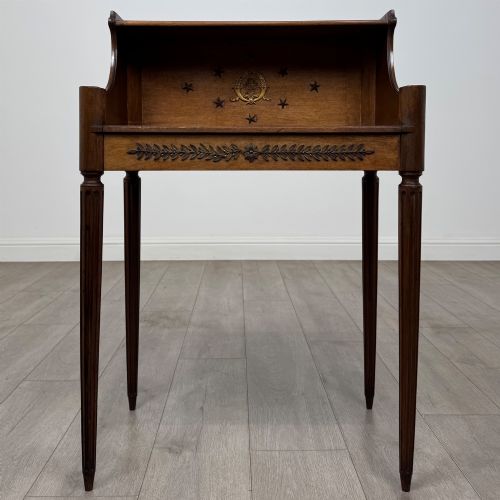
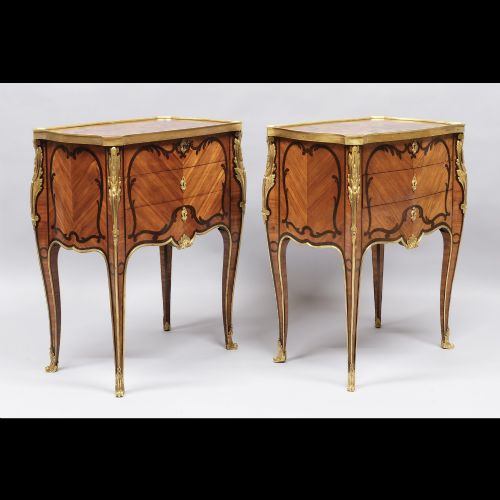


20th Century French Bedside Tables
These 20th century french bedside tables bring Continental elegance to a bedroom, offering practical surface space alongside distinctive regional character.
20th Century French Bedside Tables
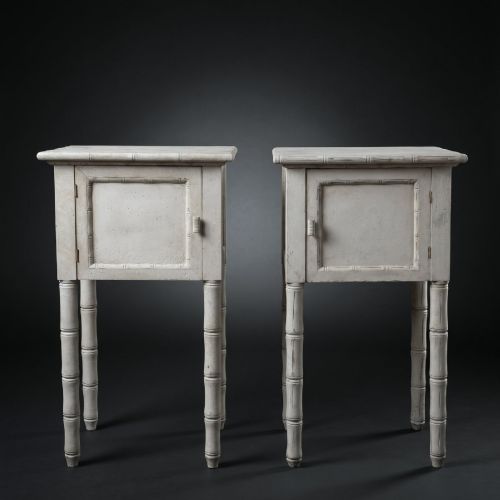
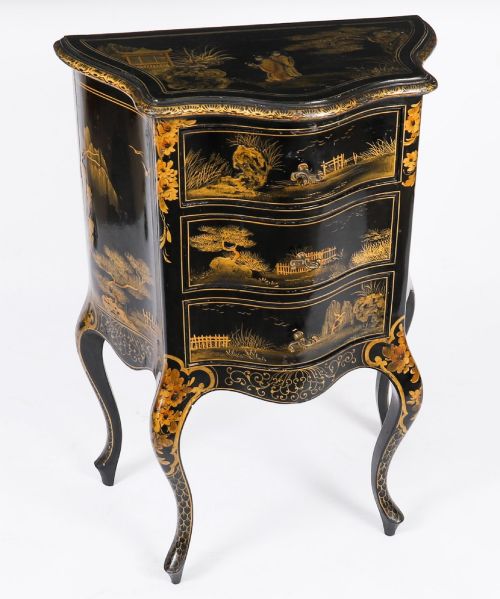
When you search for 20th century french bedside tables, you encounter an array of forms spanning bedside cabinets, night stands, and small chests. The selection draws heavily on traditional revival styles and the cleaner lines of the Art Deco period, capturing the domestic tastes of successive decades across France.
Most examples you meet on this page date from the earlier decades of the century, though later painted pieces also appear. These smaller pieces of furniture served distinct domestic roles beside the bed, often manufactured in pairs to balance a grand bedroom scheme.
The regional origins and stylistic influences range from provincial French country pieces to urban models influenced by Parisian cabinet makers. Buyers select them to introduce functional storage and distinct historical character into contemporary or traditional interiors.
How they were made
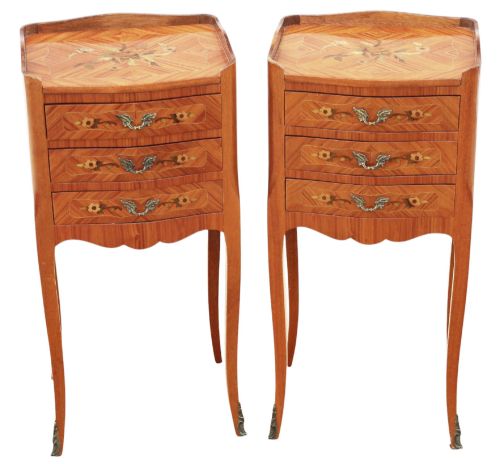
Cabinet makers utilised a variety of timbers including walnut, mahogany, and painted wood, often embellishing the surfaces with intricate marquetry and parquetry patterns. Structural stability relied on traditional joinery techniques suited to small-scale case furniture.
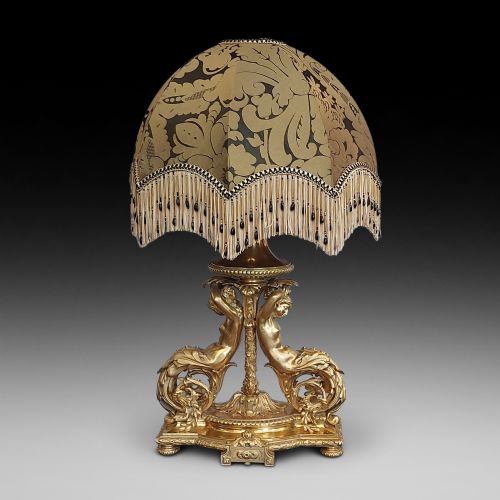
Metal mounts in brass and ormolu frequently accent the woodwork, while polished marble tops provide durable, decorative surfaces on finer models. Glass and fabric elements appear primarily on associated table lamps rather than the tables themselves.
20th Century French Bedside Tables Retail Price Guide 2026
Typical asking prices for 20th century french bedside tables among the pieces listed under this phrase on Sellingantiques today, from the lower quarter to the upper quarter. They describe what is for sale here now, not the wider market.
The furniture styles range from French Provincial and Country to formal French Neoclassical, Art Deco, and Louis XV Revival.
What varies in quality
The standard of timber selection and the precision of inlaid veneers separate simpler provincial pieces from finer cabinet work. Finer examples display meticulous grain matching and crisply executed parquetry or marquetry designs across the drawer fronts and tops.
Quality also shows in the integration of secondary materials, such as the weight and chiselling of ormolu mounts and the thickness of fitted marble tops. Original painted finishes and well-preserved decorative details hold more distinction than later, unsympathetic re-painting.
Sormani
The 20th Century French Bedside Tables Glossary
- Marquetry
- Decorative veneer work forming picture patterns using various woods. Skilled artisans cut thin slices of different timbers to create elaborate pictorial designs on furniture surfaces.
- Parquetry
- Geometric wood inlay forming repetitive patterns such as cubes or chevrons. This technique provides a structured, decorative surface across table tops and cabinet doors.
- Ormolu
- Gilt bronze mounts applied to furniture for decoration. The technique involves treating bronze with a gold amalgam to achieve a rich, metallic lustre.
- Commode
- A low chest of drawers or cabinet. French commodes often feature decorative veneers and curved drawer fronts characteristic of various revival styles.
- Gallery
- A small raised rail around the edge of a table top, frequently made of brass. It prevents items from sliding off the surface.
20th Century French Bedside Tables: Frequently Asked Questions
Are these bedside tables usually sold as pairs?
Many of the bedside tables and cabinets appear in matched pairs, which makes them particularly sought after for balancing either side of a bed.
Single pieces also feature in the selection, offering versatile options for smaller spaces or eclectic bedroom layouts.
What materials should I expect to find?
The pieces utilise a range of woods including walnut, mahogany, and painted surfaces, often complemented by marble tops and brass or ormolu mounts.
Other materials such as glass and onyx appear more frequently in the associated table lamps rather than the furniture.
How do I distinguish between different design periods?
Earlier pieces from the 1900s and 1910s frequently display revival influences like Louis XV or Louis XVI styles, characterised by curved lines or neoclassical symmetry.
By the 1920s and 1930s, Art Deco influences introduce geometric parquetry, streamlined forms, and reduced ornamentation.
How do these tables function in a modern interior?
Their compact dimensions allow them to sit comfortably beside contemporary beds while providing enclosed storage in drawers or cupboards for nighttime essentials.
The decorative wood veneers and marble surfaces add warmth and textural contrast to neutral modern bedrooms.