




20th Century Figure Study
These drawings, paintings and bronzes capture the human form through direct observation, offering an intimate window into past artistic practice.
20th Century Figure Study
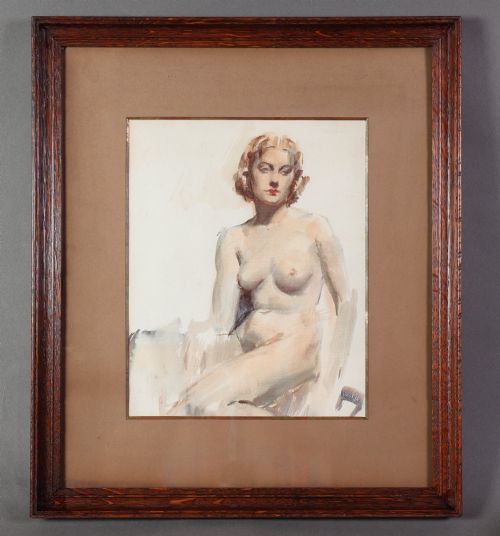
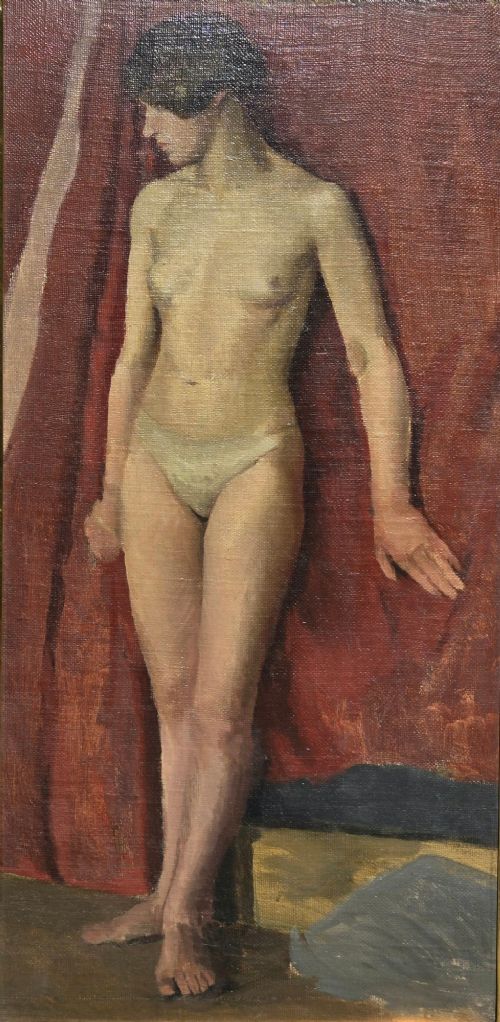
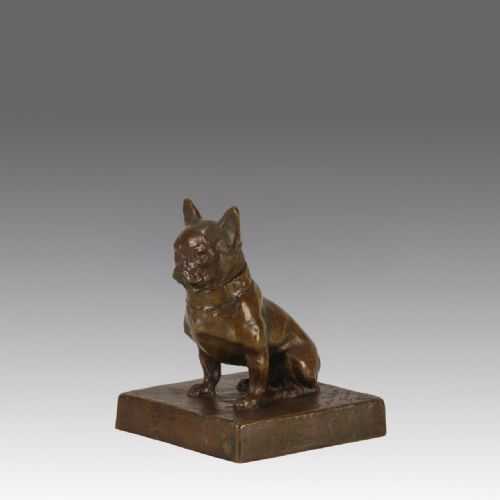
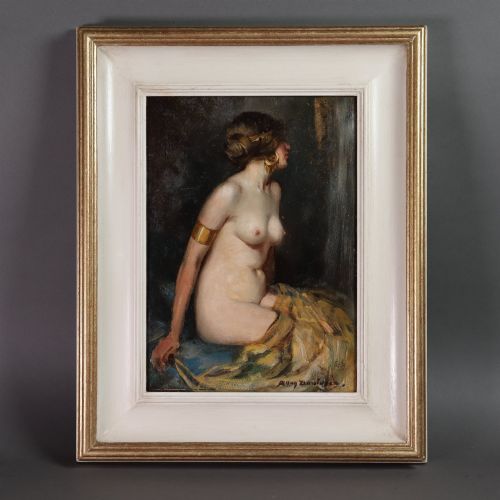
A 20th century figure study represents the human form or animal subject drawn, painted or sculpted directly from life. These works range from rapid preliminary sketches to finished gallery paintings and bronze sculptures.
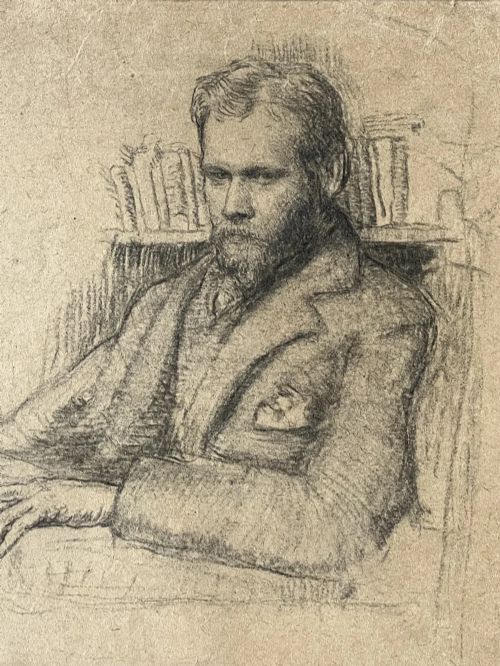
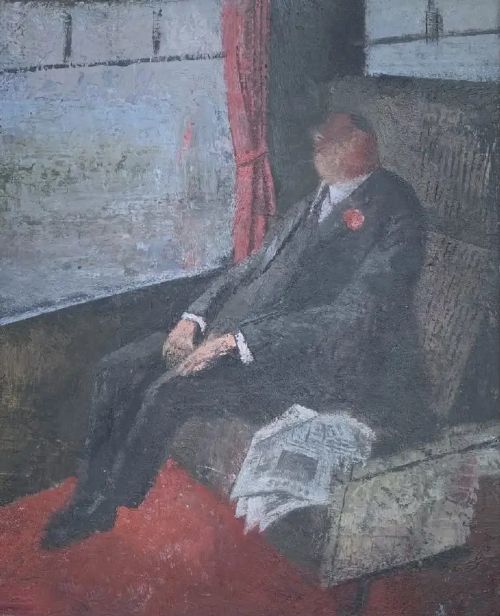
Buyers seeking this phrase encounter a mix of academic life drawings, Art Deco bronzes and modernist canvases. The selection spans media from graphite and charcoal on paper to oil on canvas and cast metal.
Pieces originate from British and European hands, capturing changing stylistic movements across several decades. The focus remains on anatomical observation, character and proportion rather than idealised myth.
Materials and construction
Works on paper rely on charcoal, chalk, pencil, ink and pastel applied with varying degrees of pressure. These marks record the immediate gesture and contour of the subject during a single sitting.
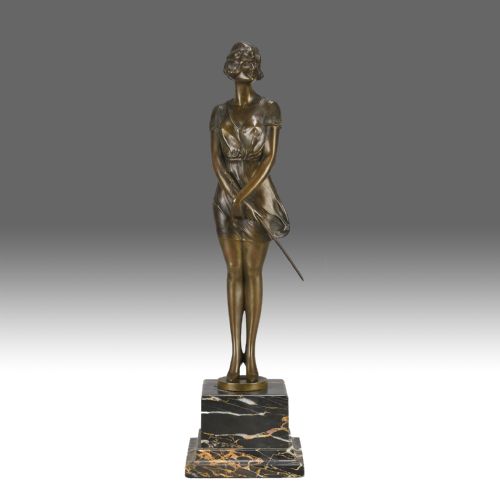
Painted examples utilise oil paint on canvas or board, allowing artists to build up tone and colour. Sculptural studies are cast in bronze, often with cold-painted or patinated surfaces, or carved directly from wood and bone.
Listings feature works spanning the Edwardian era through the nineteen-sixties, utilising canvas, bronze, paper and wood.
Assessing quality and execution
Execution depends on the sureness of line and the accuracy of anatomical proportion. A confident hand captures movement and volume swiftly, whereas weaker examples struggle with perspective and balance.
The distinction between a casual exercise and a finished study lies in the handling of light, shadow and spatial depth. Surface preservation in patinated bronzes and the stability of paper supports further influence desirability.
Bruno Zach·Dora Heber·Alexandre Louis Martin·Allan Douglas Davidson·Demetrios Galanis·Winifred Eugene Ballard·P J Mêne·Ferdinand Preiss·Josef Lorenzl·Yetta Kane·Frank Dobson·Harry Epworth Allen
The 20th Century Figure Study Glossary
- Life study
- A drawing, painting or sculpture executed directly from a live model. This practice formed the foundation of academic training throughout the period.
- En grisaille
- Painting executed entirely in shades of grey or neutral monochrome. This technique often served to emulate sculpture or prepare for multi-coloured works.
- Animalier
- Art focusing on the realistic portrayal of animals, particularly prevalent in bronze sculpture. Practitioners observed beasts in motion or repose to capture authentic musculature.
- Deux crayon
- A drawing technique using two distinct chalk or crayon colours, typically black and red on toned paper. This method highlights tonal contrast and volume.
- Academic realism
- Style of painting and sculpture produced under the influence of European academies. It emphasises traditional standards, precise proportion and finished detail.
20th Century Figure Study: Frequently Asked Questions
What is a figure study?
A figure study is an artwork created to examine the shape, posture and musculature of a person or animal. Artists produced these works either as preparation for larger compositions or as finished pieces in their own right.
They record direct observation from life, highlighting the technical skill of the maker in capturing proportion and movement.
How do I display works on paper?
Works executed on paper, such as charcoal drawings and ink sketches, require careful framing behind glass. Keep them away from direct sunlight to prevent the paper from yellowing and the media from fading.
Using acid-free mounts protects the edges of the sheet and preserves the integrity of the drawing over time.
How are bronze studies cast?
Bronze sculptures from this period are typically produced using the lost-wax method. Molten metal is poured into a mould created from an original model, capturing fine surface details.
After cooling, artisans apply patinas or cold-painted finishes to colour and protect the metal surface.
What distinguishes academic art?
Academic art follows strict rules of proportion, composition and finish taught by official European art academies. These pieces demonstrate rigorous training in anatomy and perspective.
Unlike experimental modernist works, academic studies prioritize lifelike representation and traditional technique.