


20th Century Engraving
These pieces of 20th century engraving bring printed artistry, metalwork and carved objects from the nineteen-tens onwards straight into a room.
20th Century Engraving
A search for 20th century engraving reveals a diverse selection of framed prints, works on paper, carved wood, brass, bronze, and silver objects spanning several decades. The selection mixes European fine art etchings and drypoints with decorative metalwork and treen from various global traditions.
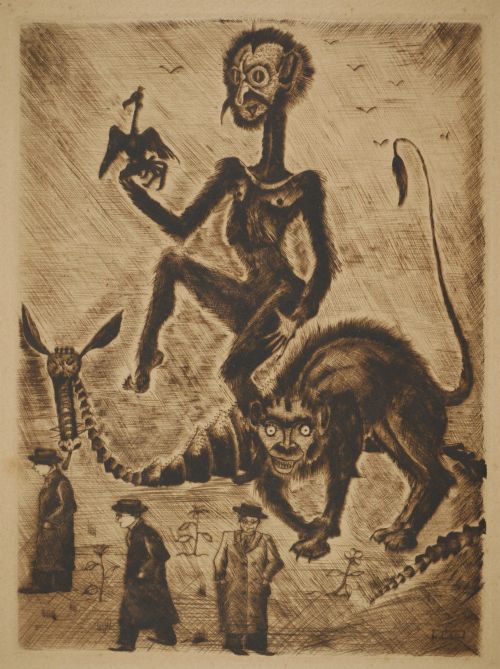
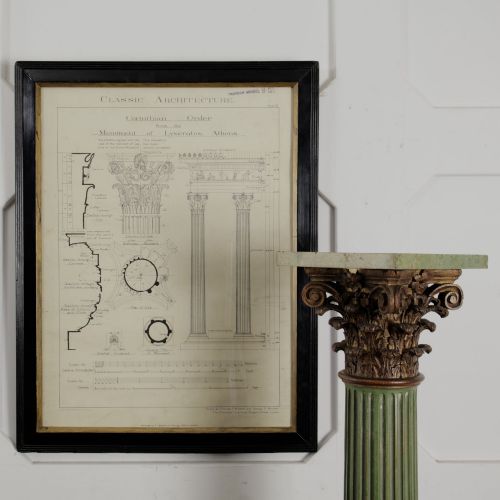
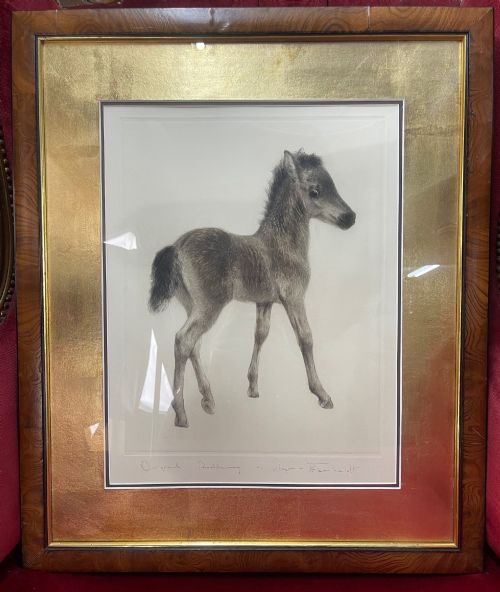
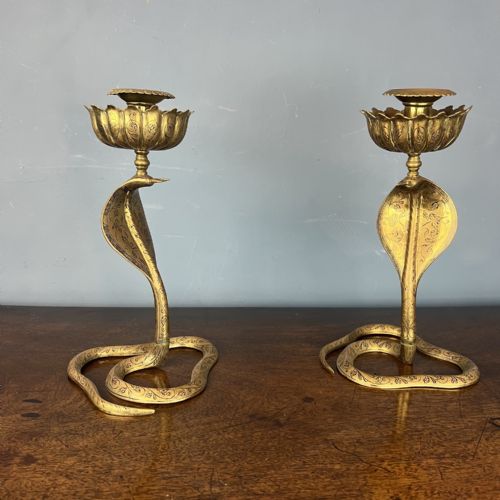
Framed prints and drypoints dominate the paper selections, featuring named artists working in distinct twentieth-century movements. Alongside these graphic works, buyers encounter brass candlesticks, bronze bowls, niello boxes, and carved wooden spoons.
The objects date predominantly from the Edwardian era through the nineteen-sixties, capturing shifts in aesthetic taste from neoclassical revivals to surrealism and Scandinavian folk art. Each piece reflects the specific manufacturing methods of its decade of origin, whether printed on paper or worked in metal.
Materials and methods
Works on paper rely on ink applied to etched, drypointed, or aquatinted plates, producing fine lines on paper surfaces. Some prints incorporate gold leaf highlights to enhance the visual depth of the composition.
Metal items utilise brass, bronze, silver, and gold, often decorated through specialised techniques such as Bidri ware inlay or niello contrasting. Carved wood and treen pieces demonstrate traditional hand-tool methods applied to timber.
Object forms include framed prints, candlesticks, treen, decorative bowls, vases, decorative boxes, cufflinks, and bracelets.
Assessing quality and execution
Quality in the printed works depends on the clarity of the line, the preservation of the paper, and the strength of the artist's impression. Stronger pulls from the plate maintain crisp detail in shadows and contours.
In metalwork and carved items, the precision of the surface decoration, the integrity of the material, and the weight of the piece determine the standard of craftsmanship. Objects with well-preserved patinas and clean chasing represent the upper tier of the range.
Kurt Lorein Victor Peiser·Kurt Meyer Eberhardt·John Flaxman·Edgar J Maybery·CB Prescott·Claude H Rowbotham·Featherstone Robson·Harry Epworth Allen·Reginald Green·Arthur F E Poley
The 20th Century Engraving Glossary
- Drypoint
- A printmaking technique where an image is scratched directly onto a metal plate with a hard needle. This method creates a burr that holds ink for a velvety printed line.
- Etching
- A process where lines are bitten into a metal plate using acid before ink is applied for printing. The acid creates the recessed grooves that hold the ink.
- Aquatint
- A printmaking method that produces tonal areas resembling watercolor washes rather than sharp lines. It uses acid-resistant resin dusted onto the plate.
- Niello
- A black metallic alloy used as an inlay on engraved or etched metal surfaces. It creates dark contrasting designs against silver or other metals.
- Treen
- Small handmade wooden domestic objects such as spoons and bowls. These items show traditional turning and carving marks.
20th Century Engraving: Frequently Asked Questions
What is a drypoint etching?
A drypoint is a print made by scratching an image directly into a metal plate with a sharp point. The process pushes up a small ridge of metal called a burr.
When the plate is inked and wiped, this burr catches extra ink to give the printed lines a soft, rich quality unlike standard acid-bitten lines.
How are these prints framed?
Many works on paper arrive in period frames that complement the date of the artwork. The framing materials protect the delicate paper surfaces from dust and handling.
Buyers should examine whether the framing style matches the Edwardian or mid-century aesthetic of the enclosed print.
What is Bidri ware?
Bidri ware is a traditional metal handicraft originating from India, utilising a darkened zinc and copper alloy. Artisans inlay thin sheets of contrasting metal into the surface.
These pieces feature distinctive dark bodies decorated with bright metallic patterns, often taking the form of decorative animal figures or vessels.
How do I care for antique paper?
Works on paper require protection from direct sunlight to prevent fading of the inks and yellowing of the sheet. Maintaining stable indoor humidity prevents warping and foxing.
Displaying prints behind UV-filtering glass helps preserve the condition of the paper over time.
What distinguishes an aquatint?
An aquatint creates areas of tone and shade on a printed page rather than simple lines. Fine resin particles are melted onto the plate before acid biting.
This technique results in textured patches that resemble washes of ink or watercolor within the finished print.