
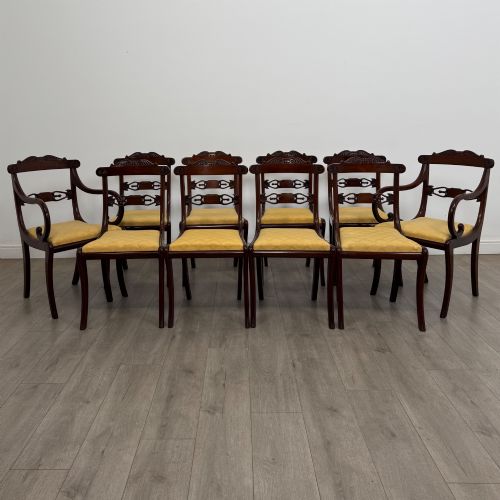
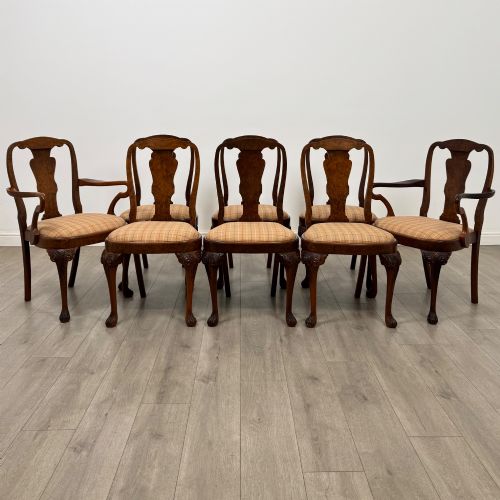


20th Century Dining Set
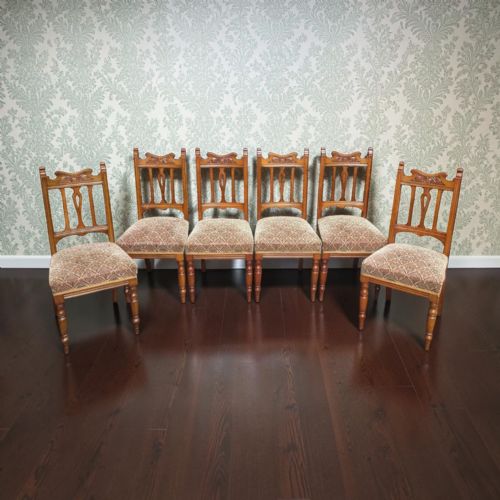
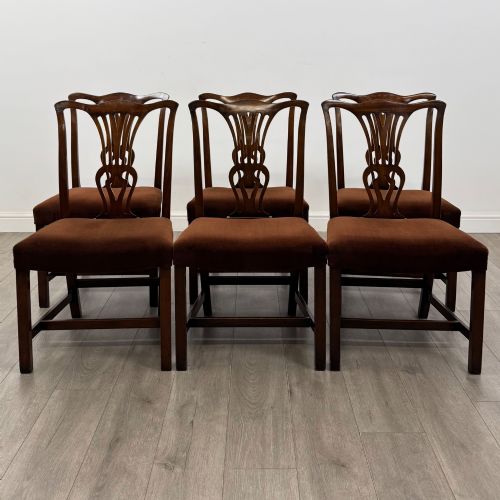
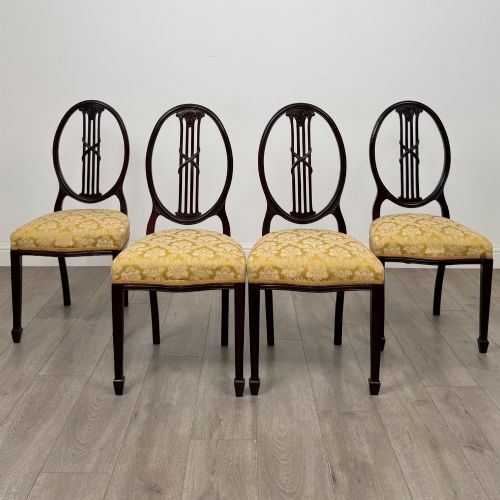
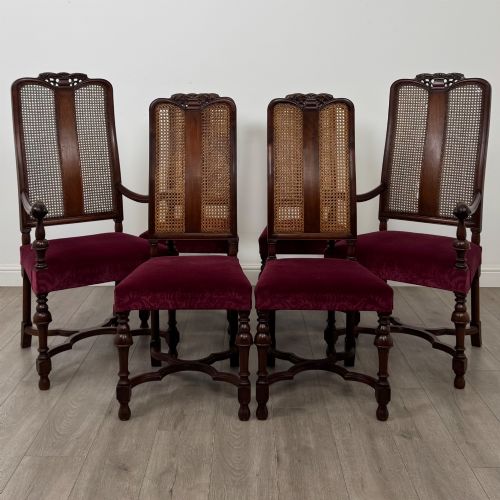
A 20th century dining set brings together matching chairs and tables from the Edwardian era onwards, designed for formal dining and everyday gatherings alike.
20th Century Dining Set
Buyers encounter various configurations, including large sets of dining chairs alongside occasional parlour suites and farmhouse arrangements. These groupings reflect the formal dining habits of the period, preserved in numbers that accommodate modern tables.
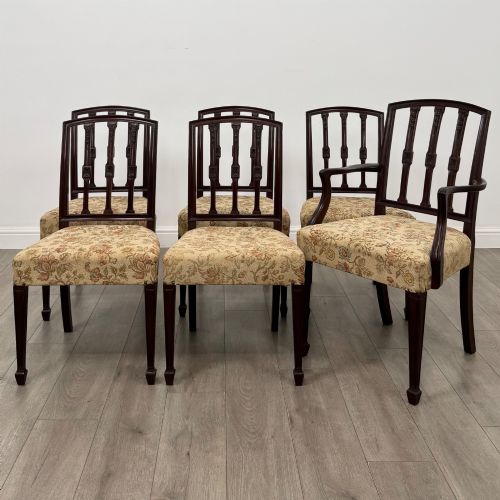
The aesthetic leans heavily on historical revivals, with Queen Anne, Regency, and Jacobean styles predominating among the Edwardian and later pieces. Each set maintains a uniform design across the chairs to present a cohesive appearance in the dining room.
How they were made
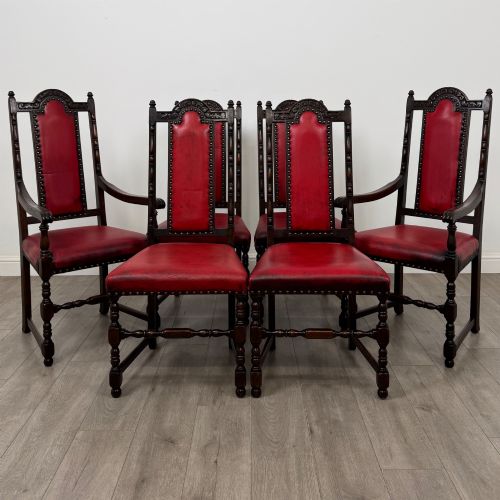
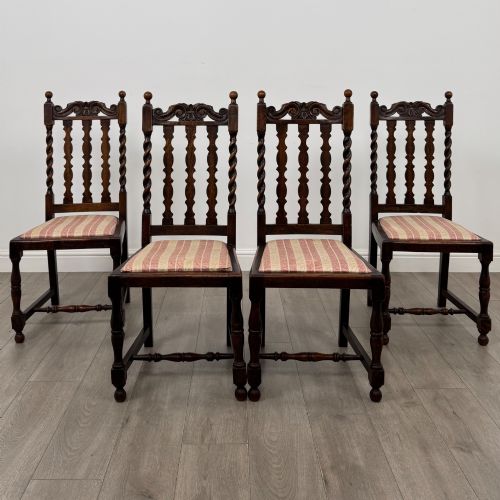
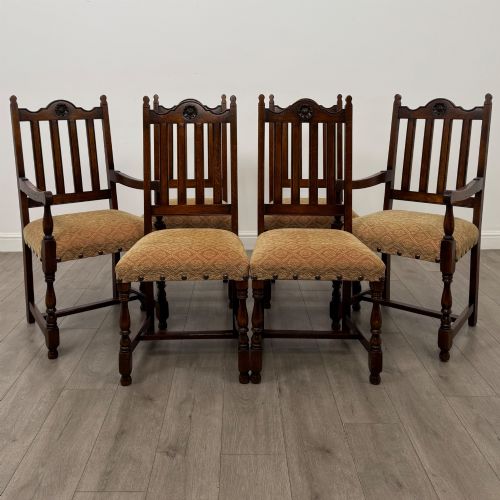
Cabinet makers utilised solid timbers such as oak, mahogany, walnut, and ash, shaping them with traditional joinery methods to ensure structural integrity. Chairs frequently incorporate turned elements like barley twist or bobbin turned legs, alongside carved details native to revival styles.
Seating portions involve drop-in pads or upholstered frames covered in materials including velvet, damask fabric, leather, and traditional textiles. Brass fittings occasionally appear on castors or structural supports, adding utilitarian detail to the heavy timber frames.
Listings feature Edwardian and early 20th century sets utilising oak, mahogany, walnut, and ash alongside upholstery in leather, velvet, and damask.
What varies in quality
The standard of timber selection and depth of carving distinguish finer sets from standard production, particularly in revival styles where crisp execution matters. Heavier woods like burr walnut or dense mahogany paired with high-grade damask or leather upholstery elevate a set above simpler ash or oak farmhouse iterations.
Consistency across a larger number of chairs indicates superior workshop output, ensuring that sets of eight, ten, or fourteen maintain uniform proportions and matching grain patterns. Maker attribution, such as documented cabinet work from established Dublin firms, also separates standard commercial production from distinguished commissions.
Robert Strahan Dublin
The 20th Century Dining Set Glossary
- Barley twist
- A woodworking technique where timber is turned to resemble a spiralling rope. This decorative feature appears frequently on the legs and stretchers of Edwardian oak chairs.
- Revival style
- A design movement that borrows historic motifs from earlier centuries such as Queen Anne or George II eras. Makers reinterpreted these historical aesthetics for Edwardian dining furniture.
- Damask fabric
- A reversible figured cloth woven on a jacquard loom, frequently utilised for formal upholstery. It provides a patterned texture suited to period dining chairs.
- Parlour suite
- A coordinated group of seating furniture designed for a formal reception room rather than a dining hall. These suites share materials and decorative vocabulary with dining sets.
- Windsor chair
- A wooden chair constructed with a solid wooden seat into which the back-spindles and legs are raked. Ash and elm are typical timbers employed for their construction.
20th Century Dining Set: Frequently Asked Questions
What defines a 20th century dining set?
A 20th century dining set consists of matching chairs and occasionally tables produced from the Edwardian period into the 1920s. These groupings reflect the revival styles and timber preferences popular during those decades.
Such sets range from modest four-piece arrangements to expansive sets of fourteen chairs. They provide a uniform aesthetic rooted in historical British design traditions.
How do I care for wooden dining chairs?
Maintaining wooden dining chairs involves keeping them away from direct heat sources and sudden humidity changes to protect the timber and joints. Regular dusting with a soft cloth preserves the polished surface of oak and mahogany.
Upholstered sections require gentle brushing or specialist cleaning depending on whether the covering is leather, velvet, or damask fabric. Checking the stability of barley twist legs and stretchers ensures long-term durability during regular use.
Were these sets used daily?
Many sets originating from the Edwardian era served in formal dining rooms for daily family meals as well as social gatherings. Sturdy timbers like oak and ash were chosen to withstand regular use.
Over decades of use, upholstery fabrics like leather or textile might be replaced while the structural hardwood frames remained intact. This durability allows modern owners to continue utilising them for everyday dining.