




20th Century Buffet
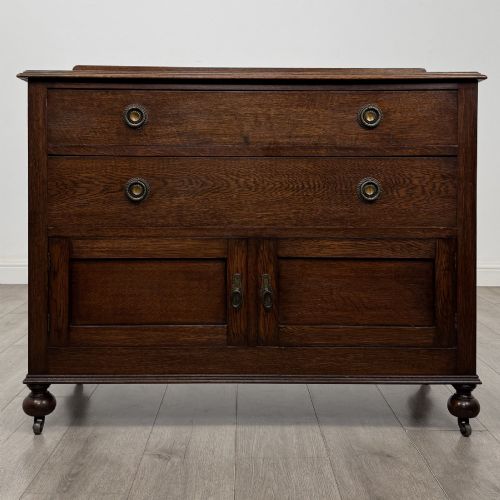
A 20th century buffet provides substantial dining room storage through heavy timber construction and period detailing.
20th Century Buffet
A 20th century buffet encompasses sideboards, cupboards, cabinets, and dressers designed for dining room service and storage. The form evolved across several decades, shifting from ornate revival styles to streamlined modernist designs.
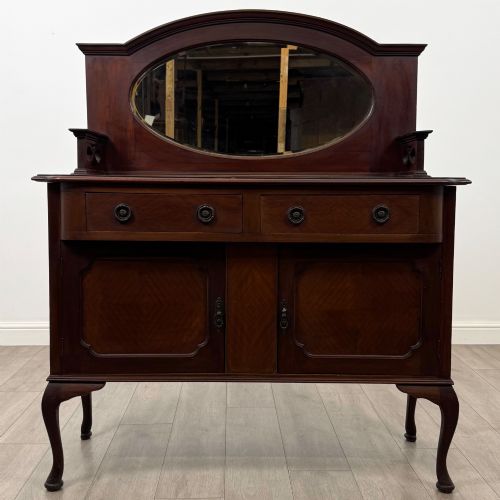
Buyers are most likely to encounter oak pieces from the Edwardian period and the 1920s on this page. These versions frequently display carved details, mirror backs, and distinct stylistic revivals.
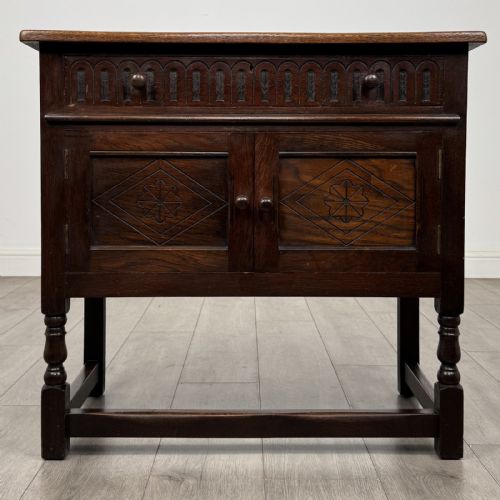
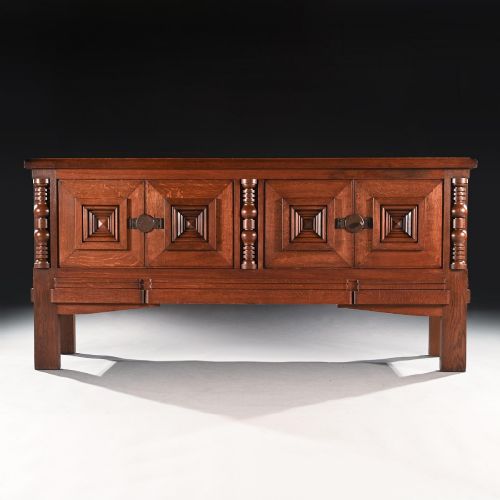
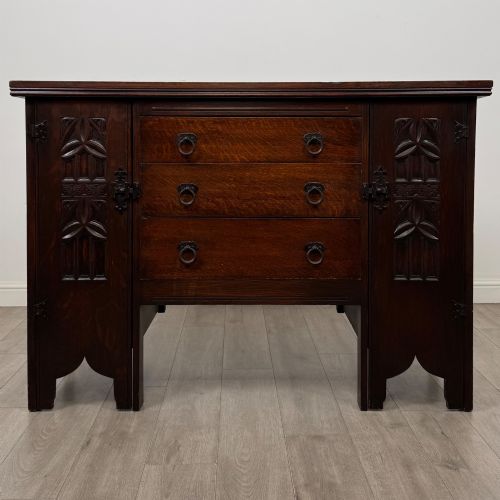
The selection ranges from robust Jacobean and Gothic revival cupboards to French Art Deco sideboards and painted pine kitchen pieces. Each iteration reflects the domestic storage requirements and aesthetic preferences of its specific decade.
How They Were Made
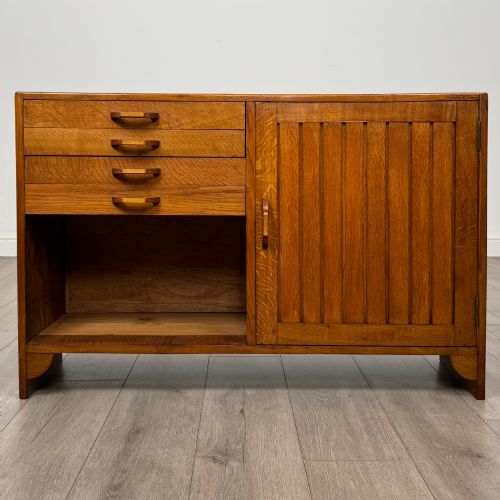
Makers relied heavily on solid oak and golden oak, often incorporating brass handles, iron hardware, and copper elements for functional and decorative accents. Burr walnut marquetry and painted pine also appear in specific regional and stylistic variants.
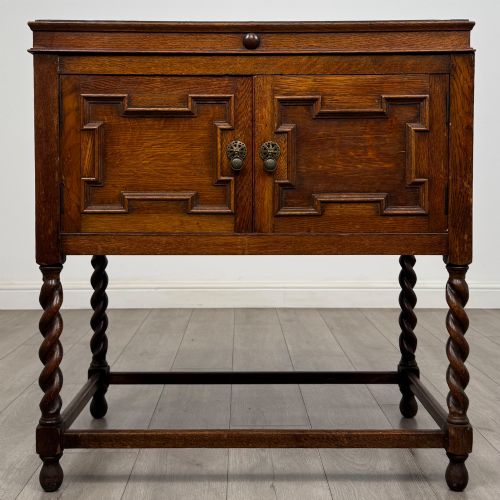
Construction techniques combined traditional joinery with period ornamentation such as geometric panels, barley twist legs, carved reliefs, and tambour doors. Glass panels, mirrors, and fabric linings were integrated into cabinets and backboards.
20th Century Buffet Retail Price Guide 2026
Typical asking prices for 20th century buffet among the pieces listed under this phrase on Sellingantiques today, from the lower quarter to the upper quarter. They describe what is for sale here now, not the wider market.
Several pieces include integrated bottle racks, proving that Edwardian hosts valued immediate access to wine.
What Varies in Quality
Quality separates along the depth of carving, the selection of timber veneers, and the integrity of the structural joinery. Pieces featuring burr walnut marquetry or distinctive maker attributions stand apart from standard utility furniture.
The sophistication of decorative hardware, from cast brass handles to ormolu mounts, distinguishes finer workshops from mass production. Well-executed revival details and intact original mirrors indicate superior initial manufacture.
Charles Dudouyt·Rushworth's
The 20th Century Buffet Glossary
- Tambour Door
- A flexible sliding door constructed from narrow vertical strips of wood glued to a canvas backing. This mechanism allowed smooth access to narrow side cabinets.
- Court Cupboard
- An enclosed piece of dining furniture featuring an upper cabinet recessed above a lower section. These items often display heavy carving and traditional joinery.
- Ormolu
- Gilded bronze mounts applied to furniture and decorative objects during various revival periods. The technique adds metallic lustre to timber surfaces.
- Dresser Base
- The lower section of a kitchen or dining dresser containing drawers and cupboards without the upper plate rack. These served as sturdy working surfaces in domestic spaces.
20th Century Buffet: Frequently Asked Questions
What is a 20th century buffet?
A 20th century buffet is a large storage unit designed for dining rooms, used to hold crockery, cutlery, and serving dishes.
These pieces range from Edwardian oak sideboards to Art Deco cabinets, functioning as both practical storage and display surfaces.
How do I style a buffet?
Buffets suit dining rooms, hallways, and living spaces where substantial surface area and storage are useful.
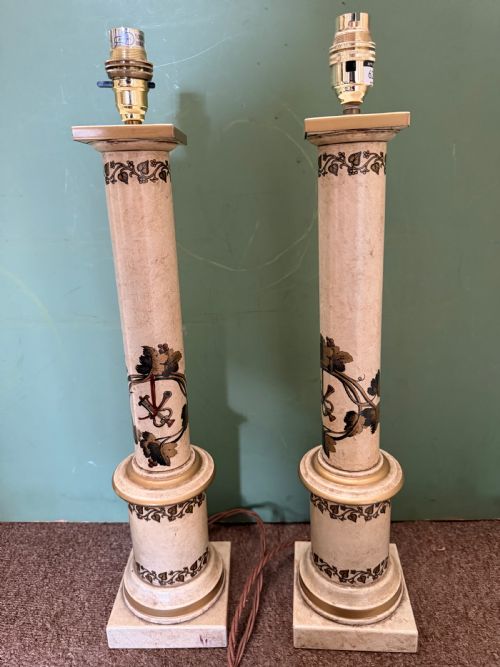
Pair the top surface with table lamps, mirrors, or ceramics to balance the visual weight of the timber construction below.
How do I date a buffet?
Dating relies on identifying stylistic markers, timber choices, and hardware associated with specific decades.
Edwardian pieces often feature mirror backs and oak carving, while 1940s examples show French Art Deco influences.
What woods were used?
Oak is the predominant timber found across these listings, appearing in standard, golden, and carved variations.
Walnut marquetry and painted pine also feature in specific regional or modernist designs from the period.