
19th Century Wooden Drawers
These 19th century wooden drawers bring practical storage and rich period timber into a room, offering sturdy utility built by hands long gone.
19th Century Wooden Drawers
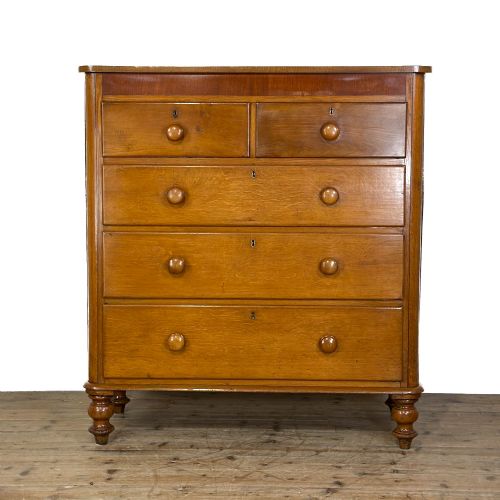
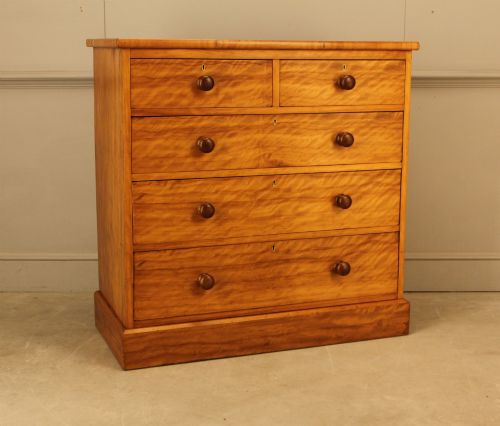
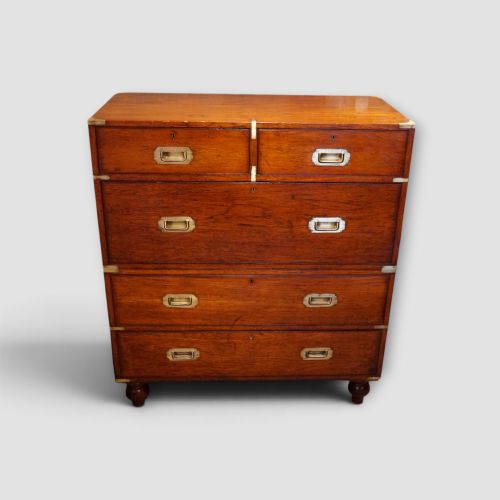
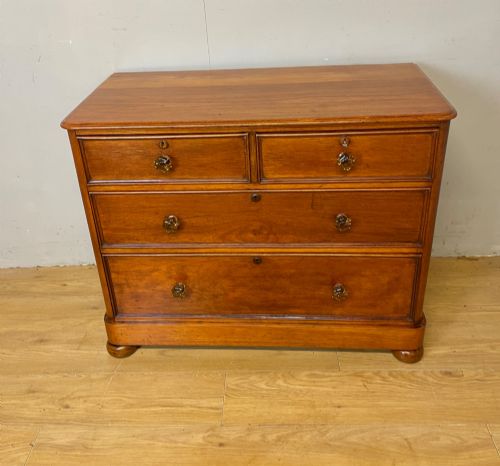
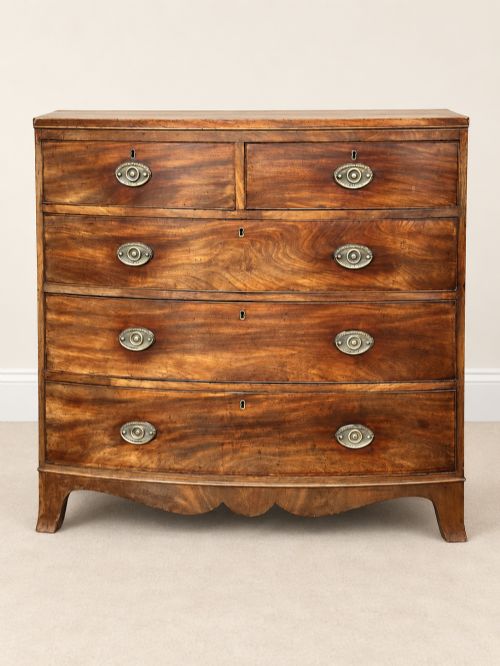
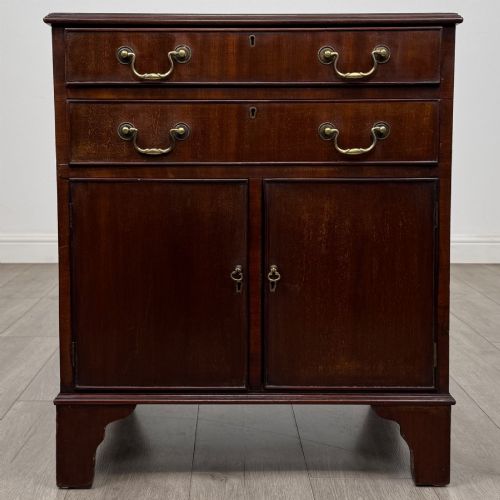
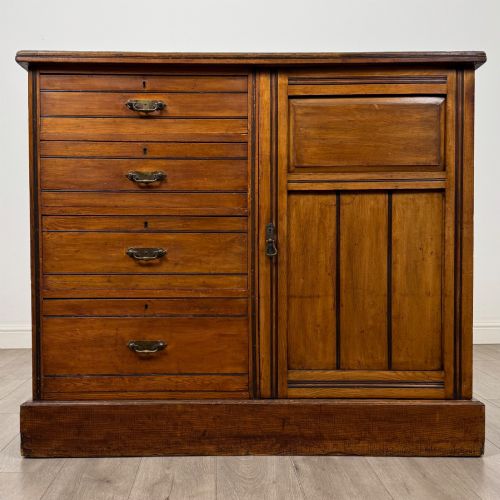
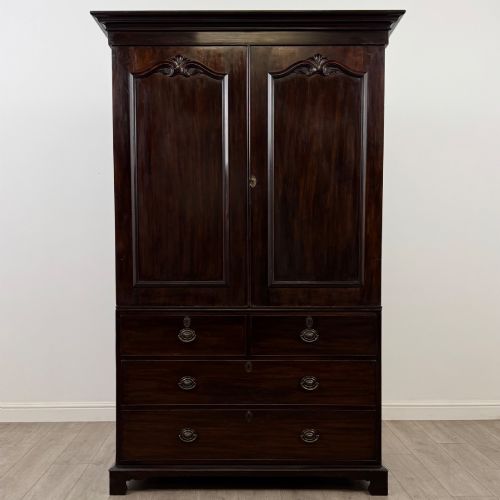
When you search for 19th century wooden drawers, you encounter a wide selection of storage pieces spanning the Georgian, Regency, and Victorian periods. The most common forms on this page are chests of drawers, alongside linen presses, bedside cabinets, and miniature apprentice pieces.
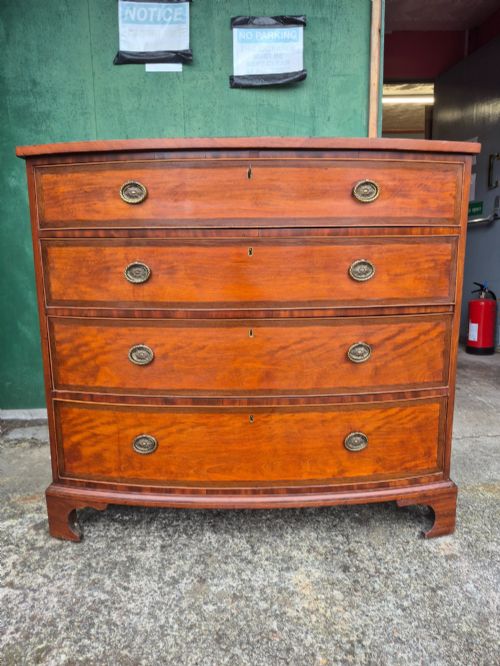
These items originate from various regional workshops and city joiners, taking shapes from simple pine country furniture to formal mahogany bow-front designs. Cabinet makers built them for bedrooms, dressing rooms, and halls to house garments, papers, and household linens.
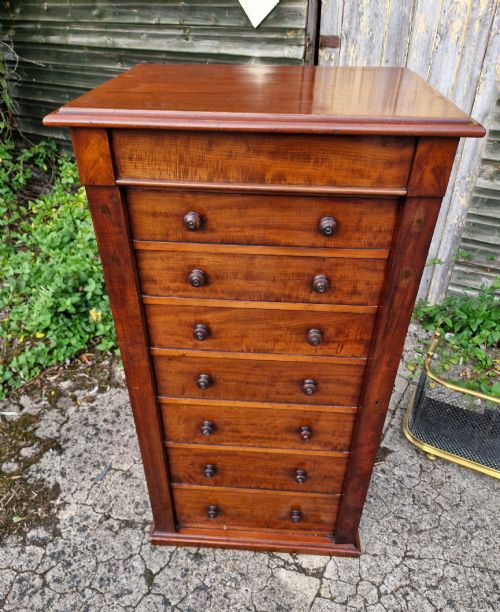
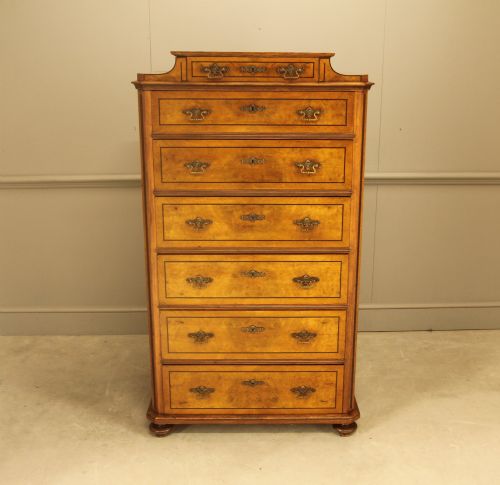
The selection includes tallboys, compact low chests, and pedestal desks incorporating functional drawer banks. Each piece reflects the domestic storage needs and stylistic tastes of its specific decade, from the clean lines of the Regency era to robust Victorian proportions.
How they were made
Cabinet makers relied on solid timbers such as mahogany, oak, walnut, and pine, often applying figured veneers like flame mahogany or burr walnut to primary display surfaces. Drawer construction typically involved hand-cut dovetail joints for strength, paired with secondary softwoods for drawer linings and carcase backs.
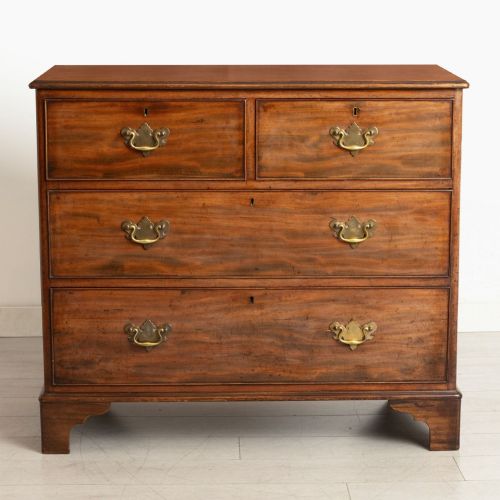
Brass handles, escutcheons, and drawer pulls provided functional hardware, varying from simple drop rings to ornate backplates depending on the date and status of the piece. Surfaces received finishes such as French polish, wax, or original paint applications like scumble glazing.
Listings feature woods like mahogany, oak, pine, walnut, and pitch pine across Victorian, Regency, and Georgian periods.
What varies in quality
The standard of timber selection largely defines the grade of a piece, separating plain utility items from high-status furniture faced in mirrored flame mahogany or burr walnut veneers. Master joiners demonstrated their skill through tight, precise dovetailing and well-fitted drawer runners that ensured smooth operation over generations of daily use.
Proportion and decorative restraint distinguish finer workshop output from simpler regional carpentry. Superior examples retain original brass hardware, stable carcases, and undisturbed surface patination that reflect careful preservation.
T & G Seddon
The 19th Century Wooden Drawers Glossary
- Bow front
- A cabinet front that curves outward in a convex arc, popular during the Regency and Victorian periods. This shape required skilled joinery to bend or shape the timber and drawer fronts accurately.
- Dovetail
- A joint formed by interlocking wedge-shaped fingers, widely used to connect drawer sides to drawer fronts. Hand-cut dovetails indicate traditional craftsmanship before mass production.
- Linen press
- A tall storage cabinet featuring upper doors enclosing sliding trays, positioned above a lower bank of drawers. Originally designed for storing household linens flat.
- Scumble
- A decorative painting technique involving a translucent glaze dragged or brushed over a base coat to imitate graining or texture. It appeared on pine furniture during the Victorian era.
19th Century Wooden Drawers: Frequently Asked Questions
What is an apprentice chest of drawers?
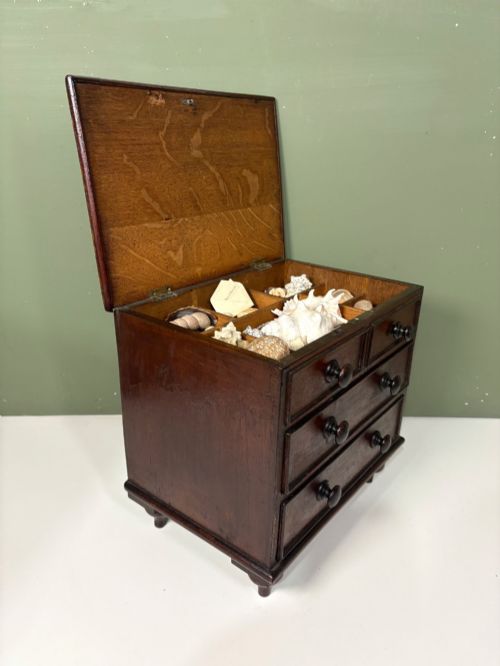
An apprentice chest is a small-scale model of a full-sized piece, created by trainees to prove their woodworking proficiency to a guild. They feature the same meticulous construction and timber choices as larger furniture.
Collectors prize them for their portability and the high standard of miniature joinery they display. They fit easily onto tabletops while offering genuine period character.
How do I identify a Regency chest of drawers?
Regency chests typically exhibit clean architectural lines, often utilising rich flame mahogany veneers and understated brass ring handles. Their proportions tend to be balanced and refined, reflecting neoclassical influence.
Makers of this era focused on figured timber grain rather than heavy carving. Bracket feet or short turned legs frequently support the base carcase.
What timber was used for country pieces?
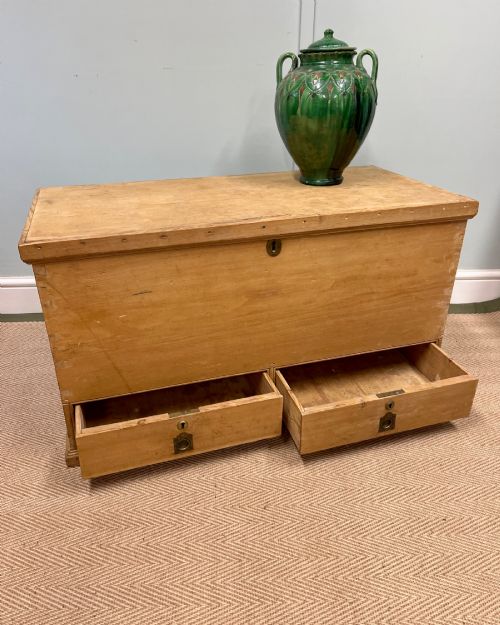
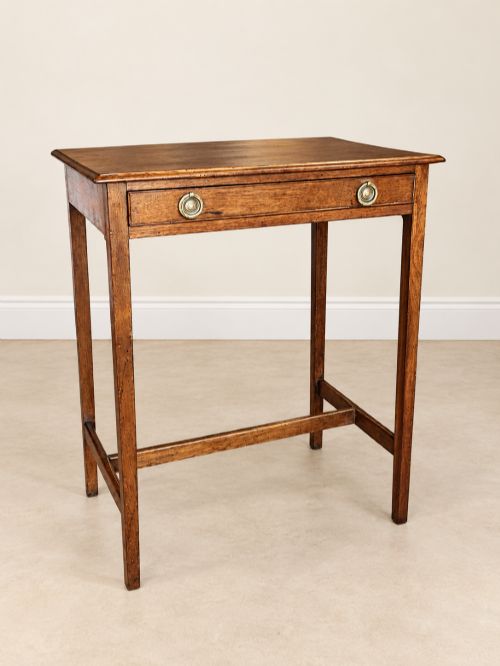
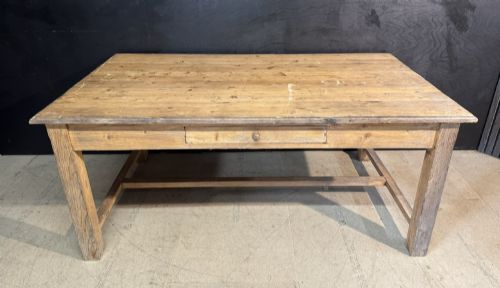
Country workshops relied heavily on accessible local woods such as pine, oak, elm, and ash. Pitch pine and elm appeared frequently in utilitarian farmhouse tables, servers, and regional chests.
These timbers offered durability for everyday household demands. They often show distinctive grain patterns and patination acquired through rural use.
How do I use a linen press today?
A linen press provides versatile storage with its combination of upper shelving space and deep lower drawers. You can utilise the interior compartments for clothing, blankets, or media storage.
The lower drawer bank functions identically to a standard chest of drawers for folded garments. Placing one in a bedroom or hallway adds substantial period storage capacity.