




19th Century Watering Pot
These 19th century watering pot selections bring functional garden gear into domestic spaces, offering sturdy metal forms for practical use and display.
19th Century Watering Pot
When you search for a 19th century watering pot, you encounter practical garden vessels alongside related domestic containers fashioned from metal and pottery. The pieces on this page span the Victorian era, the years around eighteen hundred, and the early twentieth century.
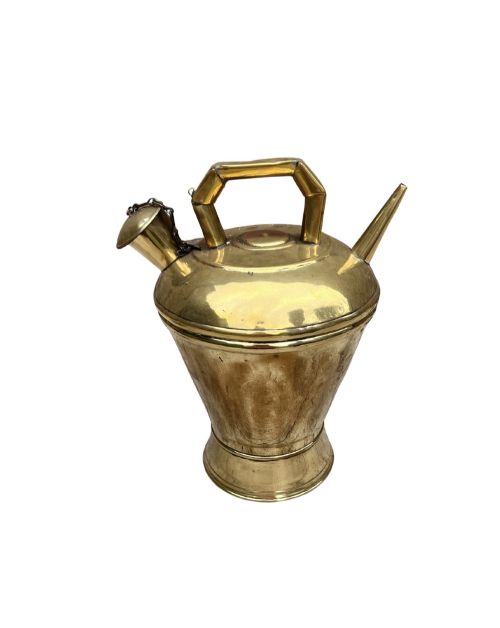
Most examples take the form of heavy brass cans designed for country houses or Victorian gardens, whilst others appear as painted pottery vessels from Mediterranean folk art traditions. Alongside standard watering cans, related vessels such as copper ferrats and brass kettles share similar manufacturing periods.
Materials and construction methods
Makers utilised durable base metals like brass and copper to construct these vessels, often shaping them for heavy daily use in gardens and country houses. Earthenware and painted pottery also appear amongst the selections, providing alternative mediums for container forms.
Metal vessels show evidence of hand-shaping and soldering, whilst ceramic items utilise traditional pottery techniques with painted surface details. These construction methods ensure that surviving examples retain their structural integrity after decades of service.
19th Century Watering Pot Retail Price Guide 2026
Typical asking prices for 19th century watering pot among the pieces listed under this phrase on Sellingantiques today, from the lower quarter to the upper quarter. They describe what is for sale here now, not the wider market.
Listings feature items from the nineteenth century alongside pieces dated around eighteen hundred, nineteen hundred, and nineteen twenty.
Distinctions in quality and finish
The distinction between standard utility items and finer examples lies in the weight of the metal and the crispness of any applied decoration. Heavier gauges of brass and copper indicate robust construction intended for substantial country estates rather than modest gardens.
Surface patination and the preservation of original painted details on pottery vessels further separate ordinary items from those retaining strong visual character. Well-preserved spouts, handles, and seams also determine the desirability of individual metal pieces.
Matthew Boulton·Paul Storr·Boardman Glossop And Co·Royal Worcester
The 19th Century Watering Pot Glossary
- Patina
- The natural surface transformation and coloration developed on metals like brass and copper through age and handling. This surface quality indicates genuine historic use.
- Earthenware
- Porous pottery fired at lower temperatures, frequently found in Mediterranean folk art vessels. Such pieces require glazing or painting to hold moisture effectively.
- Victorian
- The period spanning the reign of Queen Victoria, heavily represented here by mid-to-late nineteenth-century metalwork. Items from this era reflect industrial expansion and domestic gardening trends.
19th Century Watering Pot: Frequently Asked Questions
How were old watering cans used?
Gardeners utilised heavy metal cans to transport and distribute water evenly across greenhouse plants and estate gardens. Their robust construction handled daily filling and tipping.
Domestic spaces also accommodated smaller vessels where controlled pouring was necessary for indoor ferns and potted flora.
What metals appear on this page?
Brass and copper form the majority of the metal watering containers and related vessels listed here. These materials provided the necessary strength for outdoor work.
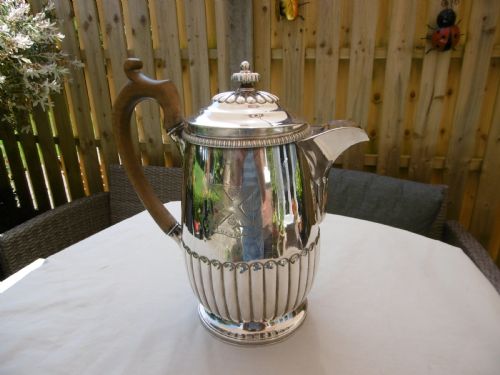
Silver and silver plate also feature on related domestic items such as coffee pots from the same eras, showing finer decorative manufacturing.
How do I date these metal vessels?
Stylistic markers, construction seams, and maker marks help establish the production period for brass and copper items. Victorian examples often display distinct utilitarian designs.
Comparing the weight, handle attachment methods, and overall form against documented nineteenth-century standards clarifies the likely decade of manufacture.
Can I use these antiques outdoors?
Most surviving metal pots remain physically capable of holding water, though many buyers prefer to display them indoors as decorative objects. Using them outside exposes antique brass and copper to accelerated weathering.
Pottery vessels require careful handling if exposed to frost or moisture due to the porous nature of historic earthenware.