


19th Century Taper Holder
A 19th century taper holder provides a focused flame for lighting pipes, sealing wax, and lamps.
19th Century Taper Holder
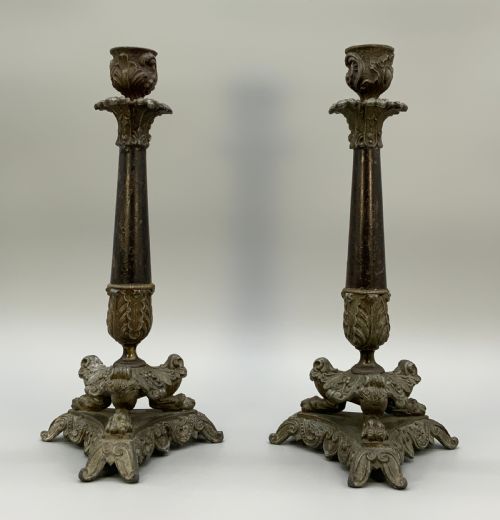
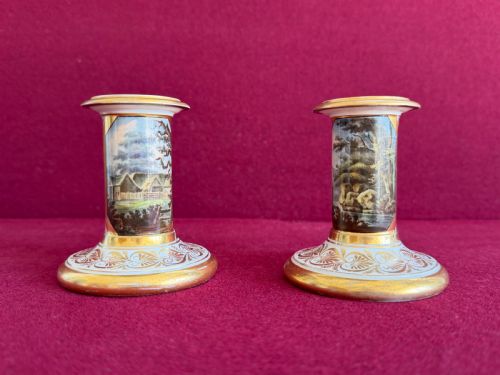
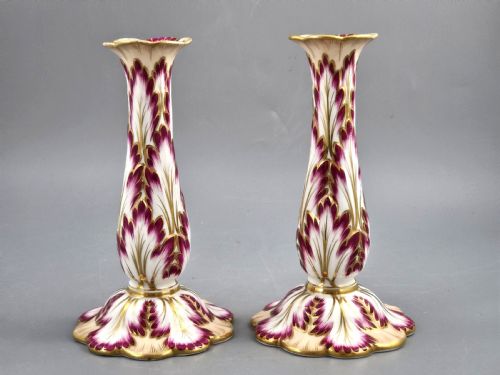
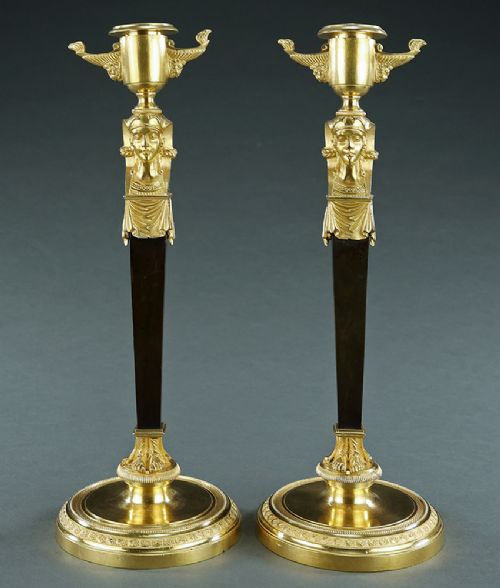
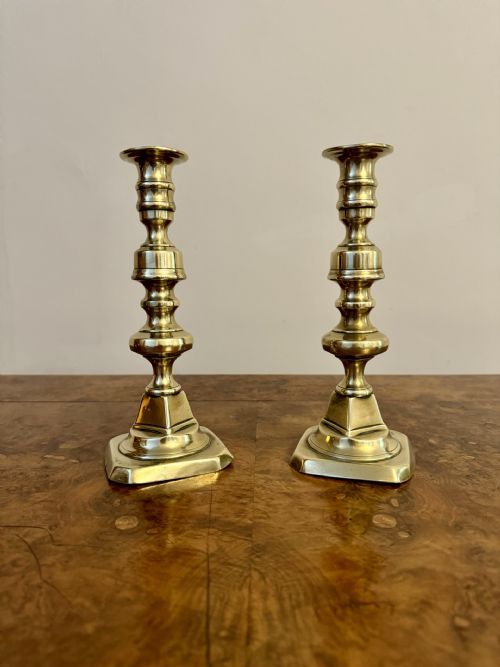
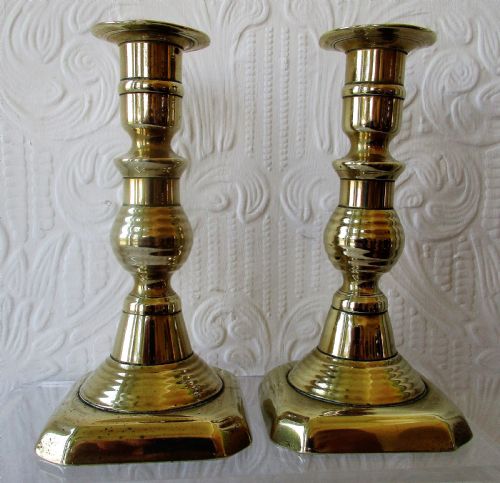
A 19th century taper holder serves as a small, dedicated stand designed specifically for wax taper lights rather than heavy household illumination. These pieces frequently appear as pairs of candlesticks, chamber sticks, or dedicated spill holders originating from the Georgian, Regency, and Victorian periods.
How they were made
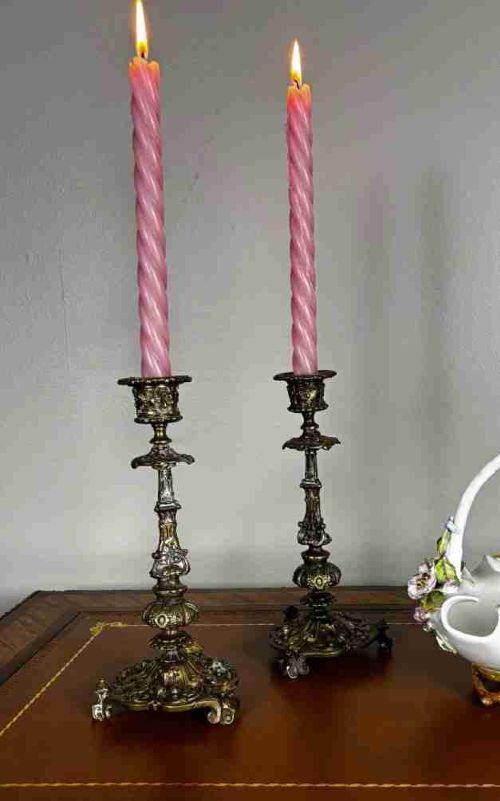
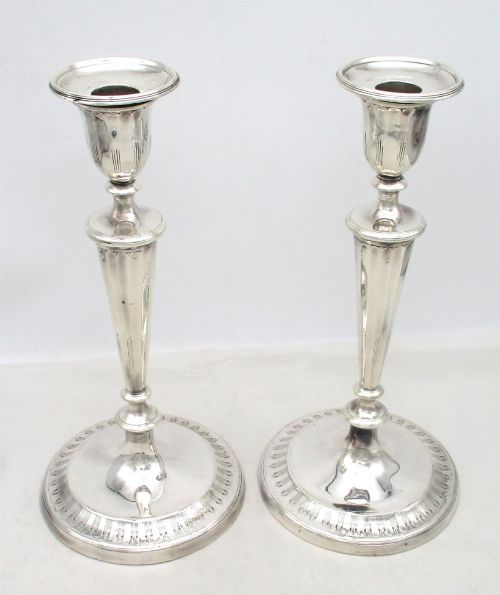
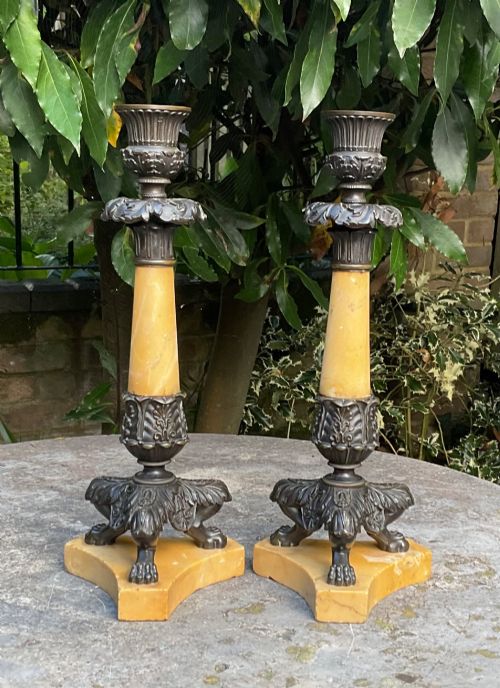
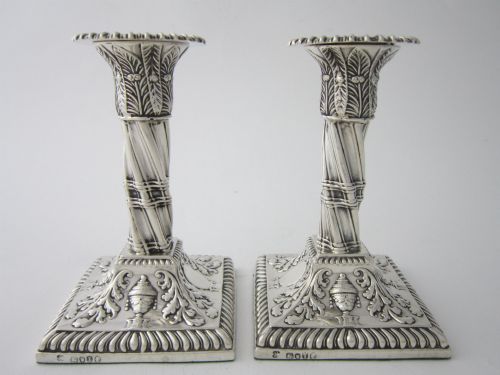
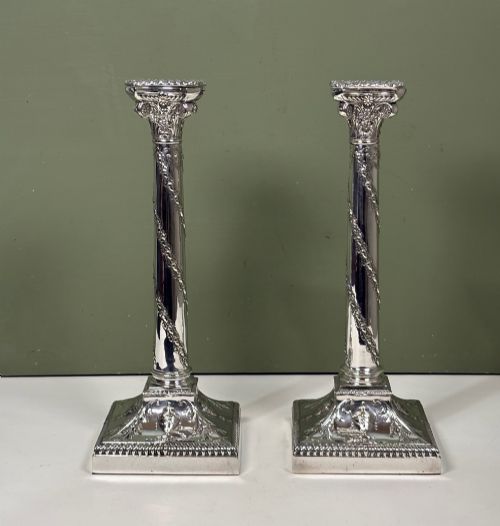
Metal items in this selection rely heavily on brass casting, silver plating on copper bases, and solid sterling silver, often shaped using seaming or turning techniques on a lathe. Bronze and gilt metal pieces utilise intricate casting methods, sometimes combining contrasting materials like marble, porcelain, or biscuit porcelain shafts.
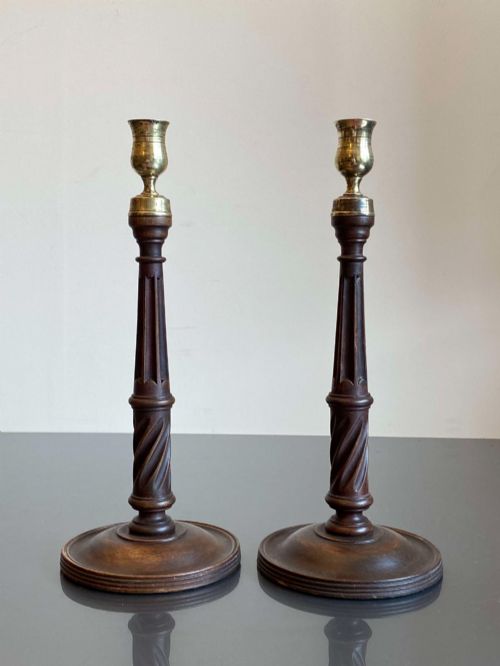
Ceramic examples demonstrate the hand-painting and moulding capabilities of factories producing porcelain foliage and patterned candlesticks. Wooden variants involve careful turning and carving of walnut, treen, and oak to create threaded columns and pedestals.
19th Century Taper Holder Retail Price Guide 2026
Typical asking prices for 19th century taper holder among the pieces listed under this phrase on Sellingantiques today, from the lower quarter to the upper quarter. They describe what is for sale here now, not the wider market.
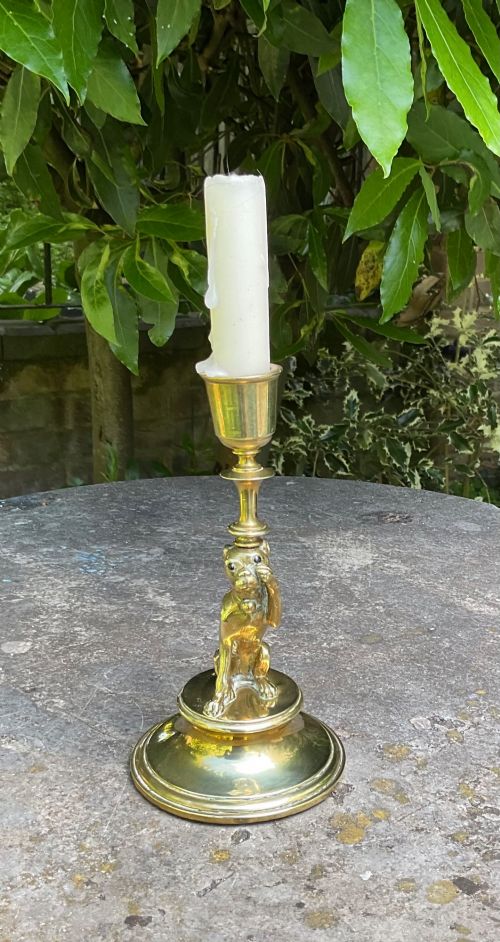
Among the stately columns and formal pedestals, an eager pug dog waits patiently as a heavy brass candlestick.
What varies in quality
The standard of a piece rests upon the crispness of the cast ornamentation and the weight of the metal used in its construction. Heavier brass, thick silver plating, and substantial bronze castings indicate superior manufacturing that endures through daily use.
Artistic execution further separates basic utility items from high-end examples, visible in the hand-engraving on brass, the detailed painting on porcelain, and the precision of turned wooden spirals. Maker attributions and complete hallmarks add distinct weight to silver and bronze creations.
Wm Tonks & Sons·Holtzapffel·Ferdinand Barbedienne·Barr Flight & Barr Worcester·Ridgway
The 19th Century Taper Holder Glossary
- Taper holder
- A small candlestick or stand designed to hold a thin wax-coated wick used for lighting fires or sealing letters. These compact objects sit easily on desks and mantelpieces.
- Spill holder
- A container for wooden matches or rolled paper spills used to transfer fire from a hearth to a candle or pipe. They share a close functional relationship with taper holders.
- Chamber stick
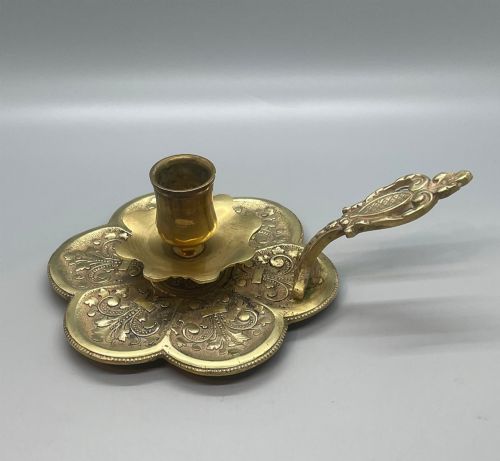
- A low candlestick fitted with a handle and a shallow pan to catch drips, intended for carrying through dark hallways at night. They frequently incorporate a small cone-shaped extinguisher.
- Ormolu
- Gilt bronze produced by applying a finely ground mercury and gold amalgam to cast bronze. The technique creates a rich golden finish seen on French decorative pieces.
19th Century Taper Holder: Frequently Asked Questions
What is a taper holder used for?
A taper holder supports a thin wax taper, which burns long enough to light oil lamps, fireplaces, and tobacco pipes. They kept open flames contained and accessible on desks and tables.
In the nineteenth century, these holders were also essential for melting sealing wax on correspondence before envelopes with adhesive strips became common.
How do I date a brass taper holder?
Dating relies on manufacturing techniques, such as the presence of seaming lines, casting quality, and stylistic influences like Regency or Victorian Gothic revival. Maker marks and registration numbers stamped into the metal provide the most exact chronology.
Base construction also helps, as earlier Georgian pieces often feature different casting weights and patination compared to late Victorian production.
Are silver plated items marked?
Silver plated pieces typically display maker initials, trade marks, or specific symbols indicating the plating house rather than official assay office hallmarks. These marks denote the company responsible for applying the silver layer over a base metal.
Sterling silver examples carry standard town marks, date letters, and maker stamps regulated by government assay offices.
What materials are common in these holders?
Brass remains the most frequent material, alongside silver plate, sterling silver, and cast bronze. Porcelain, enamel, marble, and turned wood also appear in various decorative styles.
Combinations of materials, such as bronze with porcelain shafts or brass paired with porcelain inserts, reflect the eclectic tastes of the Victorian period.