


19th Century Spindle Chair
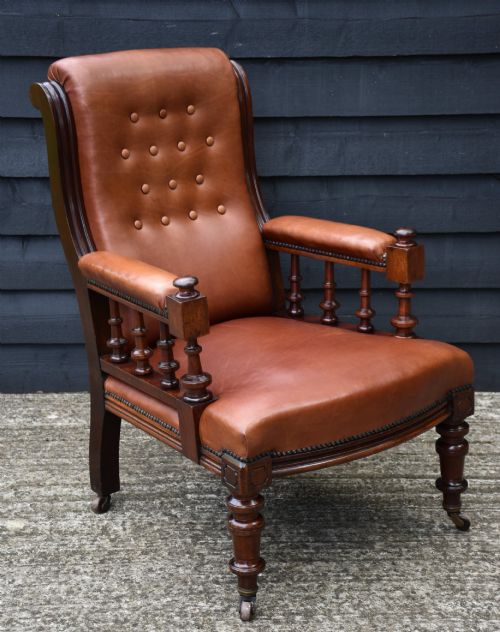
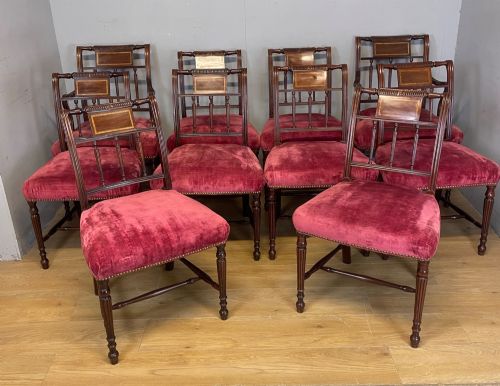
A 19th century spindle chair brings enduring vernacular charm and sturdy timber construction into a room.
19th Century Spindle Chair
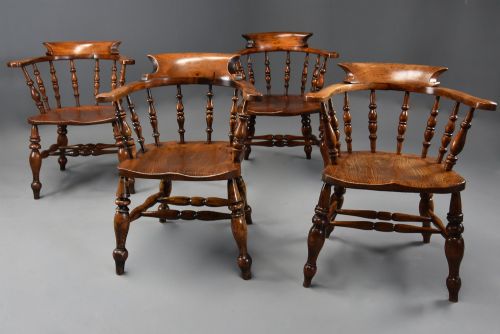
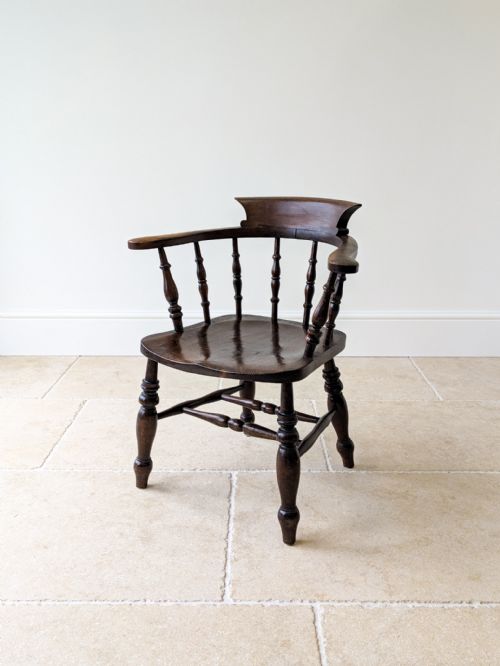
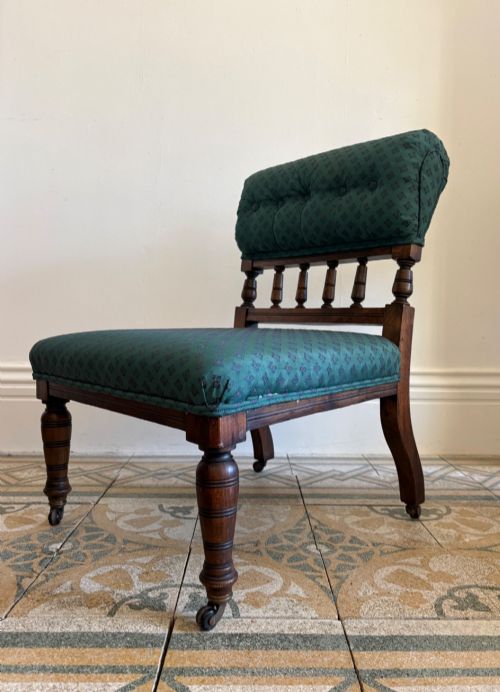
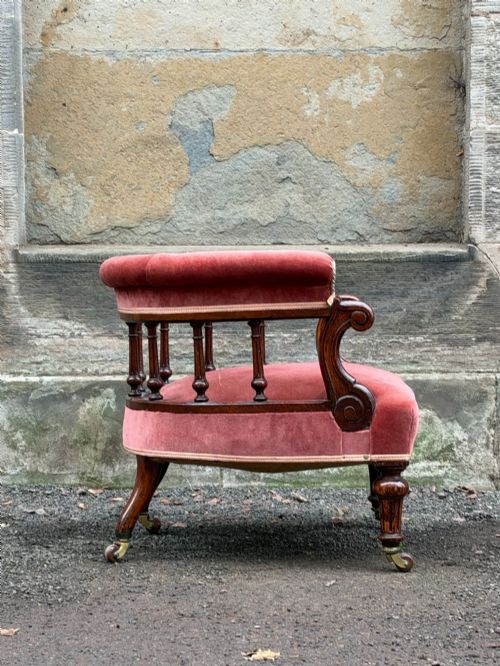
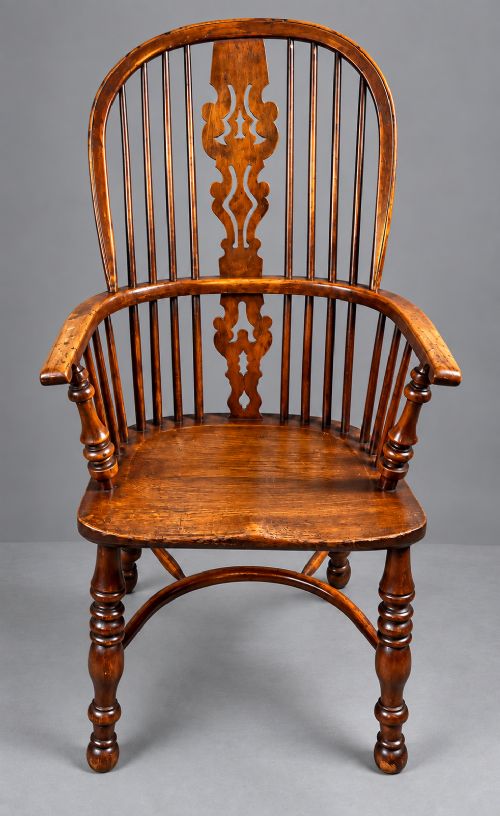
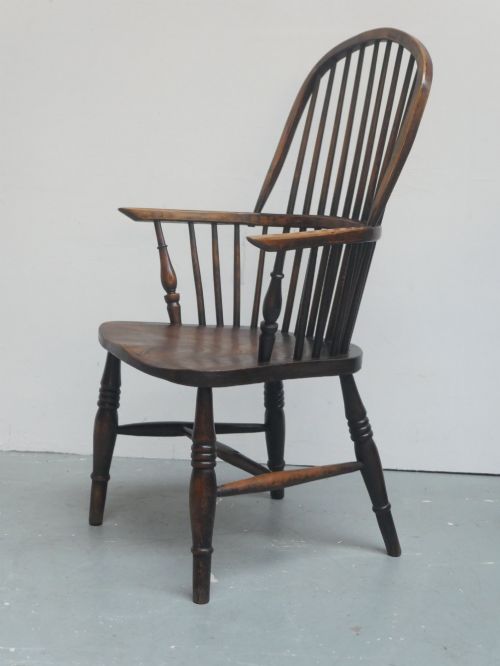
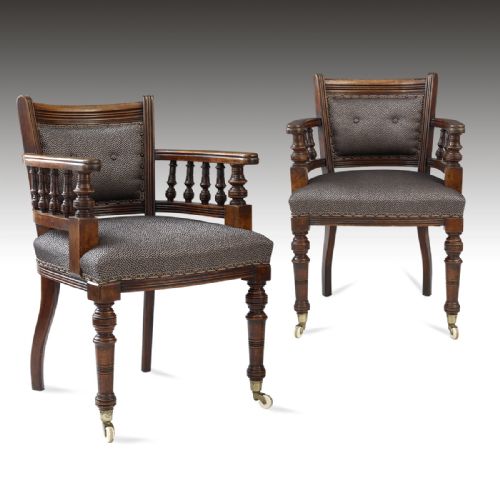
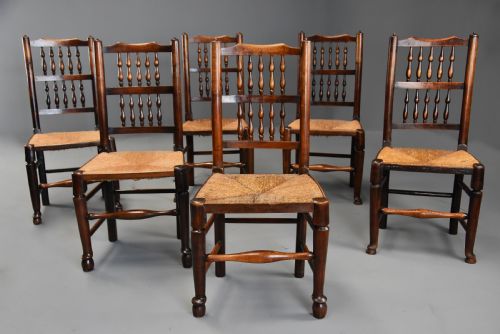
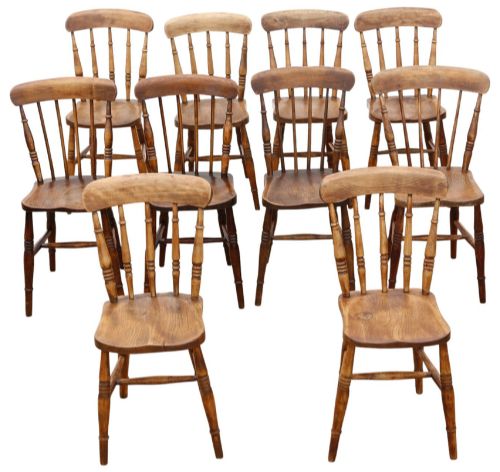
When you search for a 19th century spindle chair, you encounter a diverse group of vernacular seating made across Britain and Europe. The selection spans utilitarian kitchen dining chairs, robust Windsor armchairs, and decorative Arts and Crafts fireside seats.
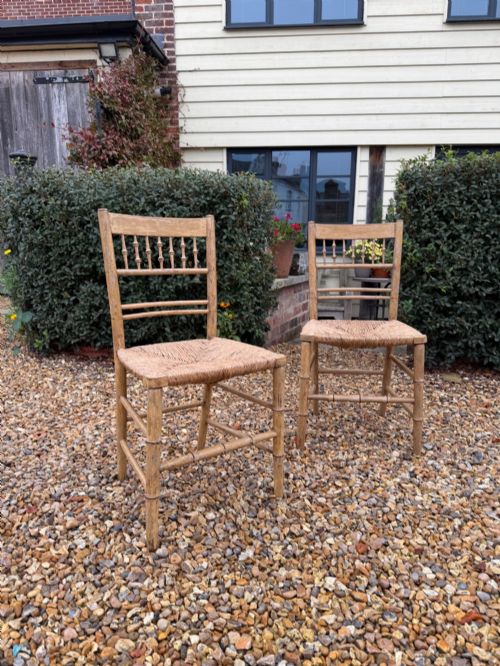
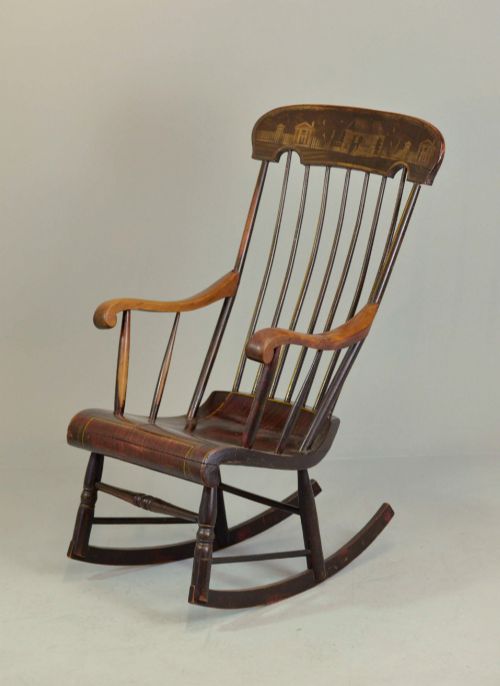
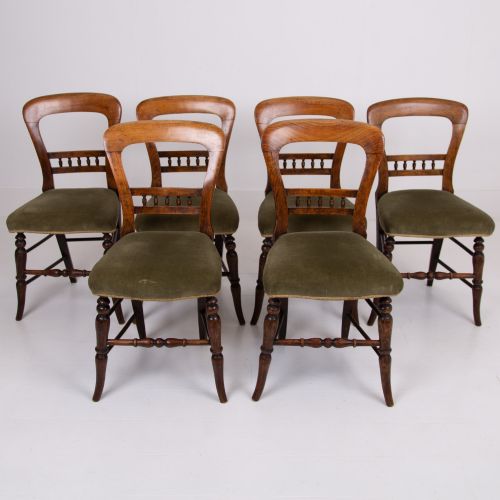
You are most likely to meet elm and beech country chairs featuring turned uprights, rush or timber seats, and vernacular framing. These forms range from simple single chairs to matched sets and low rocking chairs.
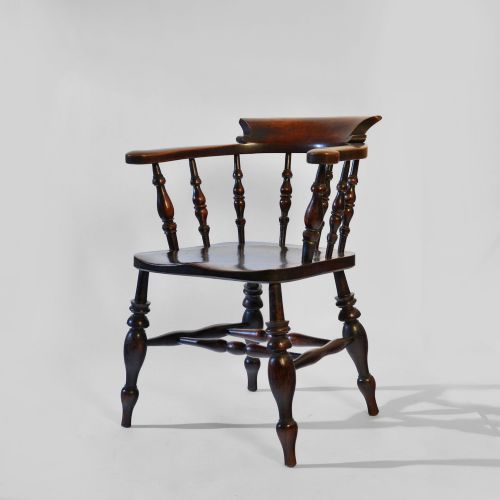
The category also encompasses specialised formats such as captains chairs, desk revolving chairs, and turners chairs. Each piece reflects the regional joinery traditions of the nineteenth century.
How they were made
Joiners and chairmakers utilised native hardwoods such as elm, ash, beech, and oak for structural frames and turned spindles. Elm was frequently selected for solid, dished seats that resisted splitting under daily use.
Constructive integrity relied on traditional methods like turned wood framing, steam-bending for crest rails, and wedged tenon joints. Rush seating was woven directly onto timber frames to create resilient squabs.
Surface treatments typically involved natural wax or oil finishes that developed a deep patina over decades of handling.
19th Century Spindle Chair Retail Price Guide 2026
Typical asking prices for 19th century spindle chair among the pieces listed under this phrase on Sellingantiques today, from the lower quarter to the upper quarter. They describe what is for sale here now, not the wider market.
Several rocking chairs in the collection invite gentle fireside movement after a long day.
What varies in quality
The distinction between ordinary and superior examples rests on timber selection, structural proportion, and surface preservation. Finer pieces display carefully matched woods and well-balanced turning profiles that maintain rigid joints without excessive reinforcement.
Patina and evidence of continuous domestic use elevate the standing of country chairs. Examples retaining their original turned components and rich, untouched surfaces represent the upper tier of this tradition.
Gabbitass of Worksop·J Spencer·Morris and Co·Liberty and Co
The 19th Century Spindle Chair Glossary
- Spindle back
- A chair back constructed from a series of slender turned vertical wooden rods. These rods provide back support while keeping the frame visually light.
- Windsor
- A chair built with a solid wooden seat into which the legs, back spindles, and bow are separately dowelled. This regional construction method produces a resilient and stable form.
- Rush seat
- A seating surface woven from dried marsh rushes around a wooden frame. It offers a flexible and durable texture common in vernacular country seating.
- Smokers bow
- A low-backed Windsor armchair with a continuous curved arm rail supported by short spindles. It gained popularity in nineteenth-century smoking rooms and parlours.
- Bobbin turned
- Furniture legs and stretchers shaped on a lathe to resemble a series of wooden reels or bobbins. This decorative turning style defines specific mid-century aesthetic revivals.
- Crinoline stretcher
- An arched or curved lower stretcher connecting the legs of a chair to provide extra stability. It often loops outwards towards the back legs.
19th Century Spindle Chair: Frequently Asked Questions
What is a spindle chair?
A spindle chair is a wooden seat featuring rows of turned vertical rods forming the backrest or framing. These pieces draw on vernacular joinery traditions from the nineteenth century.
They combine structural strength with a lightweight visual profile, utilising native timbers like beech, ash, and elm.
How do I care for a rush seat?
Rush seats require a dry environment and gentle dusting with a soft brush to prevent the natural fibres from becoming brittle. Avoid excessive moisture or direct sunlight.
Applying a light, occasional application of carnauba wax to the surrounding wooden frame helps maintain the timber without affecting the woven rushes.
Where were these chairs used?
Nineteenth-century spindle chairs served primarily as functional furniture in farmhouses, country kitchens, and cottage dining rooms. Sturdier Windsor and captains formats were also employed in offices and libraries.
Later Victorian variants found a place in domestic parlours and Arts and Crafts interiors.
How do I distinguish regional styles?
Regional styles differ through timber choices, turning profiles, and local joinery techniques. English country pieces often utilise local elm and ash, whereas Scandinavian or continental examples display distinct turning patterns.
Examining the under-seat construction reveals specific workshop practices and assembly methods.