
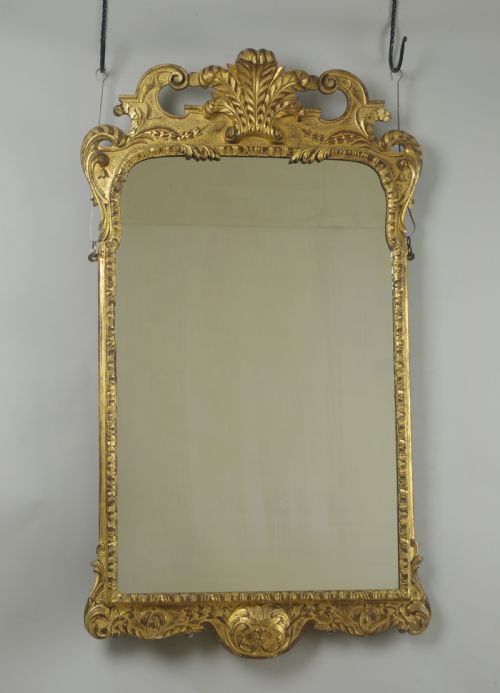
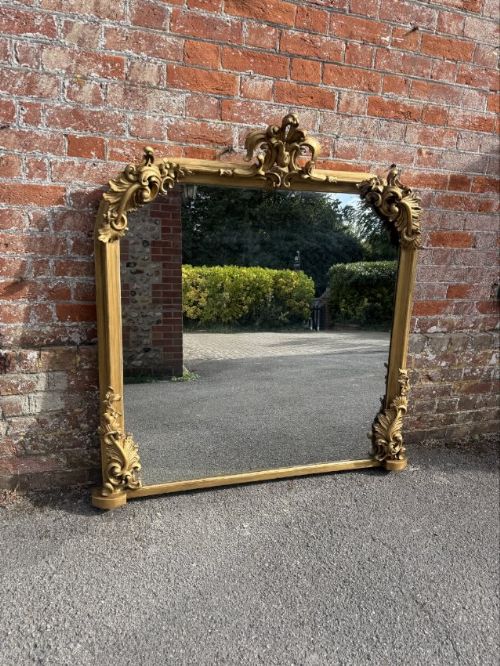
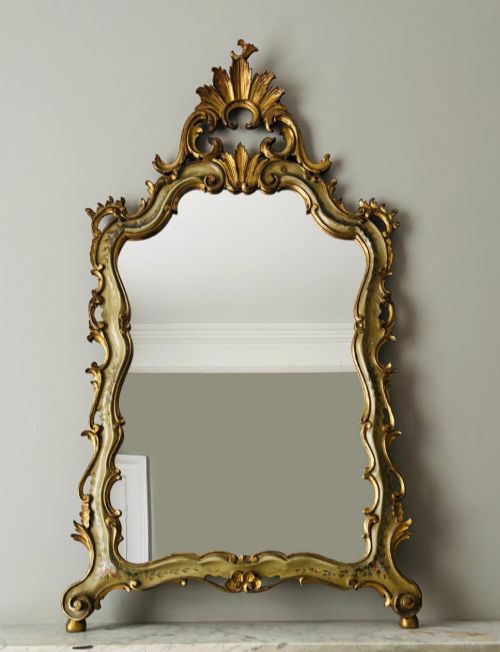
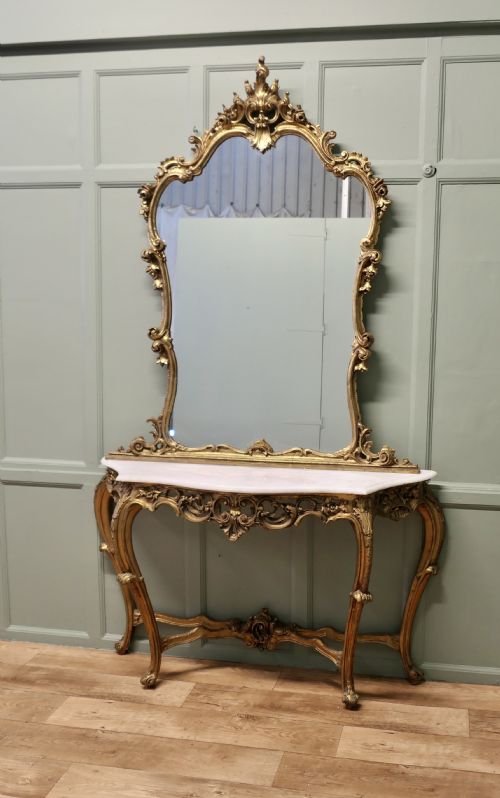
19th Century Rococo Mirror
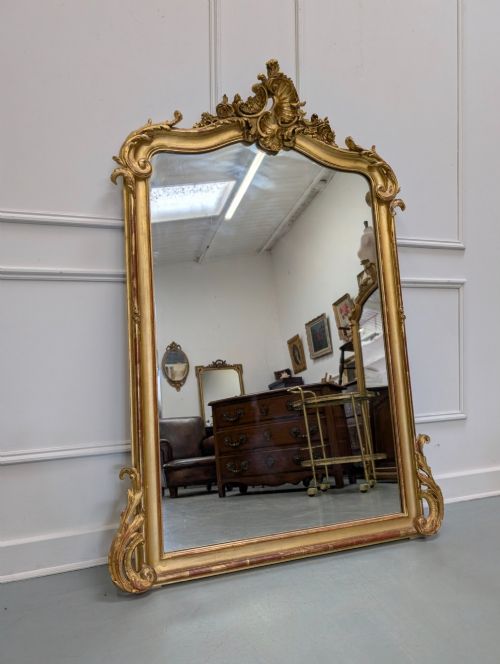
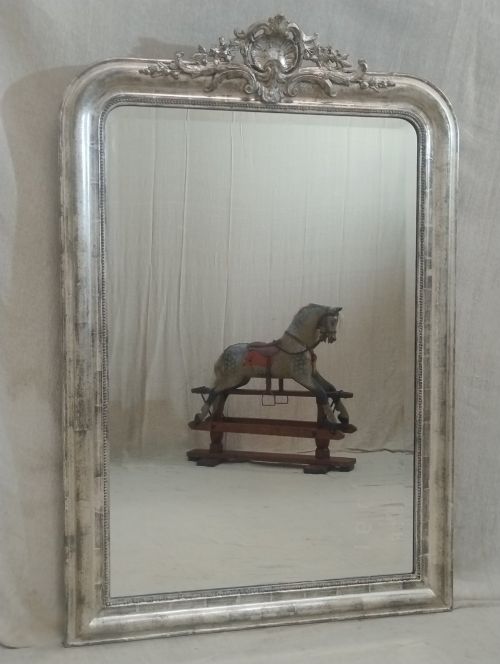
A 19th century rococo mirror brings flowing curves and elaborate gilded ornamentation into a room, reflecting both light and historical French taste.
19th Century Rococo Mirror
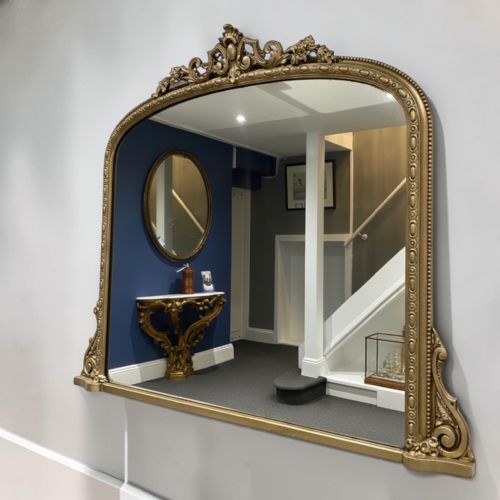
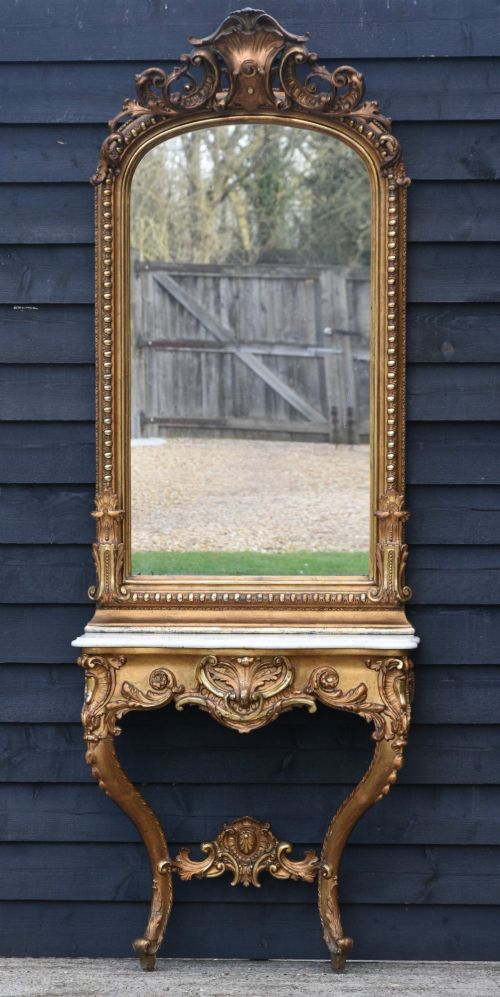
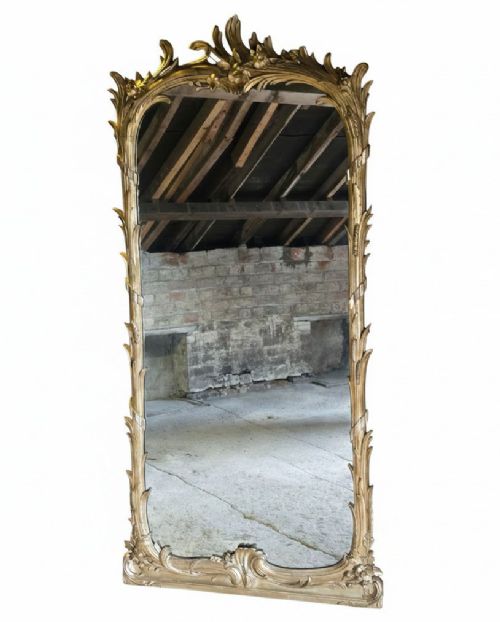
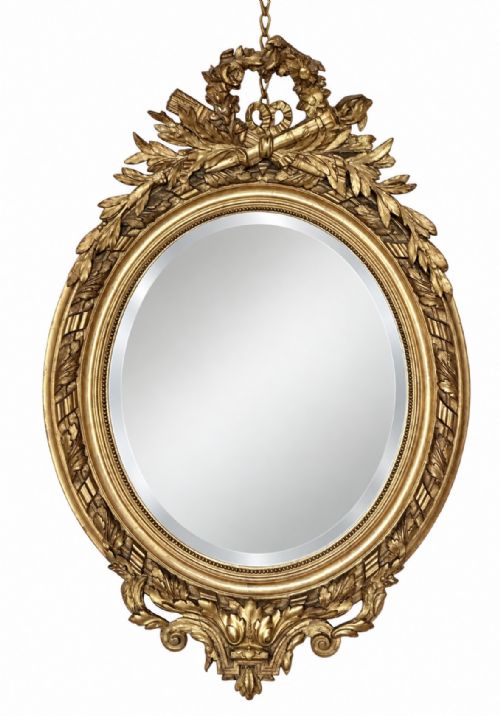
When searching for a 19th century rococo mirror, collectors encounter wall-hanging glass, overmantels designed for mantelpieces, and large pier mirrors intended for spaces between windows. These pieces originate primarily from French, English, and Italian workshops operating during the Victorian era and earlier decades of the nineteenth century.
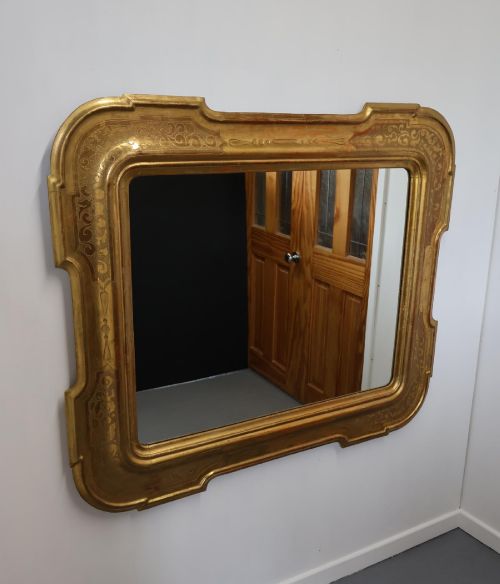
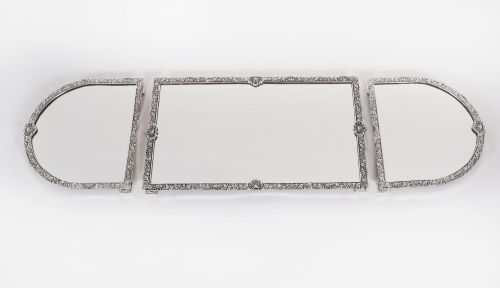
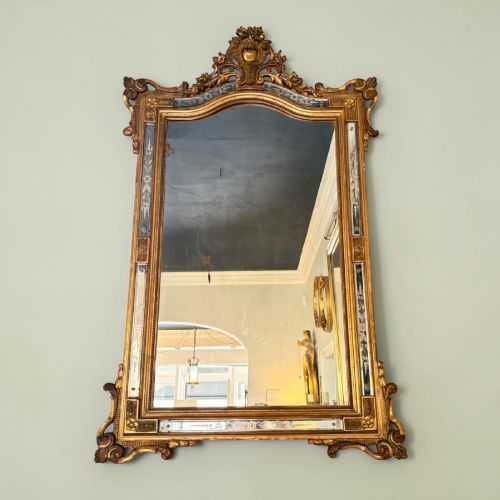
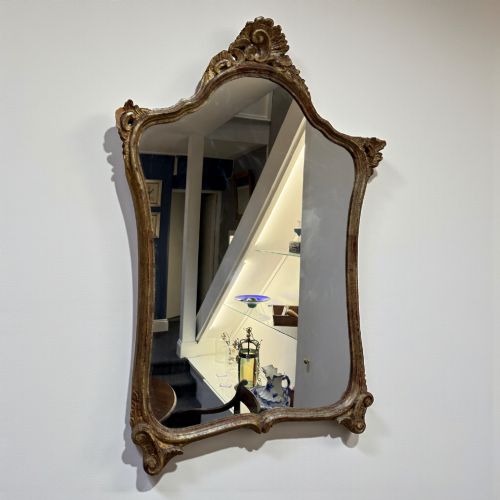
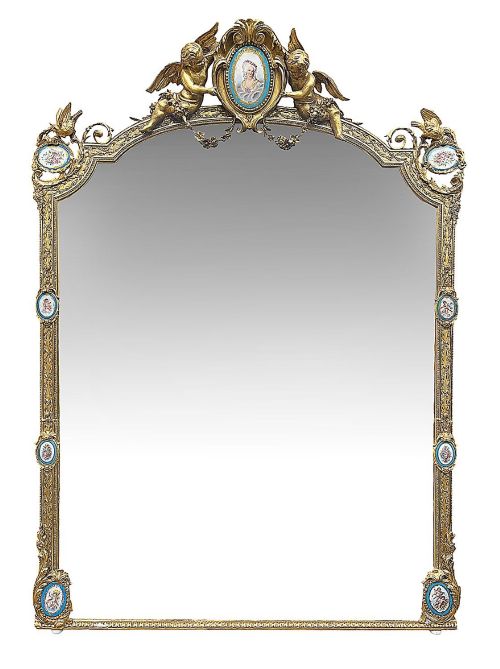
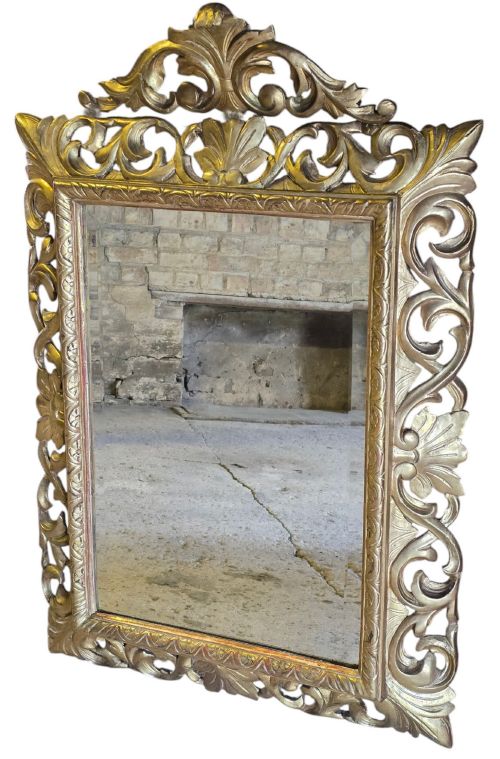
The prevailing form on this page follows the Rococo Revival or Louis XV taste, characterised by asymmetrical scrolls, C-scrolls, and naturalistic motifs such as acanthus leaves, flowers, and vines. Surviving examples range from intimate table mirrors and girandoles with candle branches to monumental architectural overmantels equipped with triple plates.
How They Were Made
Carved wooden substrates, frequently fashioned from timber or oak, receive layers of gesso to build up the intricate relief work of scrolls and foliage before gilding takes place. Artisans apply gold leaf or silver gilt directly onto the prepared surfaces, sometimes combining water gilding with burnished highlights to create textural contrast.
Cast bronze or ormolu mounts appear on specific French pieces, while mirror plates consist of traditional silvered glass, occasionally framed by composition ornaments moulded from putty-like mixtures pressed into detailed shapes.
Listings feature oak, walnut, and beech frames alongside traditional gesso, gold leaf, and mirror glass.
What Varies in Quality
The depth and crispness of the carved wood or gesso relief separate superior examples from simpler moulded pieces, as hand-carved elements display sharper undercut details and fluid asymmetry. Superior gilding utilises genuine gold leaf applied over carefully smoothed gesso, whereas lesser items rely on uniform modern metallic paints that obscure the underlying contours.
The condition and integrity of the original mirror glass also influence the standing of a piece, with heavy foxing or early replacement plates altering the visual harmony of the antique frame.
The 19th Century Rococo Mirror Glossary
- Giltwood
- Wood that has been coated with gold leaf or gold powder. This surface treatment provides the characteristic golden sheen seen on nineteenth-century frames.
- Gesso
- A plaster-like mixture applied to wooden frames as a base for gilding. It allows carvers and modellers to achieve smooth, rounded relief details.
- Overmantel mirror
- A large horizontal mirror designed specifically to hang above a fireplace mantel. These pieces often anchor the decorative scheme of a period room.
- Girandole
- A decorative wall mirror fitted with attached candle branches or sconces. The candle light reflects off the glass to illuminate the surrounding space.
- Pier mirror
- A tall mirror intended to hang on the narrow section of wall between two windows. They frequently pair with matching console tables.
19th Century Rococo Mirror: Frequently Asked Questions
Where should I hang an overmantel mirror?
These large horizontal mirrors anchor the space directly above a fireplace mantel, reflecting light across the room.
Ensure the wall fixings safely support the substantial weight of the timber and gesso frame.
How do I identify French rococo revival style?
Look for asymmetrical C-scrolls, flowing floral motifs, and shell-like cartouches inspired by Louis XV designs.
Craftsmen in the nineteenth century reinterpreted these eighteenth-century French aesthetics with vigorous carved relief.
How do I clean a gilded wood frame?
Dust the intricate carved gesso and gold leaf surfaces very gently using a soft, dry artist brush.
Avoid liquid cleaners or moisture entirely, as water strips historical water gilding from the timber.