

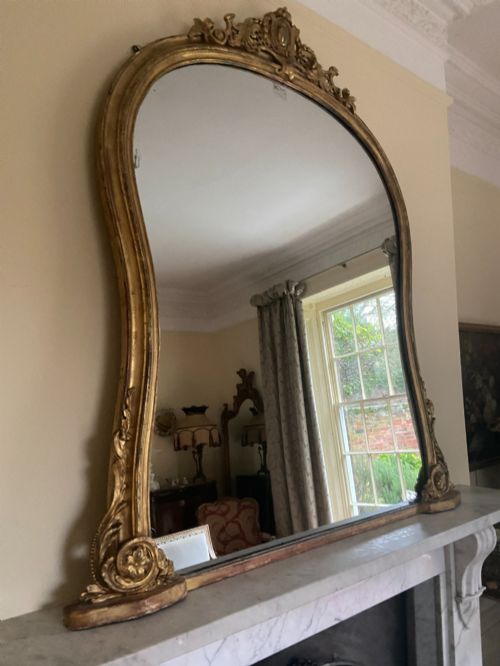
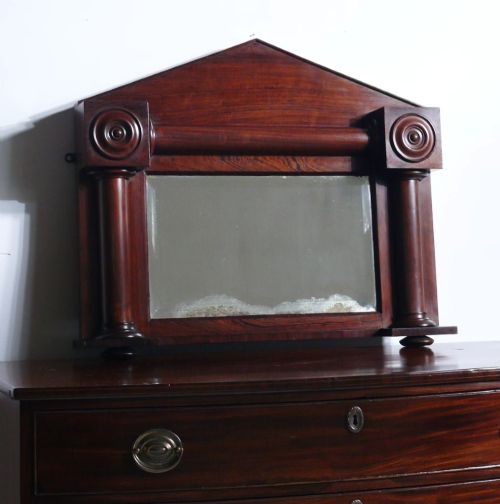
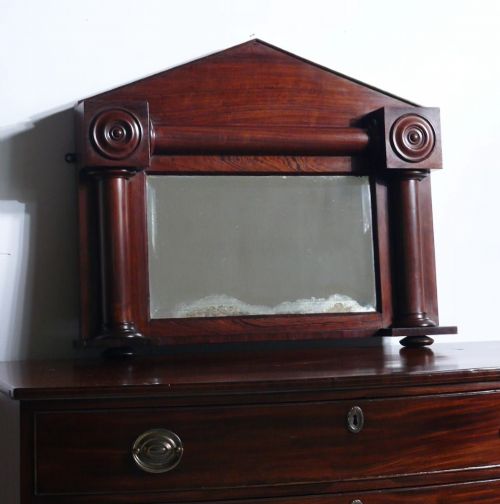


19th Century Pediment Mirror
These 19th century pediment mirror pieces offer architectural presence and reflective depth, bringing period character and proportion directly to a room.
19th Century Pediment Mirror
A 19th century pediment mirror brings architectural proportion and reflective depth to an interior space through distinctive crown ornamentation. These pieces primarily manifest as large overmantle mirrors, grand wall mirrors, and occasional dressing table variants.
The selection here draws heavily from Victorian, Regency, and Neoclassical manners, alongside Continental examples including French and Swedish works. Overmantle forms dominate the available pool, designed specifically to anchor the chimney breast.
Makers of the period utilised distinct regional styles, from French cushion frames to Swedish birchwood Biedermeier designs. Buyers frequently encounter giltwood and walnut examples featuring prominent architectural crests.
How they were made
Makers constructed the foundational carcasses of these pieces using timber such as rosewood, walnut, birchwood, and ebonised wood. Carved wood and gesso formed the basis for ornate decorative schemes, particularly on giltwood surfaces.
Gilding techniques applied thin gold leaf over prepared gesso grounds to achieve brilliant reflective finishes on the architectural pediments. Mirror glass was set within the wooden frames, occasionally accompanied by metal mounts and cut glass pediment details.
19th Century Pediment Mirror Retail Price Guide 2026
Typical asking prices for 19th century pediment mirror among the pieces listed under this phrase on Sellingantiques today, from the lower quarter to the upper quarter. They describe what is for sale here now, not the wider market.
Materials represented across the inventory feature giltwood, gesso, ebonised wood, rosewood, and mirror glass.
What varies in quality
The sharpness and depth of the carved wood and gesso ornamentation distinguish finer frames from simpler productions. Crisp execution in the neoclassical manner or intricate pediment detailing indicates superior craftsmanship.
The selection of primary timber, such as figured rosewood or burr walnut, dictates the baseline quality of the piece. Intact original gilding and high-grade mirror glass further elevate the standing of an individual mirror.
The 19th Century Pediment Mirror Glossary
- Pediment
- The triangular or decorative architectural crown crowning the top of the mirror frame. This element draws directly from classical building design.
- Overmantle mirror
- A large horizontal mirror designed specifically to hang on the wall directly above a fireplace mantelpiece. These pieces often feature prominent pediments to fill tall chimney breasts.
- Giltwood
- Timber that has been coated with a thin layer of gold leaf. This finish creates the bright, reflective metallic surfaces seen on many period frames.
- Gesso
- A plaster-like mixture applied to wood frames to create a smooth surface for gilding or deep relief carving. It allows for intricate decorative mouldings.
- Pier glass
- A tall mirror designed to be hung on the pier of wall space between two windows. These vertical glasses reflect additional light into the room.
- Biedermeier
- A Central European style from the nineteenth century prioritising clean lines and domestic comfort over heavy ornamentation. Birchwood is frequently utilised within this aesthetic.
19th Century Pediment Mirror: Frequently Asked Questions
Where should a 19th century pediment mirror be hung?
These mirrors traditionally sit above a fireplace mantelpiece as an overmantle, anchoring the vertical space of a chimney breast. They also function effectively on principal walls in reception rooms to amplify natural light.
Positioning requires secure wall fixings due to the substantial weight of timber, gesso, and glass. Ceiling height and room proportions dictate the ideal scale of the chosen pediment frame.
How do I identify a Neoclassical style mirror?
Neoclassical pieces display symmetrical architectural motifs, straight lines, and classical restraint drawn from ancient Greek and Roman design. Pediments often incorporate urns, swags, or dentil moulding rather than heavy rococo scrolls.
Swedish and English makers frequently applied this manner to giltwood wall mirrors during the nineteenth century. The resulting frames project an ordered and dignified visual weight.
Are dressing table mirrors different from overmantle mirrors?
Dressing table mirrors are built on a smaller domestic scale, frequently accompanied by trinket drawers for personal storage. They sit upon furniture surfaces rather than anchoring large architectural walls.
Overmantle mirrors span much wider dimensions to dominate a fireplace setting. Both share nineteenth century construction methods, but their intended domestic functions dictate their varying proportions.
What distinguishes Biedermeier mirrors from other types?
Biedermeier mirrors emphasise warm honey tones of birchwood and minimal surface distraction. The focus rests entirely on the natural grain of the timber rather than applied gilding or heavy carved gesso.
Originating in nineteenth century Northern and Central Europe, these pieces suit understated interiors. Their pediments remain simple and geometric compared to ornate giltwood overmantles.