

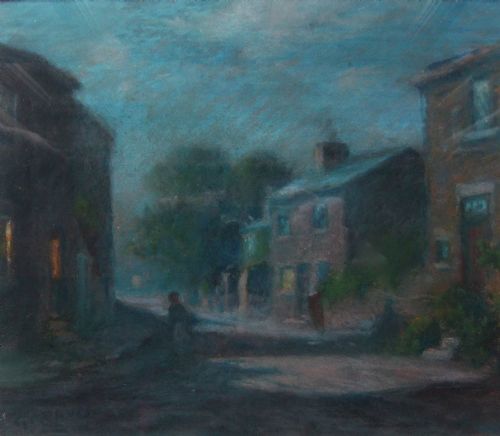


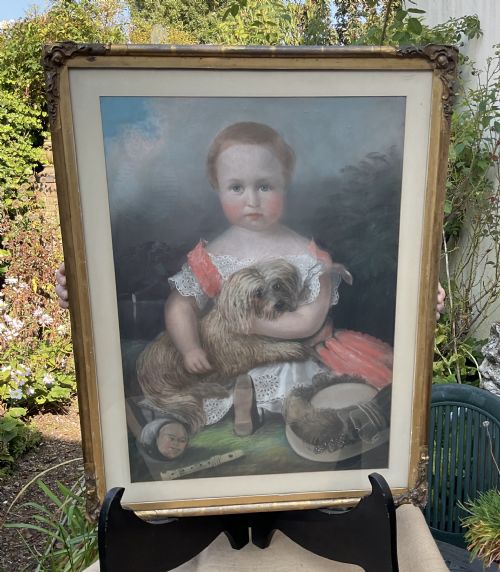

19th Century Pastel Painting
A 19th century pastel painting brings a soft, powdered depth to a room through delicate layers of coloured pigment.
19th Century Pastel Painting
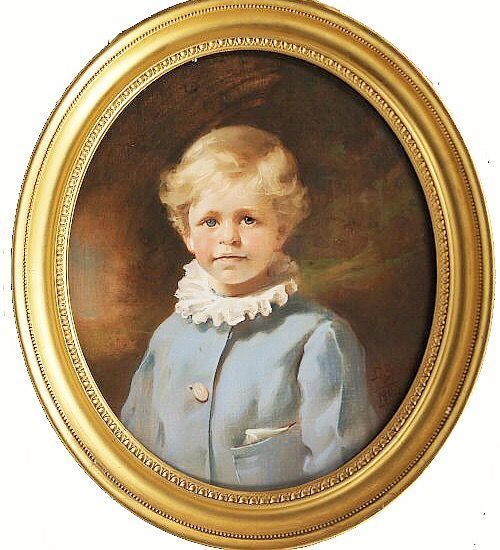
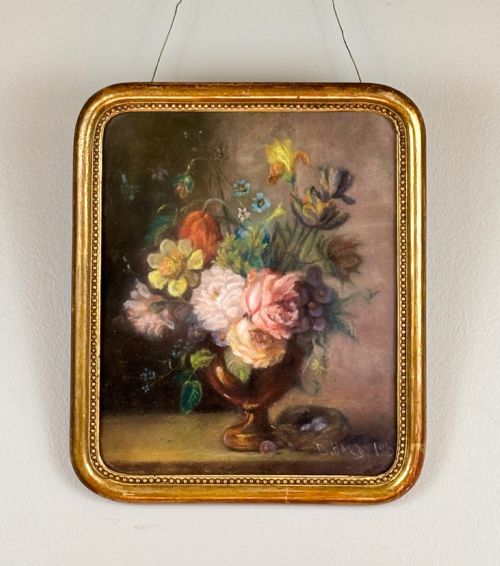
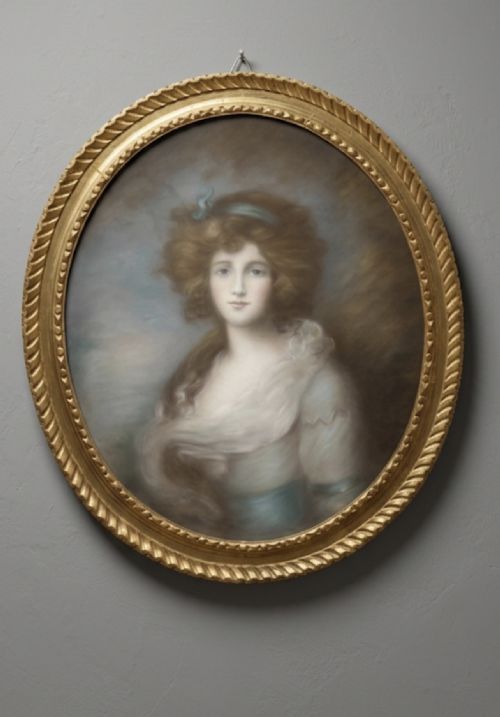
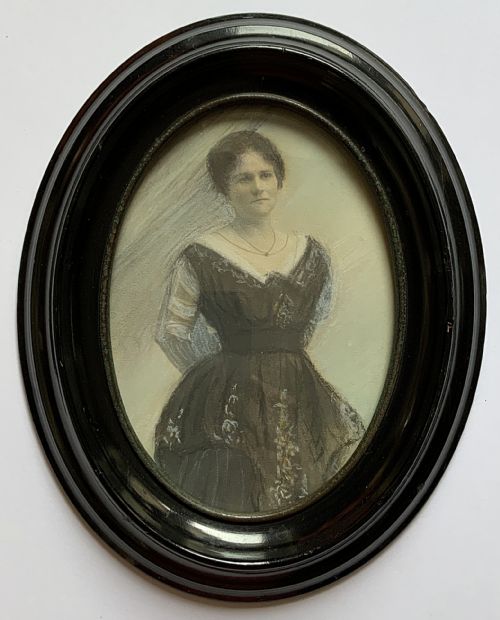
A 19th century pastel painting captures likenesses and scenes with a velvety matte surface that sets it apart from heavier oils. Buyers searching for a 19th century pastel painting will encounter portraits of ladies and gentlemen, coastal landscapes, and still lifes from various decades.
The material takes many forms on this page, appearing as oval portraits on paper, landscapes with deer under glass, and works combined with gouache or watercolour. Many pieces hail from French and English schools, reflecting both Regency elegance and Victorian sentimentality.
Portraits dominate the selection, often framed in giltwood or gilt wood that enhances the glowing colours of the medium. Alongside traditional drawings on paper, the listings also reveal works on canvas and porcelain figures that share the same period aesthetic.
How they were made
Artists applied dry pigments bound with gum directly onto paper or canvas, building up tones with chalk-like strokes. This friable medium required protection under glass to prevent the loose particles from smudging.
Makers often framed these delicate works in ornate giltwood moulding, sealing the back to keep dust and moisture away from the fragile surface.
19th Century Pastel Painting Retail Price Guide 2026
Typical asking prices for 19th century pastel painting among the pieces listed under this phrase on Sellingantiques today, from the lower quarter to the upper quarter. They describe what is for sale here now, not the wider market.
Listings feature paper, glass, porcelain, giltwood, and enamel, spanning Victorian, Regency, and Georgian periods.
What varies in quality
The handling of light and facial expression marks the distinction between a competent draughtsman and a master hand. Superior pieces retain the crisp vibrancy of the original pigment without heavy fading or excessive disturbance from past repairs.
The quality of the enclosing frame and the preservation of the protective glass layer contribute significantly to the overall integrity of the surviving work.
Leon Sprinck·D Hardy·Thomas Gainsborough·Joseph Knight·William Greaves·J Bizo·John Raphael Smith·Robert Faulkner·Josiah Gilbert·Gaston Bouy·Henry Bright
The 19th Century Pastel Painting Glossary
- Pastel
- A dry painting medium composed of powdered pigment and a binder, shaped into sticks for drawing. It yields rich, velvety colours that sit directly on the support.
- Giltwood
- Wood carved and covered with a thin layer of gold leaf or gesso gilding. It provides a bright, reflective border for fine works on paper.
- Gouache
- An opaque water-based paint often used alongside pastel to add solid highlights and dense opaque details. It gives mixed media works a varied textural finish.
- Miniature painting
- A small-scale portrait or scene executed with fine precision. These portable works frequently feature delicate facial detailing under glass.
19th Century Pastel Painting: Frequently Asked Questions
Why are pastels often framed under glass?
Because the pigment is bound lightly without a heavy oil vehicle, it remains vulnerable to touch and air currents. Glass creates a protective seal that stops the powdery medium from flaking off the paper.
This barrier also prevents atmospheric dust and smoke from settling into the porous texture of the pigment layers.
Are pastels different from watercolours?
Watercolours utilise transparent washes of pigment suspended in a water-soluble binder, soaking into the fibres of the paper. Pastels apply dry, opaque pigment straight onto the surface, creating a velvety texture.
Artists occasionally combined both mediums on a single sheet, as seen in mixed media works from the period.
How can I date an antique pastel?
Dating relies on stylistic clues in the sitter's costume, the hairstyle, and the framing materials. Inscriptions on the reverse or visible signatures from recorded artists also help anchor the creation period.
The paper stock and backing boards often provide further physical evidence of the era.