



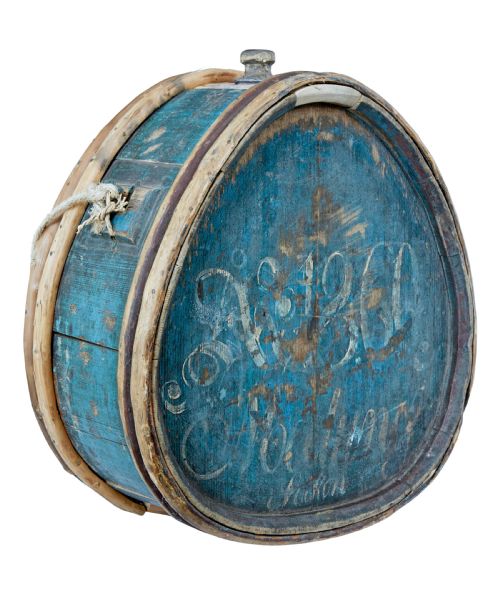
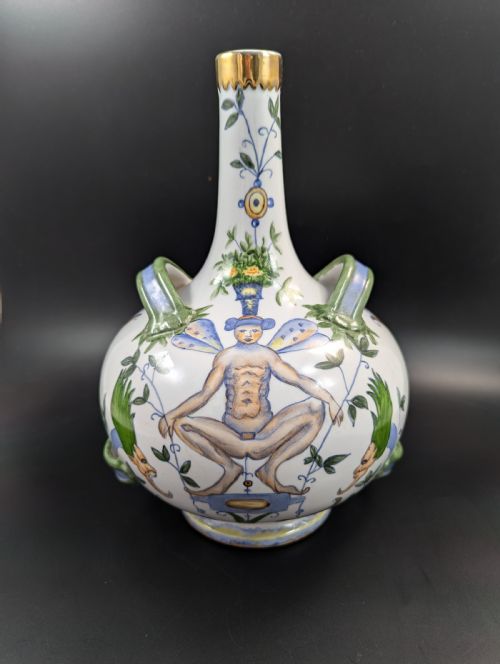


19th Century Painted Flask
These 19th century painted flask pieces unite European porcelain and Asian ceramic traditions in portable, decorated vessels designed to hold liquids or powders.
19th Century Painted Flask
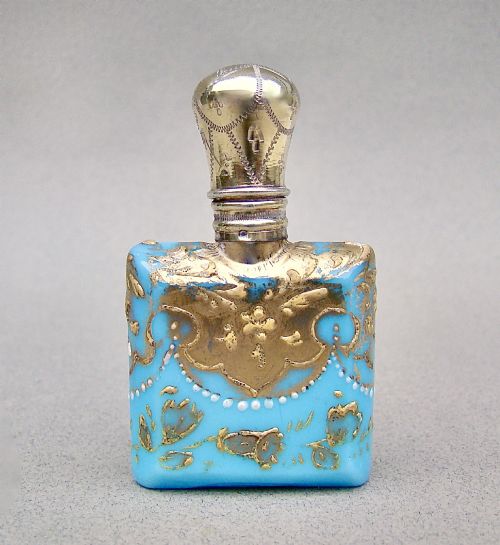
A 19th century painted flask encompasses a diverse array of small ceramic vessels, including snuff bottles, perfume bottles, rose water sprinklers, and decorative pilgrim flasks. The selection bridges English, French, Austrian, Swedish, Kashmiri, and Chinese craftsmanship from the Regency, Victorian, and Qing Dynasty periods.
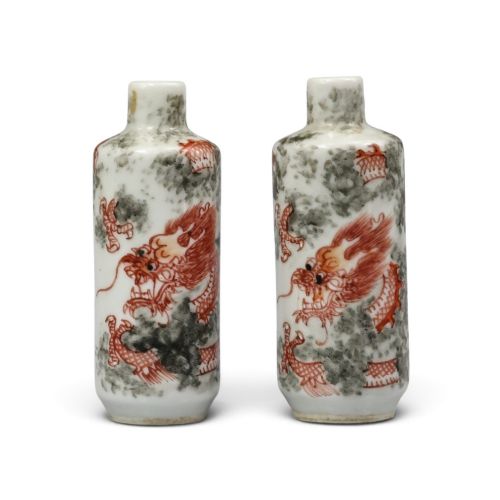
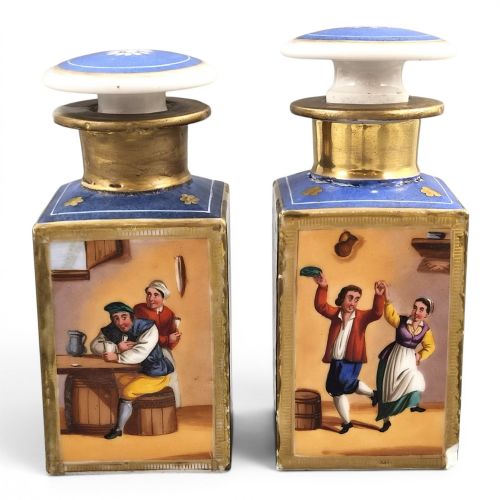
Snuff bottles dominate the Asian examples, often rendered in hard-paste porcelain with detailed hand-painted figures, dragons, and narrative scenes. European pieces tend towards porcelain and faience, featuring gilt accents, armorial motifs, and landscape or figural panels.
How they were made
The pieces rely on hard-paste porcelain, enamel, and faience as body materials, shaped into vessels, bottles, and twin-handled pilgrim forms. Artisans applied cobalt oxide, iron-red pigments, and glazes before firing the ceramics to fix the colours.
Surface ornamentation frequently incorporates gold leaf and intricate gilding alongside the painted scenes. Signed works and factory productions point to specialised hand-painting techniques executed across European porcelain houses and Chinese imperial kilns.
19th Century Painted Flask Retail Price Guide 2026
Typical asking prices for 19th century painted flask among the pieces listed under this phrase on Sellingantiques today, from the lower quarter to the upper quarter. They describe what is for sale here now, not the wider market.
The listings combine Chinese Qing Dynasty snuff bottles with European porcelain pilgrim flasks, decorative ceramics, and enamel decanters.
What varies in quality
Quality rests on the precision and fineness of the hand-painted decoration, ranging from simple folk art applications to intricate figurative scenes attributed to specific artists or notable potteries. The crispness of the gilding and the purity of the porcelain body further distinguish standard production items from exceptional workshop pieces.
The sophistication of the form, such as the balanced execution of double handles on pilgrim flasks or the minute detail within narrative panels, signals the maker's skill. Historical attribution to established factories or specific imperial periods also shifts the standing of individual vessels.
Flight Barr And Barr·Royal Worcester·Jacob Petit·Coalport
The 19th Century Painted Flask Glossary
- Pilgrim flask
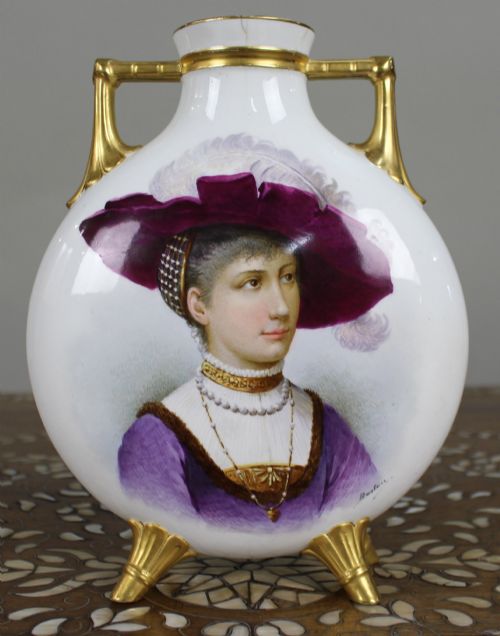
- A flat-sided bottle or vessel originally designed for travellers to carry liquids on journeys. In the nineteenth century, these forms were adapted into decorative porcelain mantel pieces and vases.
- Famille rose
- A major palette of Chinese ceramic enamels introduced in the Qing dynasty, characterised by an opaque pink or purple colour mixed from gold. The style appears frequently on nineteenth-century porcelain snuff bottles.
- Faience
- Tin-glazed earthenware produced in Europe, often featuring hand-painted designs on a milky-white background. French examples from the nineteenth century display regional armorial motifs and domestic forms.
- Gilt
- A thin layer of gold applied to the surface of porcelain or metal to highlight handles, rims, and painted details. It elevates the decorative contrast against glazed blue or white grounds.
19th Century Painted Flask: Frequently Asked Questions
How do I identify the period of a painted flask?
Dating relies on stylistic markers associated with the Regency, Victorian, and Qing Dynasty periods, such as specific colour palettes, floral borders, and figural costumes. Reign marks on Chinese porcelain or factory backstamps on European pieces provide direct chronological clues.
The integration of specific styles like French Restoration or Late Victorian aesthetic movement further narrows the date of manufacture.
Are these flasks fragile for daily use?
Most of these pieces are constructed from porcelain, enamel, or earthenware with delicate hand-painted surfaces and gold leaf accents. They are intended primarily for display and collection rather than practical everyday handling.
Careful placement away from high-traffic areas protects the delicate glazes and applied gilding from accidental wear.
What is the difference between Chinese and European flasks?
Chinese pieces from this category are predominantly small snuff bottles decorated with narrative scenes, dragons, or figures like Shoulao utilising iron-red and famille rose palettes. European flasks typically take the form of larger perfume bottles, double-handled pilgrim vases, or faience vessels featuring armorial designs or gallant scenes.
The materials and firing techniques reflect the distinct traditions of Asian imperial kilns and European porcelain manufactories.