


19th Century Oil
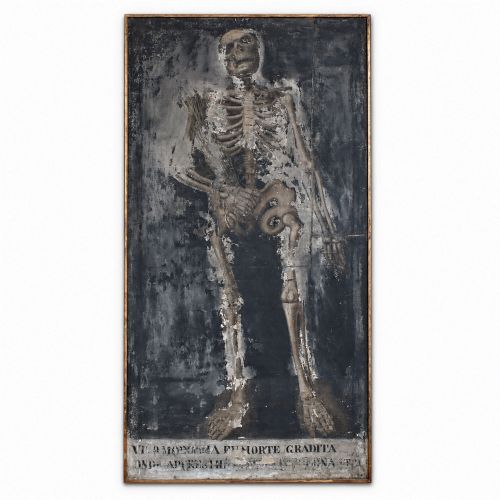
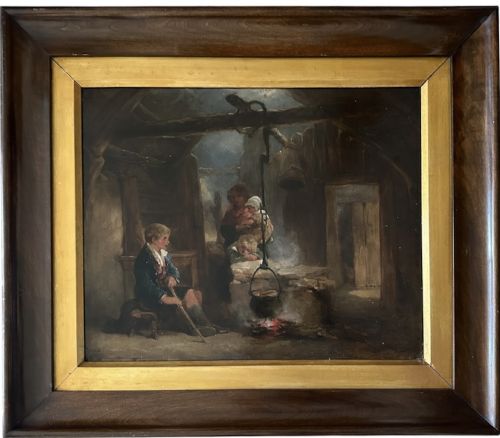
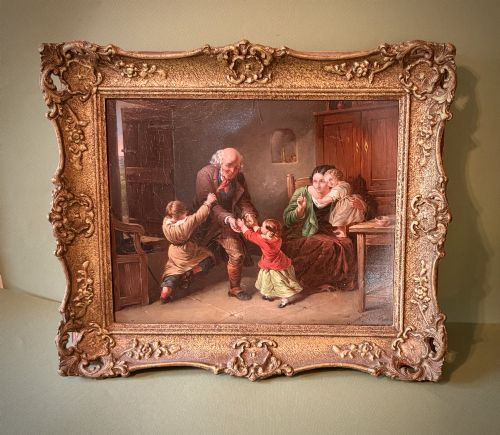
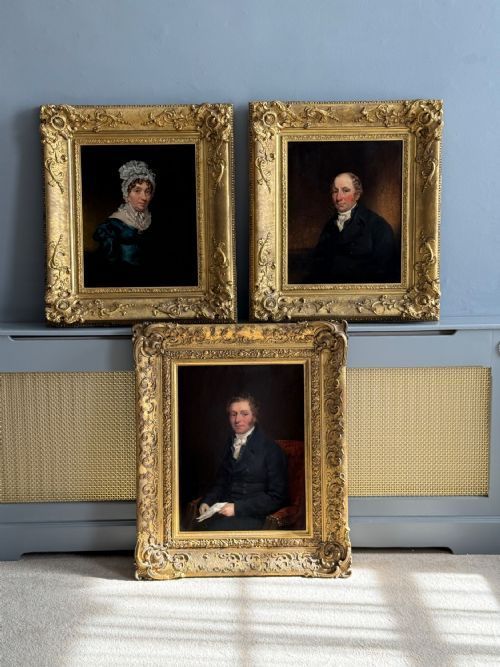
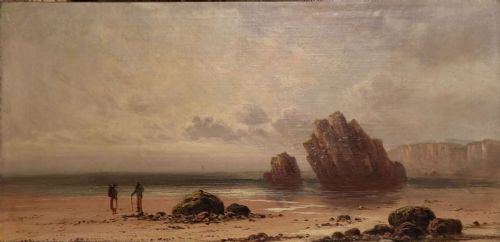
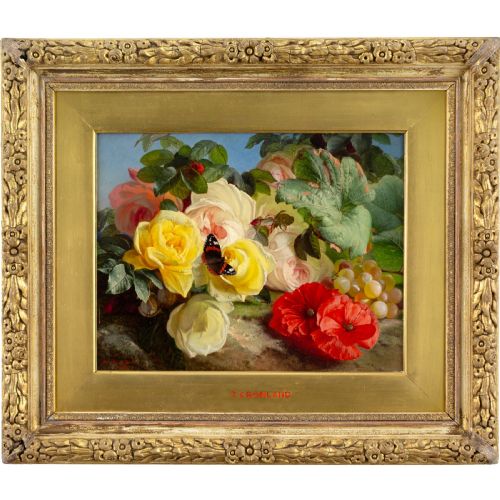
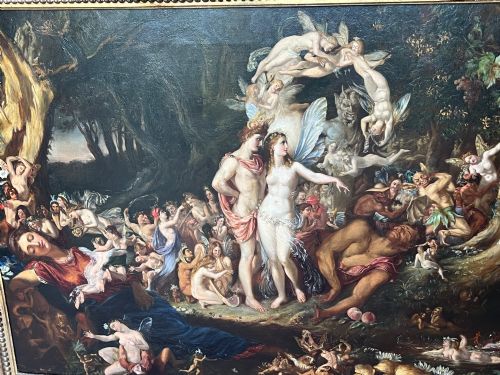
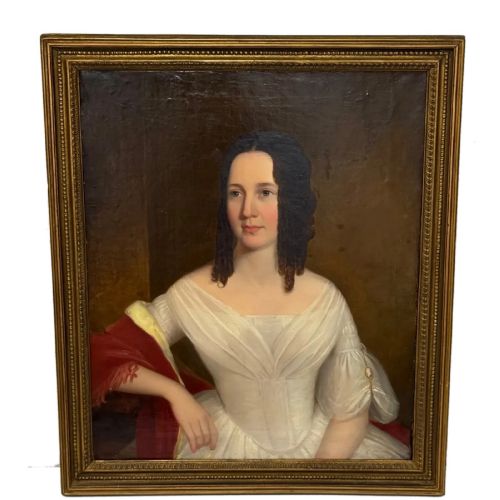
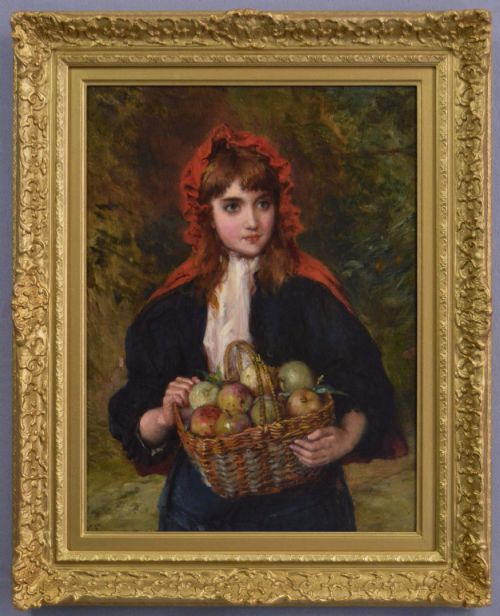
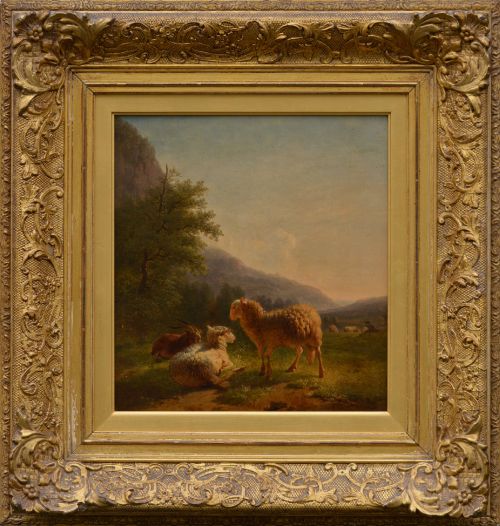
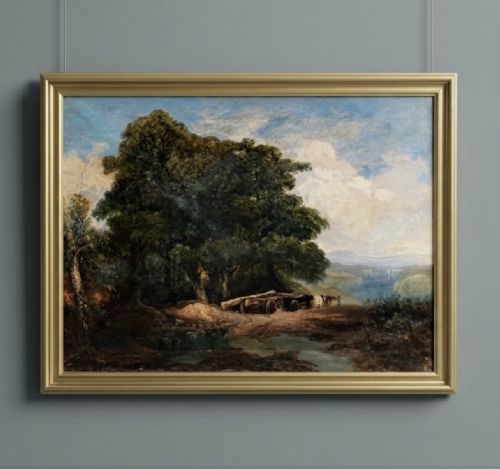
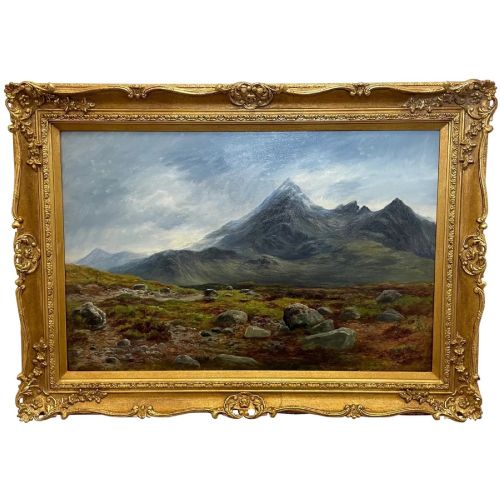
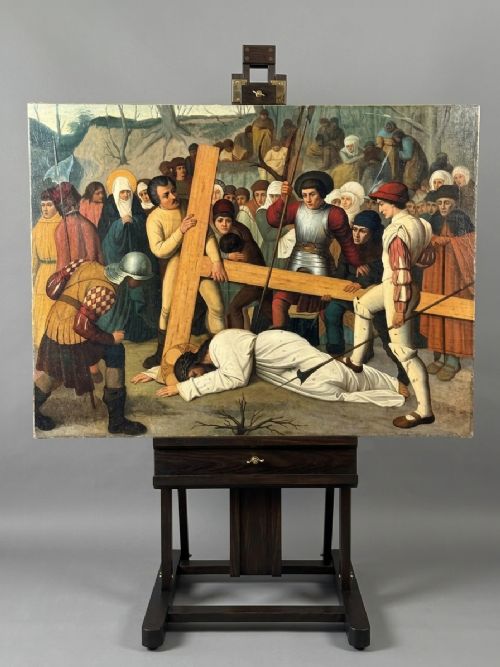
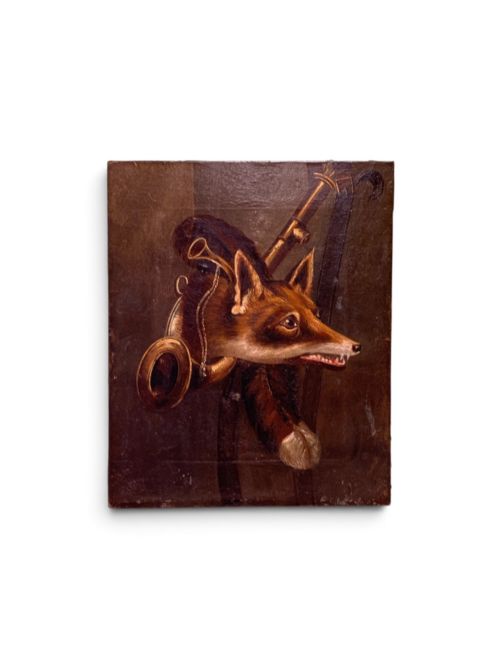
These 19th century oil paintings and artefacts capture historical portraiture, landscapes, and domestic scenes executed with rich pigments.
19th Century Oil
A buyer examining 19th century oil works encounters a diverse selection of framed canvases, wood panels, and occasional lighting devices from the period. These items span portraits of notable figures, pastoral landscapes, maritime harbours, and detailed still lifes depicting flora and fauna.
The most common formats on this page are oil paintings on canvas or board, created by British, French, and European schools. Alongside fine art, related objects such as period oil lamps and wall mirrors occasionally appear within the broader category.
Materials and construction methods
Artists of the period applied oil paint composed of ground pigments suspended in drying oils onto stretched canvas, prepared wooden panels, or board supports. These painting surfaces were frequently housed within decorative giltwood frames finished with gesso and gold leaf.
Lighting apparatus from the era utilised brass and bronze components, shaped through casting and metalwork techniques to hold liquid fuel and wicks.
Common subjects include pastoral landscapes, maritime scenes, and detailed botanical still lifes.
Factors influencing quality
Quality in these works rests upon the precision of the brushwork, the anatomical or spatial accuracy of the composition, and the expressive handling of light and shadow. Master artists achieved depth and texture that lesser hands failed to capture.
The preservation of the original paint layer without extensive overpainting or destabilisation distinguishes superior examples from those compromised by aggressive past restoration.
Joseph Clover RA·Henry Barraud·Theude Grönland·Sir Joseph Noel Paton·Eugène Verboeckhoven·Richard Sebastian Bond·William Beattie-Brown·John Maler Collier·Frederick Marriott·Arthur Joseph Meadows
The 19th Century Oil Glossary
- Canvas
- A closely woven fabric stretched across a wooden frame to serve as a painting support.
- Gesso
- A plaster-like mixture applied to wood panels or frames to prepare a smooth surface for gilding or painting.
- Panel
- A flat piece of wood used as a rigid alternative to canvas for oil painting.
- Giltwood
- Wood carved and coated with gold leaf or metallic powder to create a reflective golden finish.
- Provenance
- The documented history of ownership that traces a piece from its creation to the present day.
19th Century Oil: Frequently Asked Questions
What lighting is best for oil paintings?
Display these works away from direct sunlight to prevent the fading of pigments and the yellowing of varnish. Controlled, low-UV picture lights highlight the details safely.
Ambient room lighting paired with UV-filtered glass offers optimal protection.
How are canvas paintings dated?
Dating relies upon stylistic analysis, artist signatures, and the physical characteristics of the canvas and stretcher frame. Historical records and exhibition labels attached to the reverse provide further verification.
Examine the nails and preparation methods for period consistency.
Can oil lamps be restored for use?
Many period oil lamps retain their structural integrity and can be cleaned and fitted with new wicks. Consult a specialist to ensure the fuel mechanisms remain safe for operation.
Wiring them for modern electrical display is another common conversion option.