





19th Century Necklace
A 19th century necklace brings together hand-carved gemstones, intricate metalwork and historic materials that define the period's distinct aesthetics.
19th Century Necklace
Beyond standard gold chains, the listings incorporate versatile hybrid pieces that function as both pendants and brooches. Many incorporate specific revival styles, drawing heavily on Renaissance, Ottoman and Egyptian aesthetics popular during the latter half of the century.
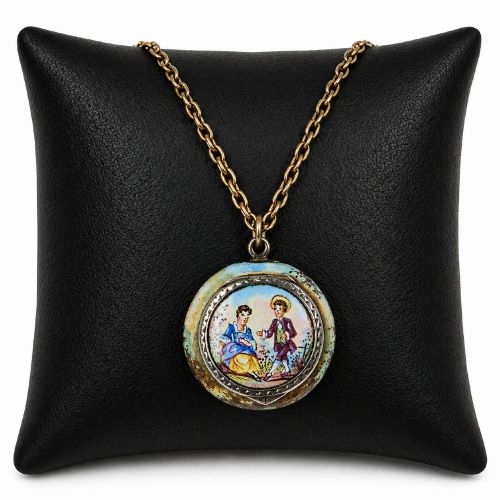
The materials vary widely from natural saltwater pearls and coral beads to heavy Whitby jet and multi-gem Austro-Hungarian creations. Alongside traditional necklaces, buyers also find mourning lockets, longuard chains and detailed portrait miniatures.
Materials and construction
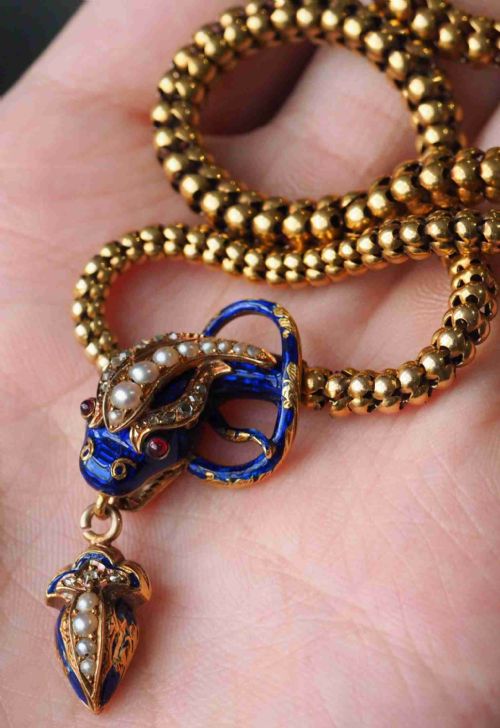
Metals such as 18K gold, 9K gold and silver form the structural foundation of these pieces, often combined to securely set diamonds, rubies, sapphires and turquoise. Goldsmiths utilised traditional casting and hand-carving techniques to shape detailed motifs like acanthus leaves and animal serpents.
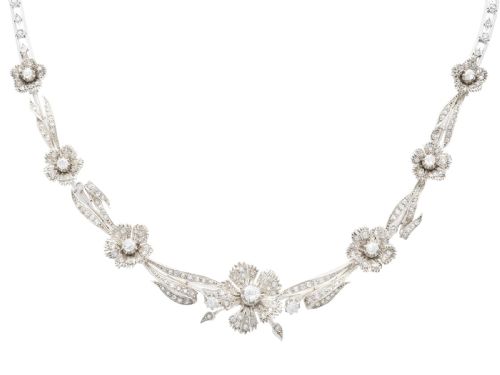
Enamel work and micro-mosaic inlays add vibrant colour to silver and gold frameworks, particularly in Viennese and French pieces. Gemstones are frequently rose-cut or old mine-cut, held in closed-back or open-back settings characteristic of nineteenth-century jewellery production.
Listings feature yellow gold, silver, and platinum alongside organic materials like Whitby jet, coral, and natural pearls.
Assessing quality in period pieces
The distinction between standard examples and top-tier items rests on the precision of the hand-carving and the integrity of the gemstones. Superior pieces display master gemstone matching, secure prong or collet settings and undamaged enamel or micro-mosaic work.
Makers focused significant attention on the articulation of flexible elements, such as snake link chains and multi-tiered clusters, ensuring smooth movement. Weight, substantial gold content, and the presence of original components further separate exceptional survivals from ordinary items.
The 19th Century Necklace Glossary
- Collet setting
- A metal collar that encircles the girdle of a gemstone to hold it in place. This technique is frequently observed in early nineteenth-century jewellery.
- Micro-mosaic
- Tiny coloured glass tesserae assembled to form intricate pictorial scenes. These are commonly found in Italian pieces from the period.
- Longuard chain
- A long necklace designed to hold a watch or locket, popular during the Victorian era. They often incorporate decorative sliding elements.
- Repoussé
- A metalworking technique where the artisan hammers the design from the reverse side to form a raised relief on the front. It appears frequently in revivalist metalwork.
19th Century Necklace: Frequently Asked Questions
How do I care for a Victorian necklace?
Historic jewellery requires gentle maintenance, avoiding harsh chemical dips or ultrasonic cleaners that can damage soft stones like turquoise, coral and pearls.
Store each piece individually in a soft pouch to prevent scratching, and consult a specialist conservator for any repairs to antique settings.
Were these necklaces worn daily?
Many nineteenth-century pieces served as daily adornments for the affluent, while heavier multi-gem items and elaborate lockets were reserved for formal evening wear.
Mourning jewellery held specific sentimental significance and was worn regularly by the bereaved following societal protocols of the period.
How can I tell the period?
Dating relies on examining the metal alloys, clasp types, gemstone cuts and stylistic motifs characteristic of Georgian, Regency or Victorian eras.
Construction methods often reveal whether a piece originates from early, mid or late nineteenth-century workshops.
Can these be worn as brooches?
Several listed items feature dual fittings that allow a single piece to function as both a pendant on a chain and a brooch.
This versatility was common in the nineteenth century, maximising the utility of expensive gemstone assemblies.