

19th Century Model
When you search for a 19th century model, you encounter miniature architecture, maritime dioramas, and Grand Tour antiquities built to capture the imagination.
19th Century Model
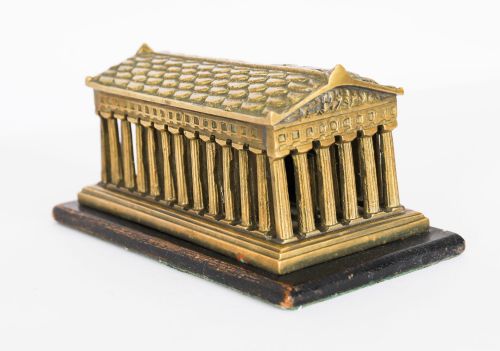
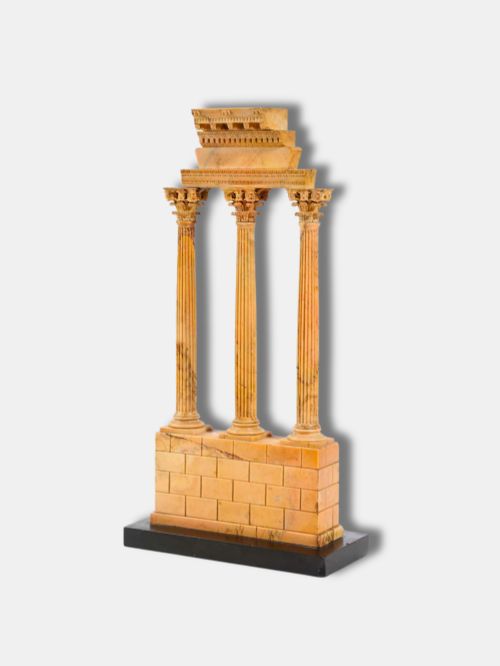
A 19th century model encompasses a diverse array of objects, from architectural representations of Roman temples to intricate maritime dioramas and folk art carvings. Buyers seeking these items will find pieces spanning from the Regency period through the late Victorian era.
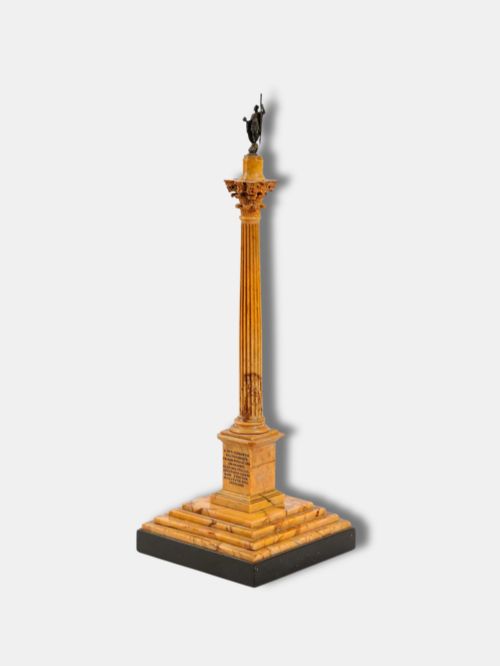
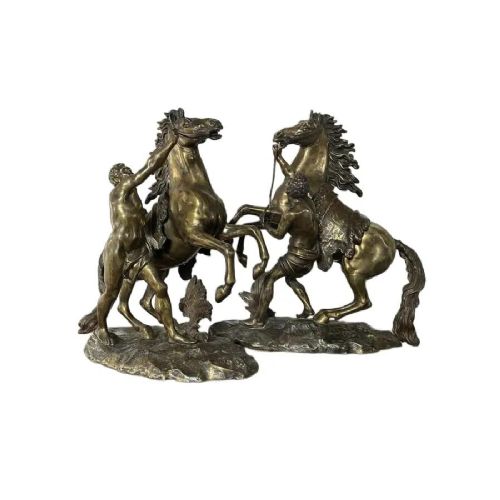
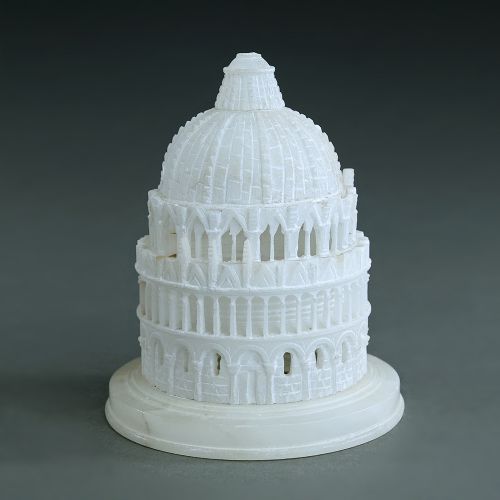
Grand Tour souvenirs form a significant portion of these listings, often rendered in marble or bronze to emulate classical Italian monuments and sculptures. Alongside these, maritime items such as ship models in bottles and cased sailing vessels appear frequently.
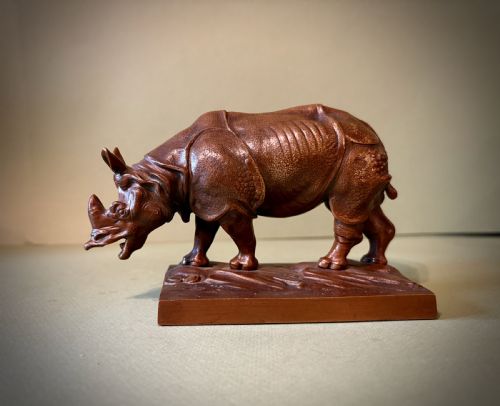
Folk art and engineering specimens also populate the category, including carved wooden hulls, naive animal sculptures, and miniature divers' helmets. Each object reflects the specific functional or decorative intent of its maker during the nineteenth century.
Materials and construction methods
Makers utilised a wide array of natural materials, combining hardwoods, metals, and stone to achieve realistic textures and durable structures. Bronze casting and marble carving predominate in Grand Tour souvenirs, while wood, paint, and shell work define the folk art and diorama pieces.
Maritime and architectural models often incorporate mixed media, gluing and pinning textiles, bone, and glass within cased wooden frames. Metal components, such as cast iron and brass, appear in operational items like signal cannons and engineering miniatures.
19th Century Model Retail Price Guide 2026
Typical asking prices for 19th century model among the pieces listed under this phrase on Sellingantiques today, from the lower quarter to the upper quarter. They describe what is for sale here now, not the wider market.
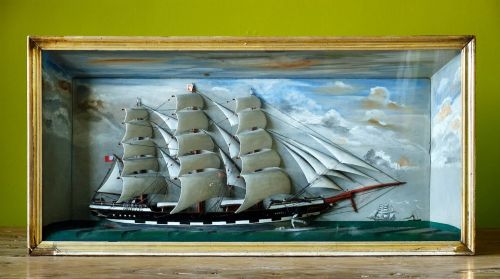
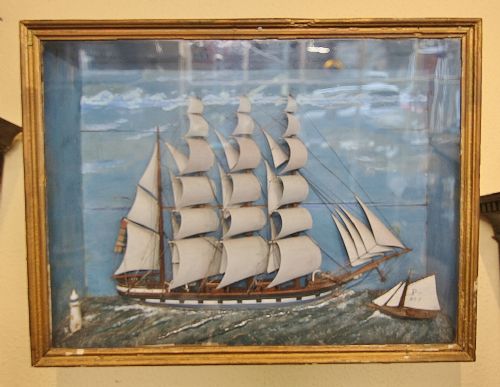
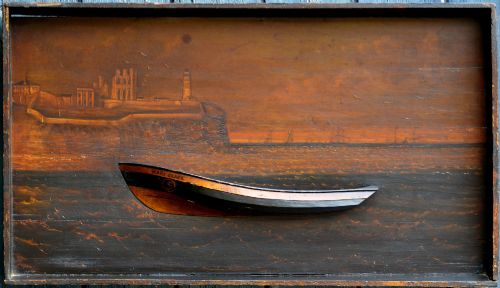
Maritime objects in the inventory span cased sailing ship dioramas, wooden boat hulls, and a miniature diver's helmet.
Distinctions in craftsmanship and execution
Quality in a 19th century model rests on the precision of the carving, the fidelity of the reduction from the original subject, and the preservation of delicate structural elements. Superior examples display meticulous detail in secondary components like rigging, lettering, or architectural masonry.
The selection of raw materials dictates the upper tier of the range, evidenced by fine marbles such as Giallo Antico and Siena, or master bronze casting. Poorer execution shows in heavy-handed painted finishes, crude joins, and the loss of constituent parts over time.
Henry Dasson·Mathurin Moreau·Pierre Lenordez·Delabrierre·Luigi Secchi
The 19th Century Model Glossary
- Grand Tour
- A cultural journey undertaken by wealthy young Europeans in the eighteenth and nineteenth centuries to study classical antiquities. Souvenirs purchased on these trips included miniature bronze and marble architectural models.
- Diorama
- A three-dimensional scene enclosed in a box or case, frequently depicting maritime battles or sailing ships at sea. These models often combined painted backgrounds with physical objects and natural materials.
- Lay figure
- An articulated wooden mannequin used by artists to study human anatomy and drapery for paintings. These figures feature moving joints secured by pegs or wire.
- Serpentine
- A compact, dark green rock often polished and used for carving architectural models and decorative sculptures. It mimics the appearance of certain antique stones.
- Coble
- A traditional type of open fishing boat native to the north-east coast of England. Half models of these vessels record local maritime history.
19th Century Model: Frequently Asked Questions
How were ship dioramas displayed?
Ship dioramas were typically housed in shallow wooden cases with glazed fronts to protect the delicate rigging and painted backgrounds from dust and damage. The interior combined painted canvas or paper with physical elements like carved wooden hulls and thread rigging.
They were designed to hang on walls or sit on mantelpieces, preserving a moment of maritime activity within a domestic interior.
What materials are common in architectural models?
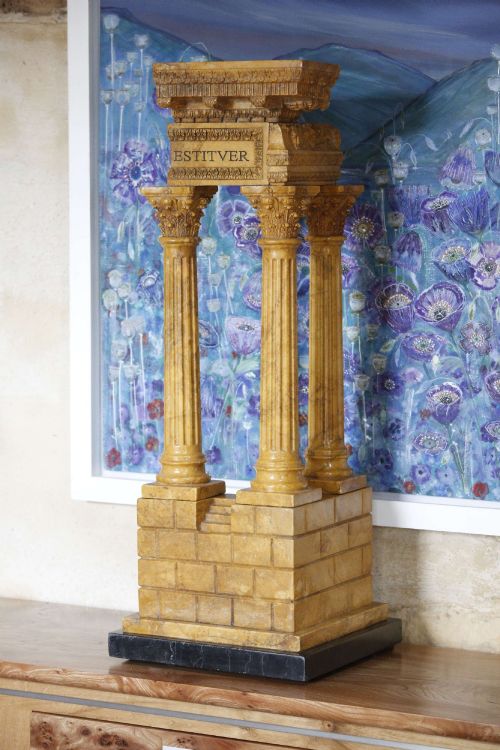
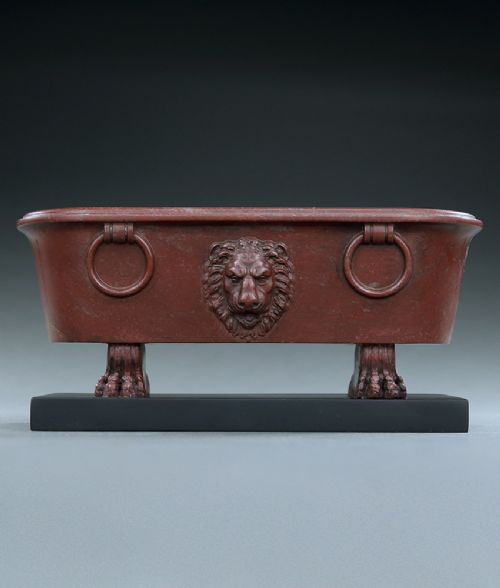
Architectural models from this period frequently utilise imported decorative stones and marbles, including Giallo Antico, Siena, and Marmo Rosso. These stones mirrored the polychrome surfaces of ancient Roman temples and columns.
Cast bronze and gilt bronze were also employed for architectural reductions, offering durability and fine detail for smaller souvenir pieces.
How do you identify folk art models?
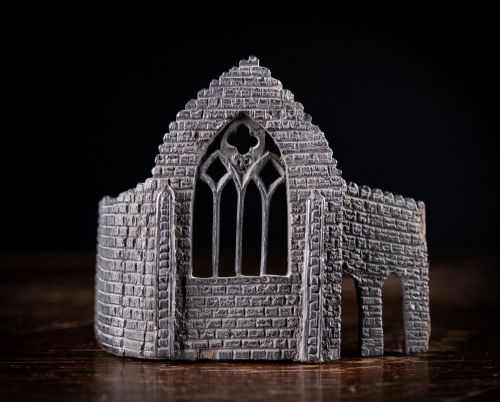
Folk art models are generally characterised by naive execution, non-standard proportions, and the use of accessible local materials such as painted wood, slate, and shell work. Unlike factory-produced items, they were made by self-taught individuals for personal use or local sale.
Their charm lies in their directness and the inventive use of ordinary objects to depict subjects like churches, animals, and coastal vessels.