




19th Century Marine Antiques
19th century marine antiques encompass oil paintings, watercolours, and brass port holes that record maritime vessels and coastal harbours.
19th Century Marine Antiques
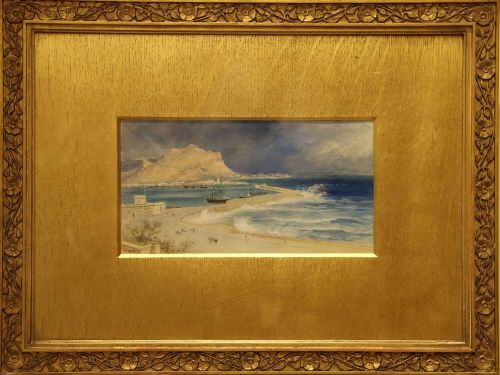
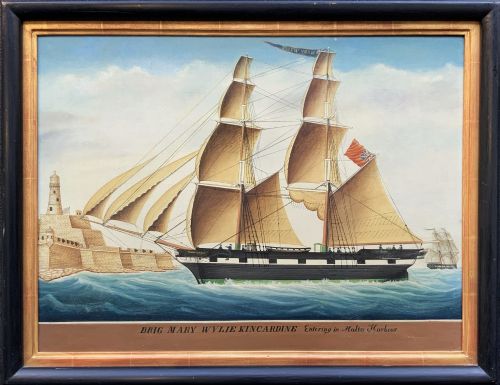
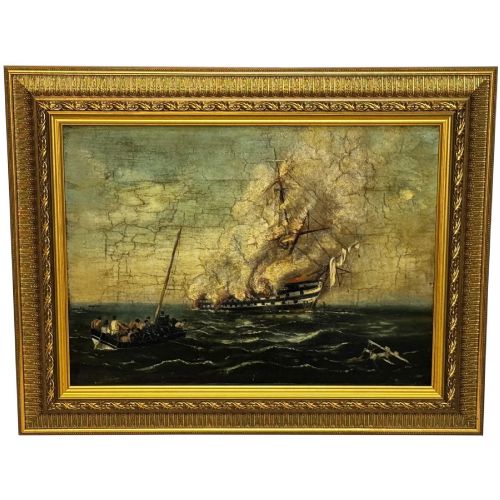
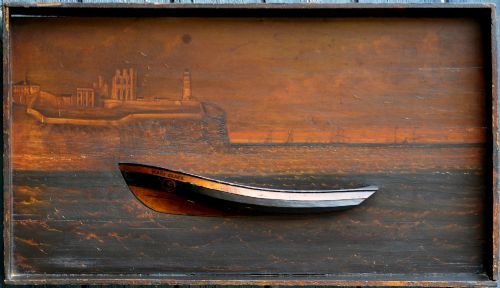
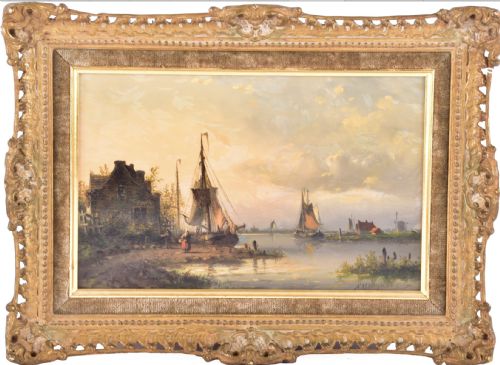
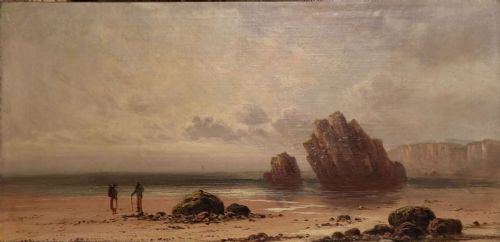
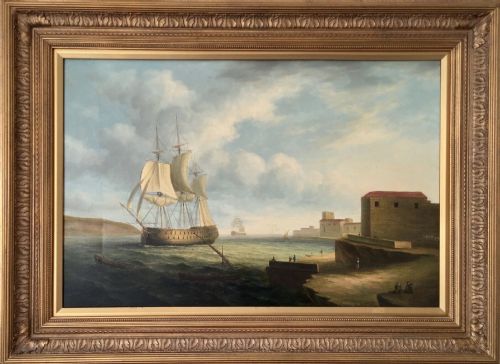
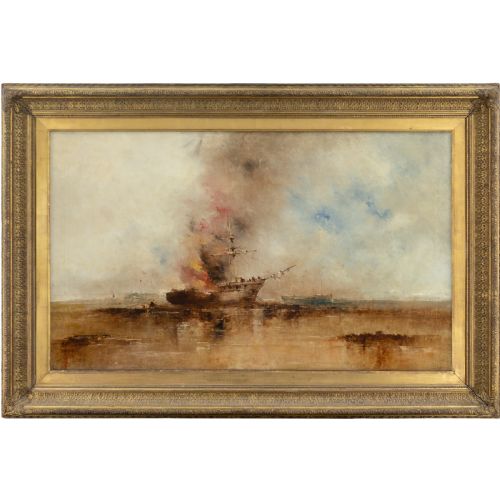
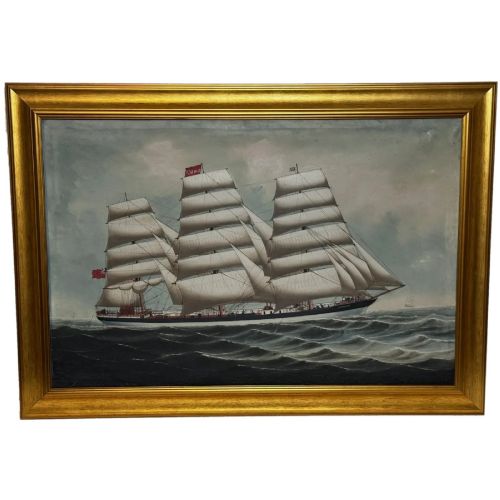
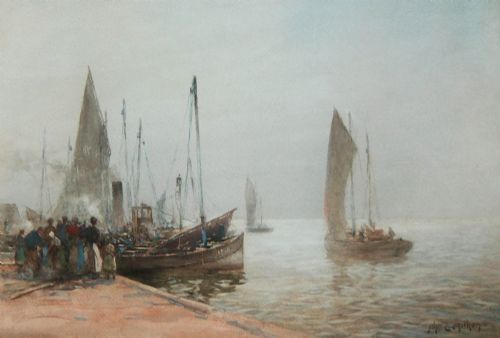
When searching for 19th century marine antiques, a buyer encounters a selection dominated by fine art, specifically oil paintings and watercolours on paper or canvas. These works depict galleons, merchant ships, fishing boats, and coastal towns from periods such as the Victorian era.
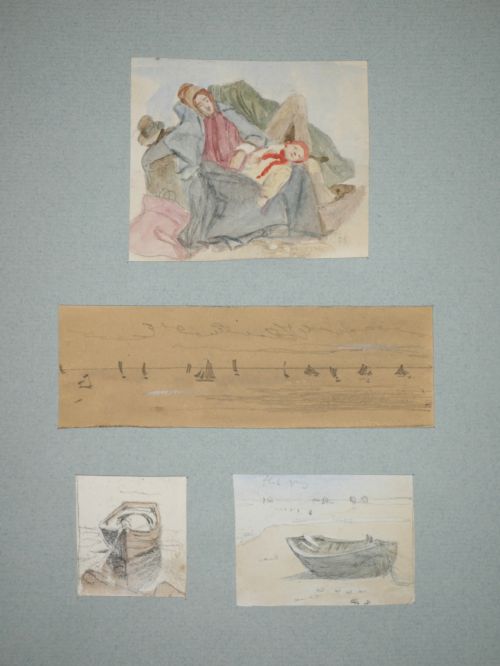
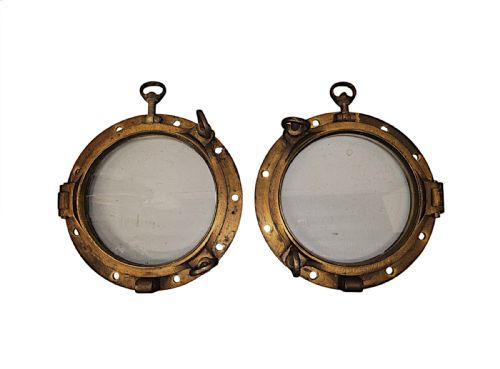
The most common forms on this page include framed oil paintings on canvas and board alongside watercolour sketches of harbours and seascapes. Alongside paintings, specific fittings such as brass port holes and specimen collections of coral and starfish appear.
How they were made
Artists utilised oil paint and watercolour on grounds of canvas, wood panel, board, and paper to capture maritime subjects. Canvasses and panels frequently sit within gilt wood frames.
Physical objects from vessels, such as brass port holes, utilise cast metal techniques, while natural specimens like coral and starfish form part of period collections.
Alongside grand canvases of warships, you can inspect preserved nineteenth-century coral and starfish.
What varies in quality
Quality in these works rests upon the handling of light, water, and atmospheric conditions by the artist, distinguishing detailed records from simpler topographical sketches. The articulation of rigging on ships and the movement in heavy seas reveal the skill of the hand behind the work.
Framing also influences the presentation, with original gilt wood frames adding to the historical context of the paintings.
James Hardy·James Orrock·James Smetham·William McAlpine·Reginald Arthur Borstel·Edward Mills·James E. Aitken·William Banks Fortescue·John Rose Miles·William Broome·Hector Caffieri·Bernard Benedict Hemy·Thomas Creswick·TB Hardy·Charles Euphraisie Kuasseg·John Wilson Carmichael·Lai Fong·Joseph Farquharson·John Moore of Ipswich·Nicholas Condy·Richard B. Spencer·William Henry Williamson·John Holland·George Stanfield Walters
The 19th Century Marine Antiques Glossary
- Seascape
- A work of art that depicts the sea, ships, or coastal views. These subjects formed a central focus for Victorian marine artists.
- Watercolour
- A paint consisting of water-soluble pigments used on paper. It often appears in marine sketches and coastal studies.
- Port hole
- A circular window used on the hull of a ship to admit light and air. Examples in brass survive as physical marine antiques.
- Barque
- A sailing ship with three or more masts. This vessel type appears frequently in period oil paintings.
19th Century Marine Antiques: Frequently Asked Questions
What subjects do these marine paintings show?
The pieces depict galleons, merchant vessels, fishing boats, and naval ships navigating coastal waters or heavy seas. Harbours from locations such as Malta, St Ives, and Dublin Bay also feature prominently.
Artists focused on recording specific maritime events, coastal rescue operations, and everyday fishing activities along British and European shores during the nineteenth century.
Are all the items paintings?
While oil paintings and watercolours on paper form the majority of the works, the selection includes other physical items. These encompass brass port holes and natural history specimens.
Works on paper capture quick coastal sketches, whereas large oil paintings on canvas provide finished exhibition pieces.
How are the paintings usually framed?
Many of the oil paintings remain housed in period gilt wood frames that complement the maritime subject matter. These frames often show the wear and patination expected from nineteenth-century pieces.
Buyers frequently encounter works that retain their original framing setup, which aids in dating the piece.
What periods are represented?
The objects span the nineteenth century and extend into the early twentieth century, encompassing the Victorian era. Dates within the titles point to specific decades such as the eighteen-sixties, seventies, and nineties.
This timeframe covers the height of maritime trade and the corresponding rise in British marine art production.