

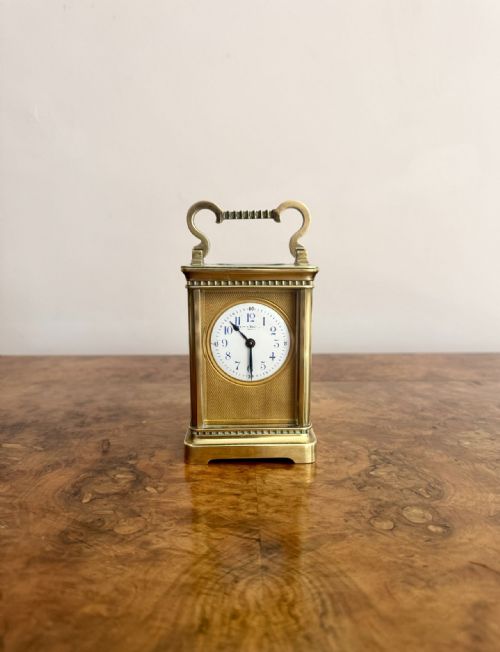
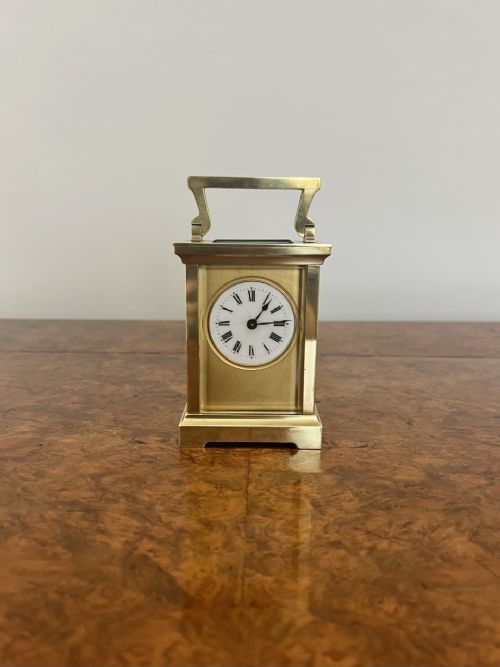
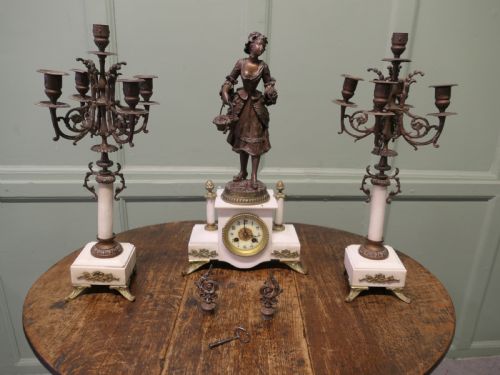
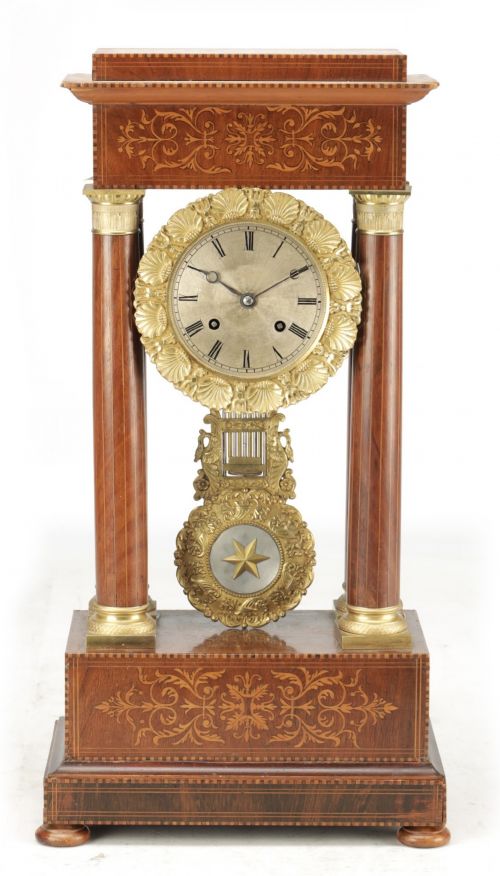

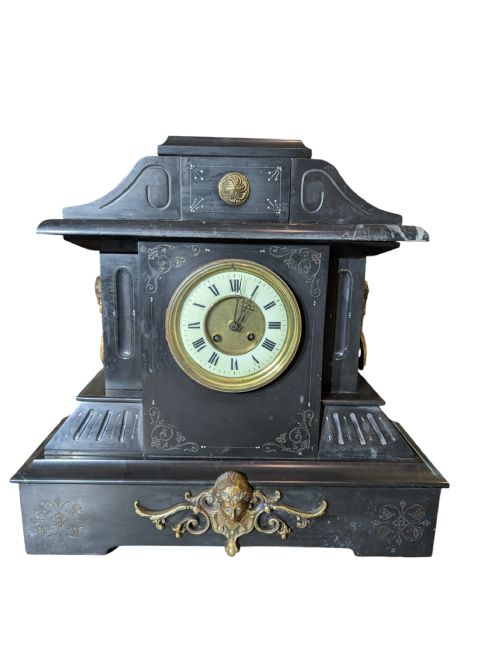

19th Century Mantle Clock
Selecting a 19th century mantle clock brings architectural presence and mechanical harmony into a room.
19th Century Mantle Clock
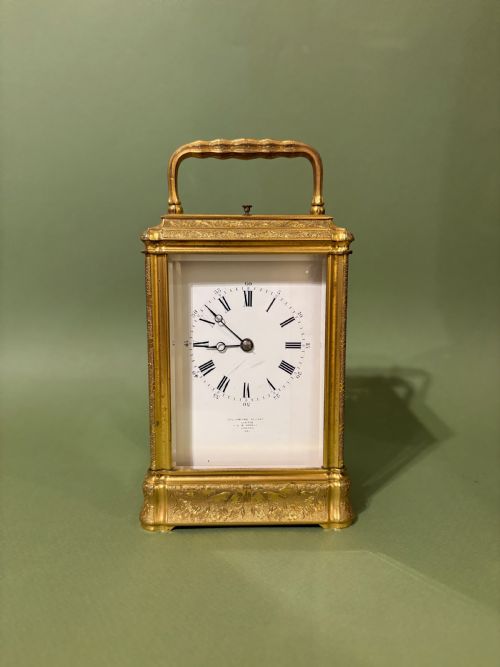
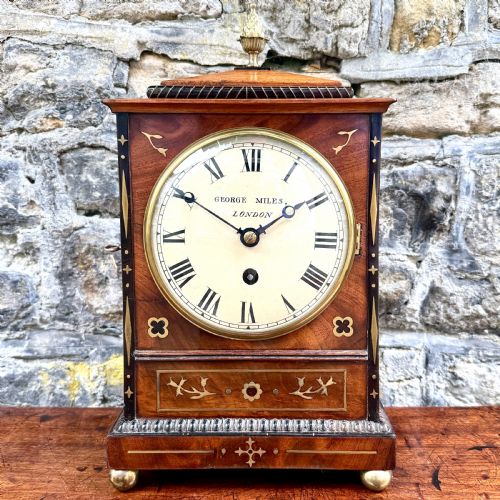
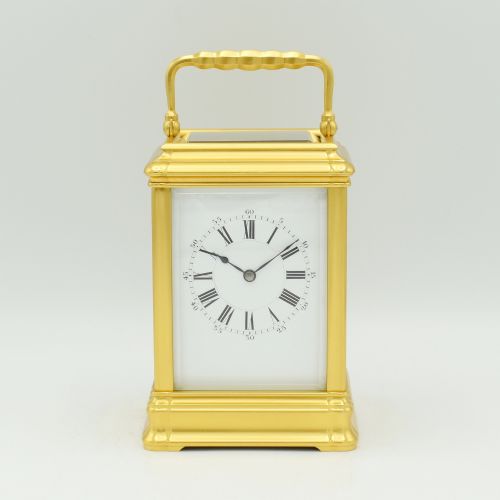
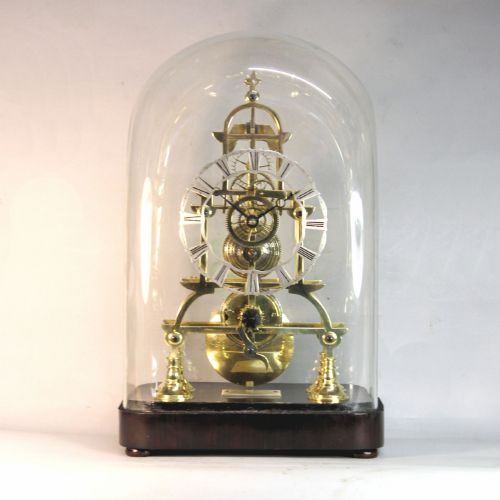
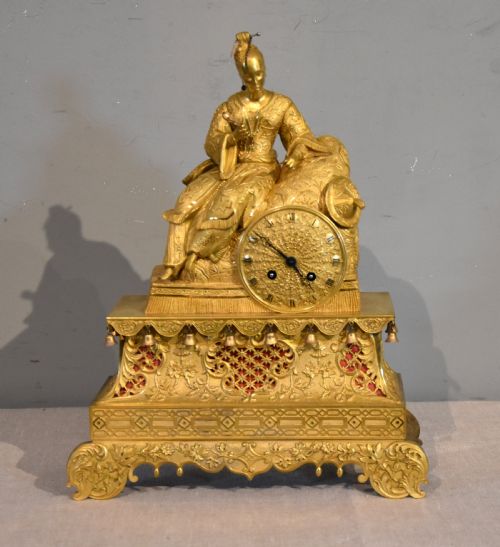
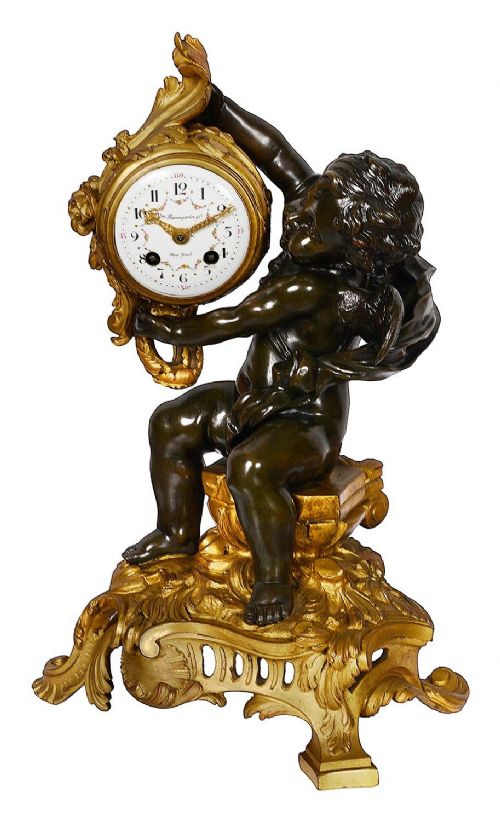
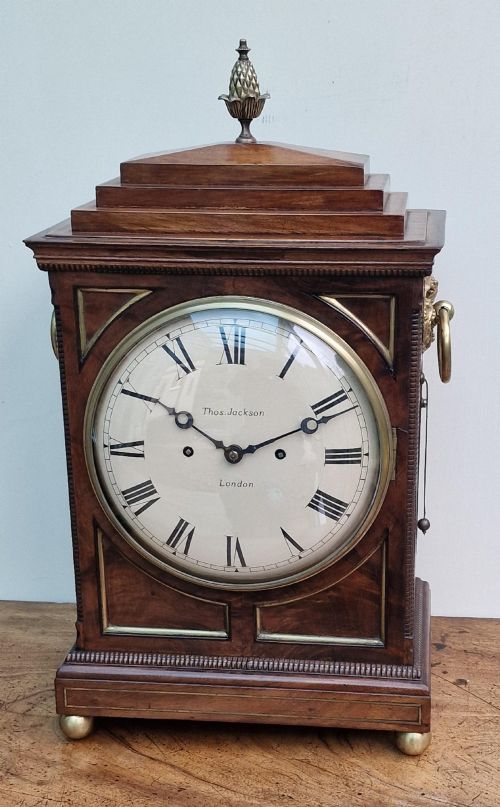
A 19th century mantle clock is a portable timepiece designed to sit on a fireplace mantel or shelf, serving both a domestic utility and a decorative function. These pieces originate from diverse European traditions, with French gilt bronze, porcelain-mounted garniture sets, and English mahogany bracket clocks dominating the selection.
Buyers will frequently encounter ornate French Rococo revival and Louis XVI revival models featuring enamel dials and visible pendulum assemblies alongside architectural marble and slate enclosures. English examples tend towards restrained wood veneers, fusee movements, and classical proportions intended for libraries and halls.
How They Were Made
The construction of these timepieces combines precision metalwork with cabinetmaking and foundry casting. Cases utilise mahogany, walnut, marble, and slate, paired with cast brass, ormolu, and gilded metal mounts.
Interior movements rely on brass wheel trains, escapements, and steel springs or heavy weights, often driven by fusee mechanisms to maintain even power delivery as the spring unwinds. Enamel dials and painted porcelain panels complete the face, secured beneath bevelled glass panels.
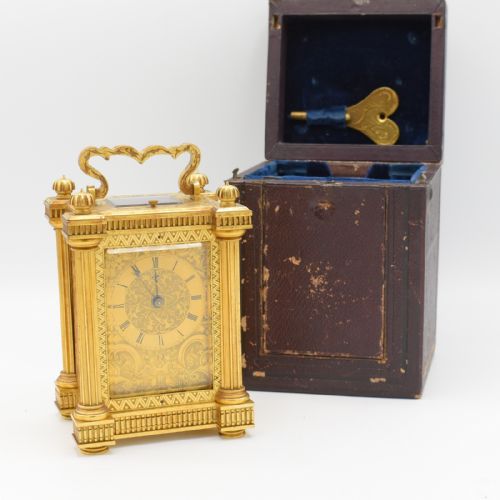
Some late models include hidden compartments for keys, offering a secret spot for winding tools.
What Varies In Quality
The quality of a 19th century mantle clock rests upon the crispness of the bronze chasing, the depth of the case timber figures, and the integration of the dial elements. Superior examples display hand-painted enamel detail and substantial, heavy castings rather than thin pressed metal.
Mechanical execution separates standard production from master work. Finely cut gear teeth, signed movement backplates, and intricate striking mechanisms with repeater functions or chime options elevate the standing of the piece.
Henri Jacot·Howell And James·Thomas Jackson·George Orpwood·Japy Freres·Winterhalder And Hoffmeier
The 19th Century Mantle Clock Glossary
- Fusee
- A conical pulley connected to the mainspring by a cord or chain, designed to equalise the torque as the spring unwinds. This mechanical device ensures consistent timekeeping across the winding cycle.
- Ormolu
- Gilded bronze produced by applying a mixture of mercury and gold leaf to a cast bronze base, then heating to drive off the mercury. The resulting finish yields a soft, durable gold sheen characteristic of French decorative arts.
- Bracket clock
- A portable spring-driven clock originally designed to sit on a wall bracket or a tabletop. Many feature wooden carrying handles on top and architectural wooden cases.
- Champlevé
- An enamelling technique where troughs or cells are hollowed out of a metal surface and filled with vitreous enamel powder before firing. The piece is then polished flat to reveal the metallic outlines.
- Garniture
- A matching set of decorative objects, typically consisting of a central clock flanked by two matching vases or candelabra. These sets were designed as cohesive mantelpiece displays.
19th Century Mantle Clock: Frequently Asked Questions
How often should I wind my clock?
Most spring-driven models require winding once every eight days using a matched key inserted into the dial holes.
Care must be taken not to overwind the mainspring, stopping as soon as resistance is felt.
Can these clocks keep accurate time?
Mechanical timepieces from this era can achieve good daily accuracy when properly serviced, regulated, and kept level on a stable surface.
Environmental changes like room temperature fluctuations may require occasional minor adjustments to the pendulum.
Where should I place my clock?
These pieces require a sturdy, level surface away from direct heat sources, damp walls, and vibrations that might disrupt the pendulum beat.
Mantels and heavy wooden sideboards offer the traditional and practical support needed for daily operation.
How do I identify the maker?
Makers and retailers typically engraved their names, serial numbers, and locations directly onto the brass movement backplate or painted them onto the enamel dial.
Case mounts and bronze elements sometimes carry foundry stamps or artist signatures hidden beneath the base.