


19th Century Mahogany Pedestal
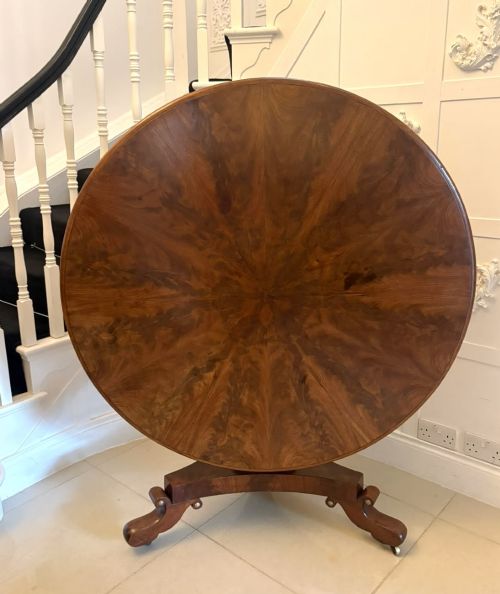
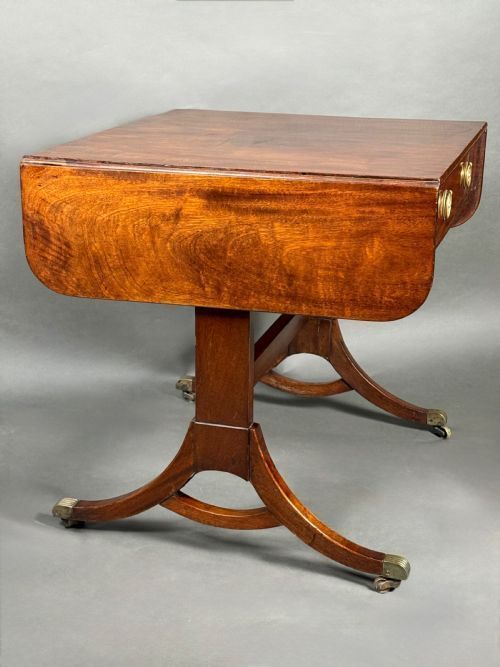
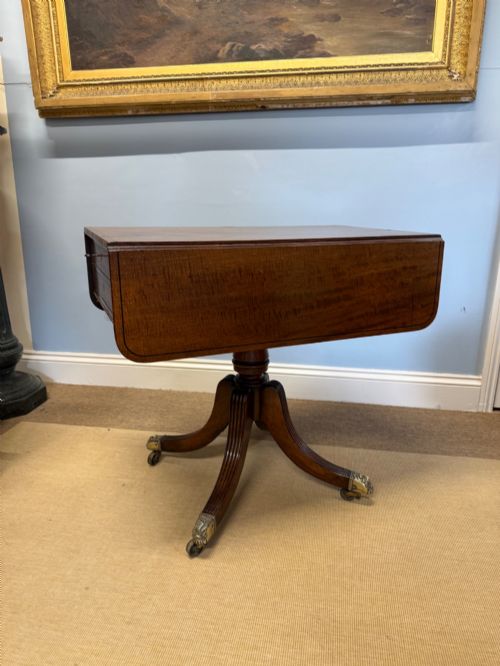
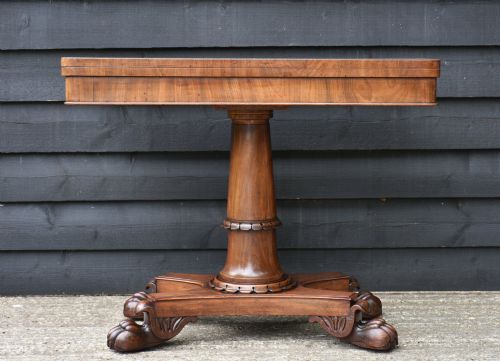
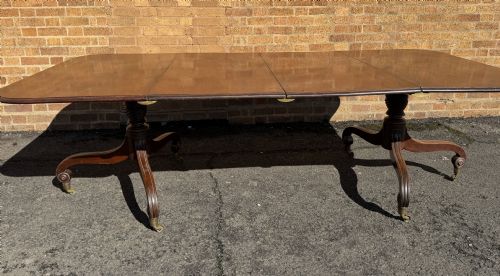
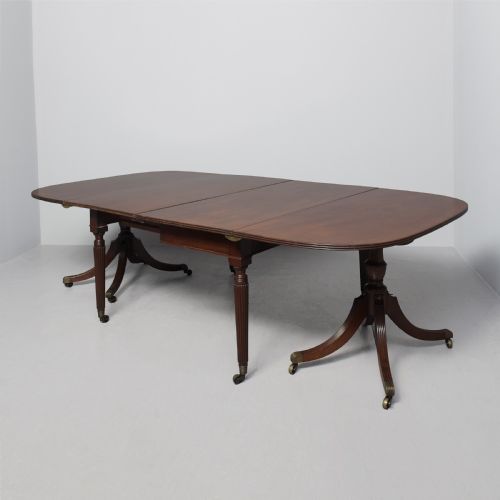
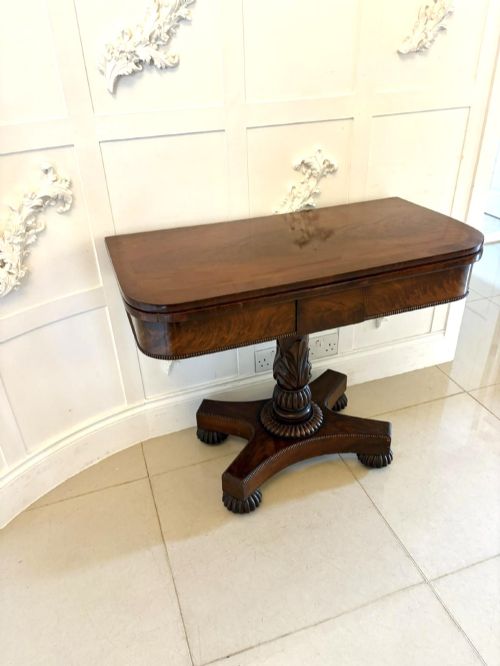
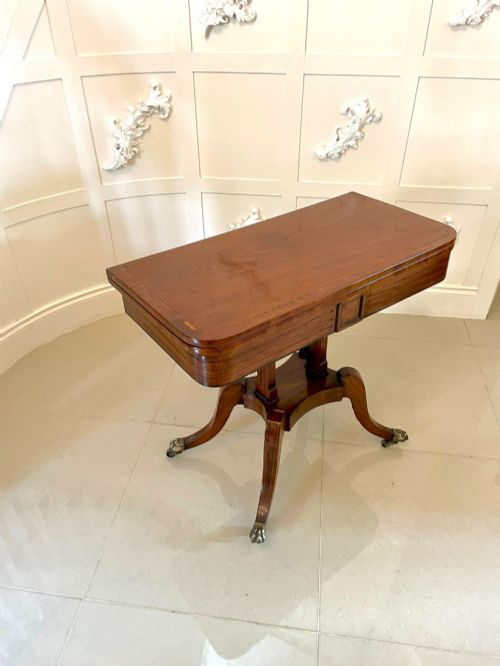
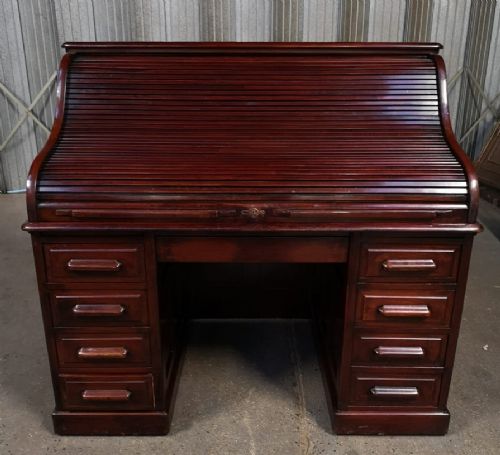
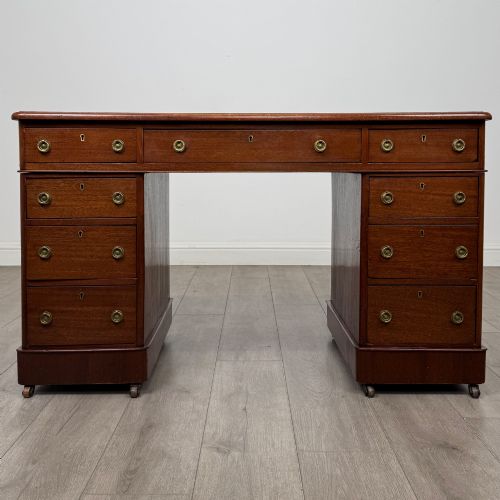
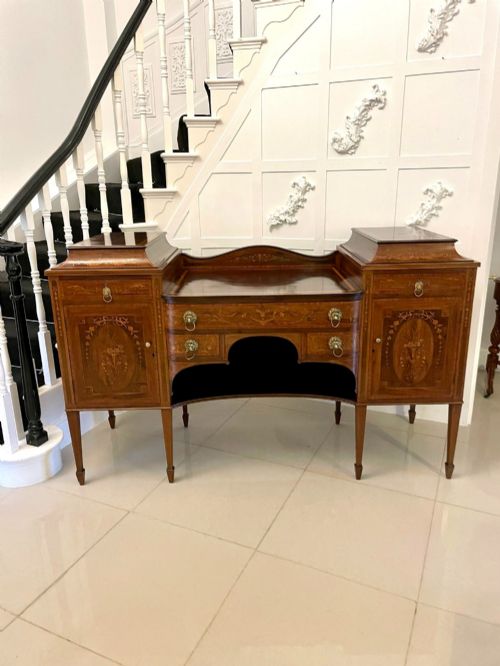
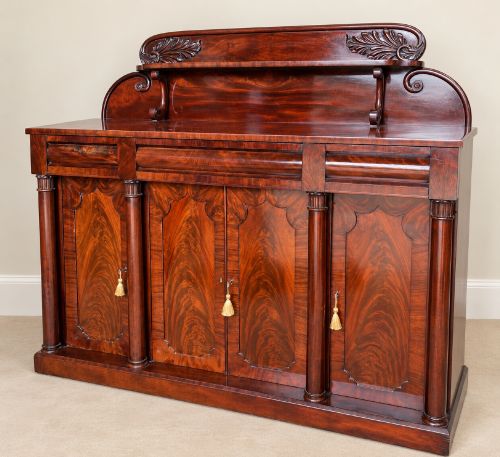
When choosing a 19th century mahogany pedestal piece, buyers find substantial writing desks, dining tables, and cabinets defined by rich timber and robust columns.
19th Century Mahogany Pedestal
A 19th century mahogany pedestal search brings up a diverse group of heavy furniture items resting on central columns or multi-pillar supports. Buyers most commonly meet large pedestal writing desks, partners desks, and extending dining tables across this inventory.
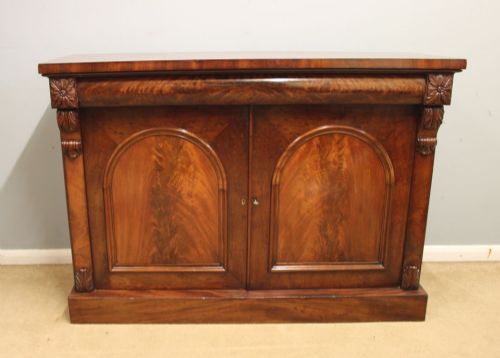
The objects span periods from Georgian and Regency through William IV to Victorian and late 19th century production. Alongside desks and dining tables, the selection includes smaller forms such as wine tables, lamp tables, bedside cabinets, and sideboards.
Originating from English, Scottish, and French workshops, these pieces served practical functions in studies, dining rooms, and libraries. Their enduring appeal lies in the combination of functional storage and formal architectural presence.
How They Were Made
Cabinet makers utilised solid mahogany and applied flame mahogany veneers over secondary timbers to achieve deep figured grain patterns. Secondary materials such as brass for mounts and leather for writing surfaces added functional contrast.
Construction techniques relied on sturdy framing, dovetailed drawers, and heavy central pedestals or pillars to support large loads like dining leaves and partner writing surfaces. Ormolu mounts and inlaid marquetry occasionally decorated the primary surfaces.
Several tables arrive with candle stands and wine storage ready for thirsty scholars.
What Varies in Quality
The grain selection on the primary surfaces creates a primary distinction, with highly figured flame mahogany or burr wood veneer marking out finer productions. The depth of hand-carved details on pedestals and legs also separates standard items from workshop masterpieces.
Structural complexity influences the standard of the piece, particularly multi-pillar dining mechanisms, fitted stationery interiors, and integrated leather writing slides. Maker attribution through stamps or documented provenance elevates specific examples.
Gillows of Lancaster·Hewetsons London·Trollope and Sons
The 19th Century Mahogany Pedestal Glossary
- Flame mahogany
- Timber harvested to reveal a distinctive, flamy wave pattern in the grain. This highly decorative veneer appears on prominent surfaces of desks and tables.
- Pedestal
- A structural support column or base holding up a desk, table, or cabinet. Multiple pedestals often support long dining tables and large partner desks.
- Partners desk
- A large double-sided pedestal desk designed for two people to work opposite one another. These pieces feature drawers and cupboards accessible from both sides.
- Skiver
- A panel of leather inset into the top of a writing desk or table. These surfaces often feature gilt tooling around the perimeter.
- Gueridon
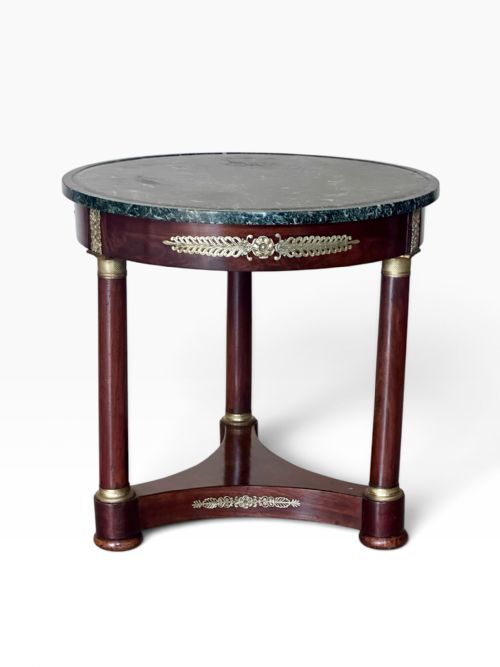
- A small French occasional table supported by a single central pillar or pedestal. These round tables functioned as candle stands or wine tables.
19th Century Mahogany Pedestal: Frequently Asked Questions
What is a pedestal desk?
A pedestal desk is a heavy writing table supported by two vertical banks of drawers or cupboards. The top surface typically spans across these two structural bases to provide a large workspace.
These pieces emerged as functional furniture for libraries and studies during the Georgian and Victorian periods. They often incorporate leather inserts and pull-out writing slides for added utility.
What is flame mahogany?
Flame mahogany is a specialised veneer cut from the branch junctions of the tree. It produces a dramatic, flickering grain pattern that resembles flames.
Cabinet makers applied this veneer to the most visible areas of high-status furniture to catch the light and display rich red-brown tones.
How are dining tables supported?
Large dining tables from this era rely on twin or triple pedestal bases with heavy wooden legs. These central columns distribute the weight of extending leaves evenly across the floor.
This pillar construction replaced traditional four-leg frames to allow diners more legroom around the perimeter of the table.