

19th Century Library Shelving
These pieces of 19th century library shelving bring warmth and architectural presence to a room, offering practical storage for large volumes.
19th Century Library Shelving
Buyers searching for 19th century library shelving encounter open bookcases, bookcases and shelving, etageres, and whatnots designed to hold domestic book collections. These items span periods including the Regency, William IV, and Victorian eras, reflecting shifting domestic tastes in storage.
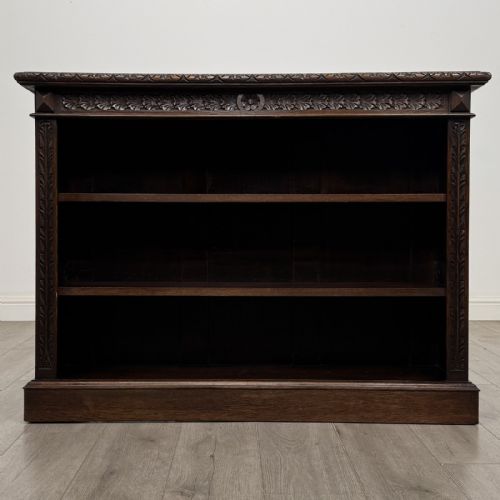
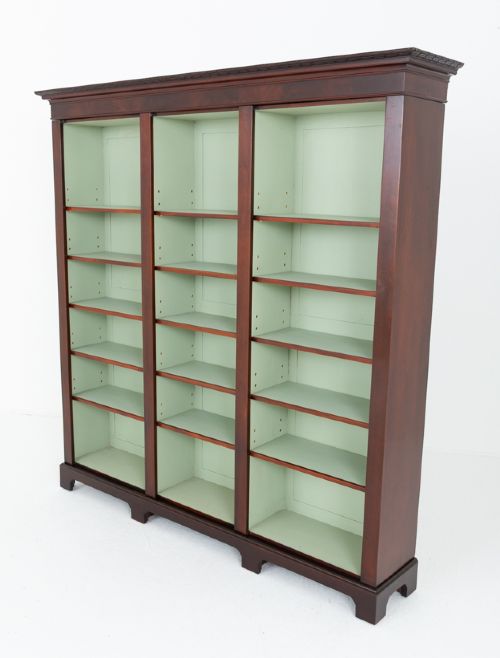
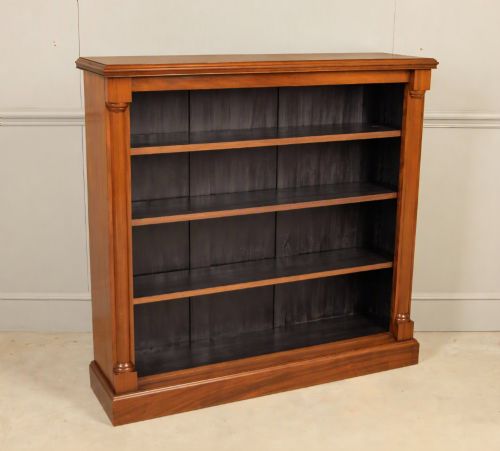
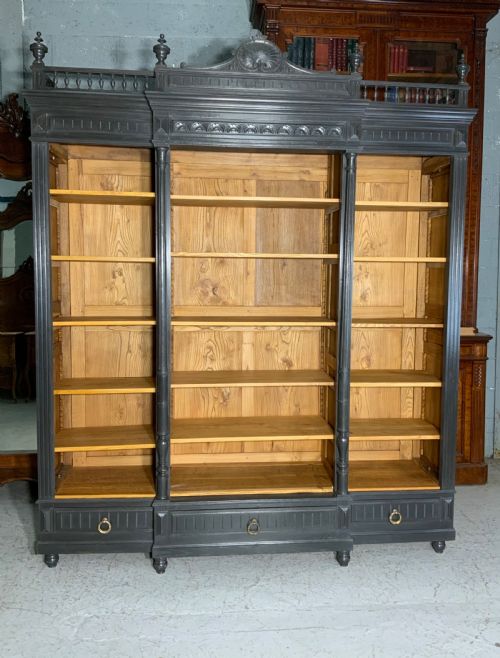
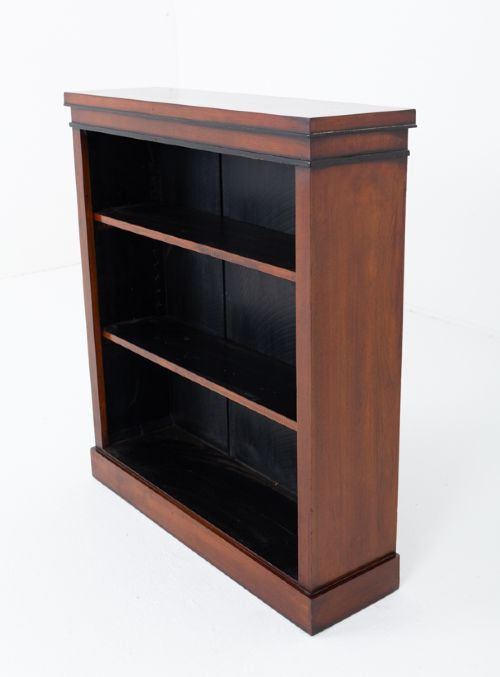
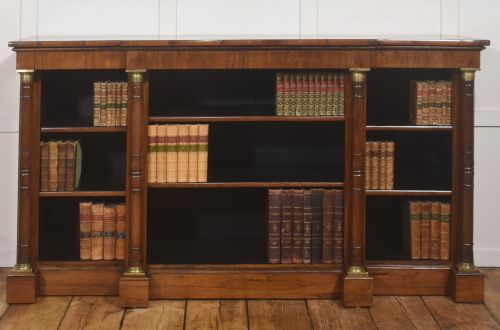
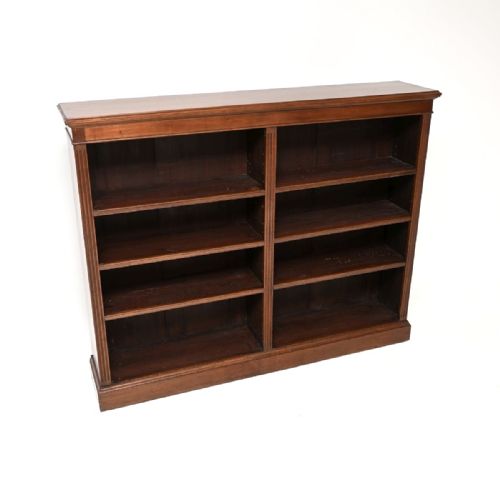
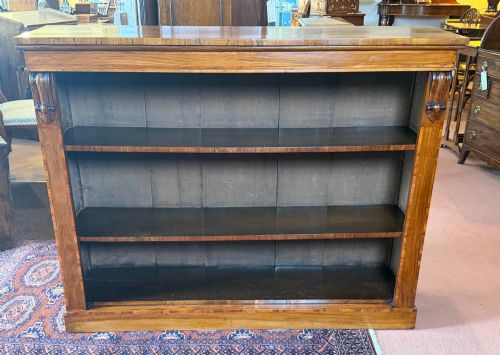
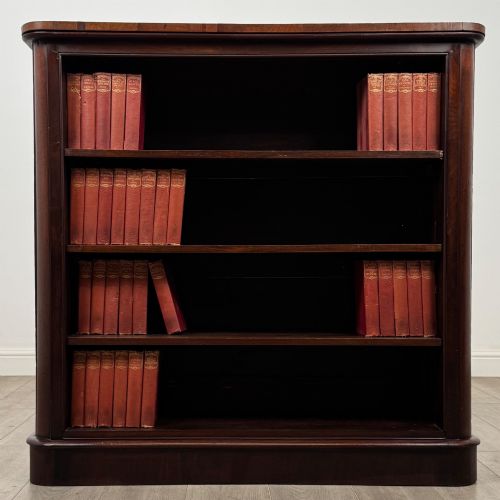
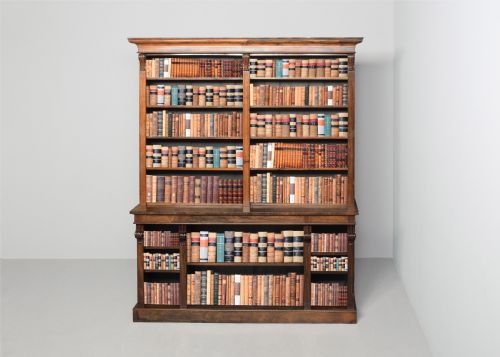
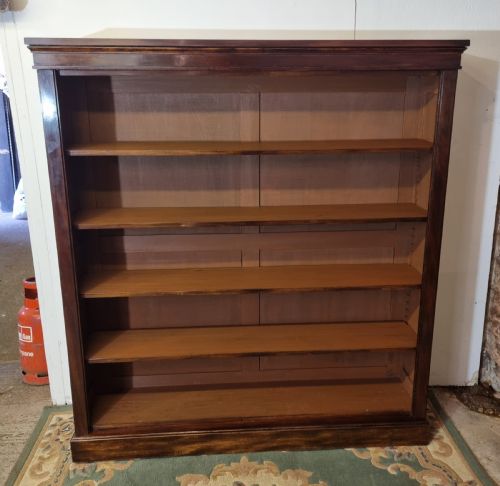
The most common form on this page is the open bookcase, often constructed in sections or as low units with adjustable shelves to accommodate books of varying heights. Pieces originate from English workshops as well as Continental sources, incorporating styles such as French Louis XV, Renaissance Revival, and French Empire.
Materials and construction
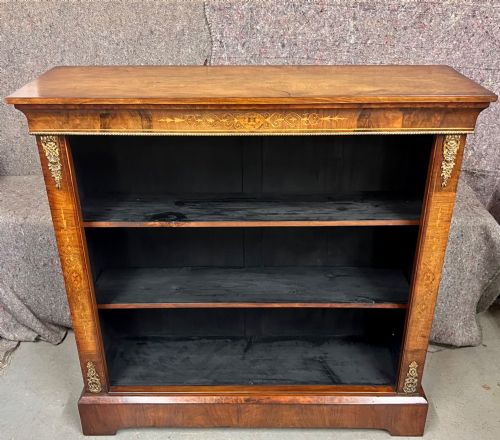
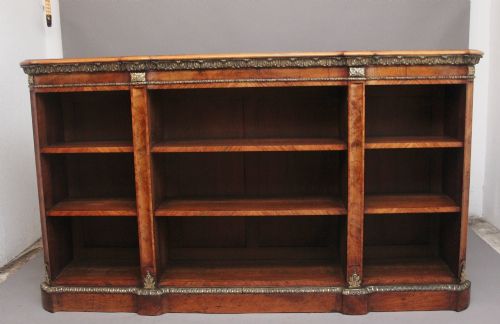
Cabinet makers utilised dense hardwoods such as mahogany, walnut, rosewood, oak, and burr walnut, frequently selecting figured veneers to face the primary surfaces. Solid wood construction appears alongside decorative accents in brass and ormolu.
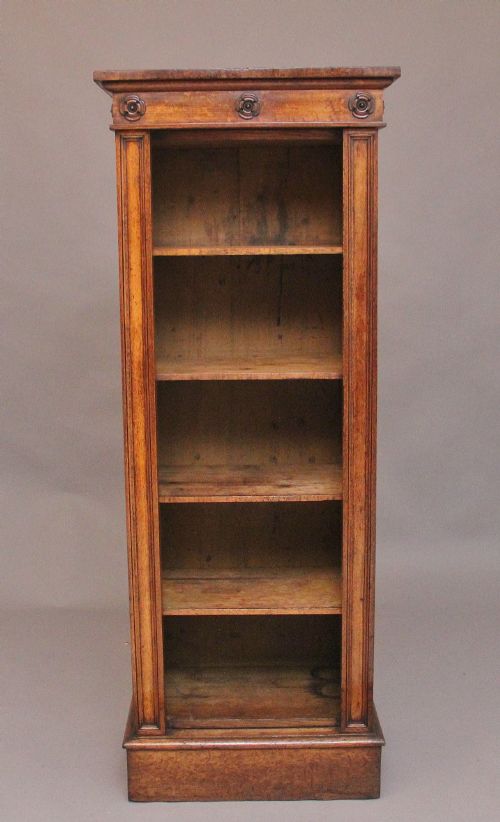
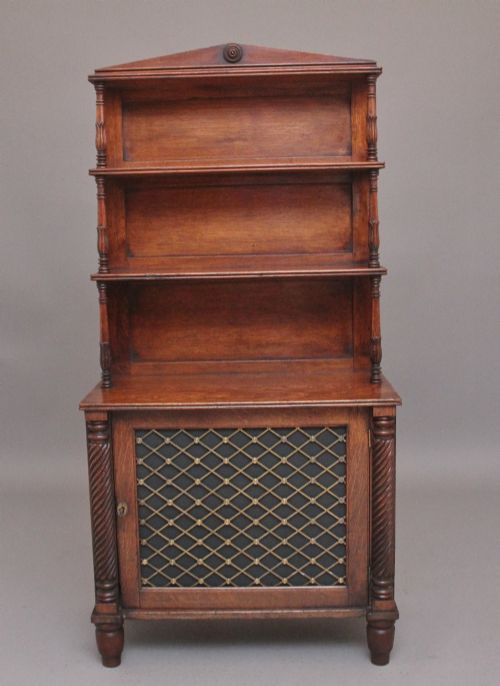
Makers integrated adjustable shelf systems, allowing owners to alter interior configurations. Certain pieces incorporate carved ornamentation, glazed doors, or tiered waterfall shelving arrangements.
19th Century Library Shelving Retail Price Guide 2026
Typical asking prices for 19th century library shelving among the pieces listed under this phrase on Sellingantiques today, from the lower quarter to the upper quarter. They describe what is for sale here now, not the wider market.
Judgement of quality
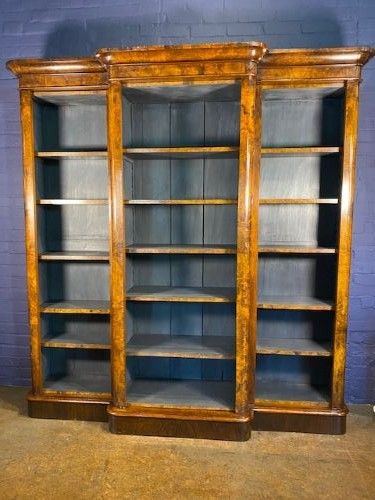
Quality rests upon the selection of timber figure, such as burr walnut or figured mahogany, and the precision of the joinery in breakfront or multi-section carcasses. Metal mounts in ormolu and brass show varying degrees of chiselling and crispness.
Proportion and scale distinguish standard pieces from notable commissions, particularly those designed by specific architects or produced for country house libraries. The presence of functional, original adjustable shelf mechanisms adds to the integrity of a piece.
Johnstone and Jeanes·Sir Charles Barry
The 19th Century Library Shelving Glossary
- Breakfront
- A cabinet design where the central section projects forward from the flanking wings. This architectural arrangement creates depth and visual interest across large library bookcases.
- Waterfall bookcase
- A set of open shelves that steps back progressively from bottom to top, creating a terraced profile. The form gained popularity during the Regency period.
- Ormolu
- Gilded bronze mounts applied to furniture as decorative enrichment. The technique requires mercury gilding or modern electroplating to achieve its characteristic metallic lustre.
- Etagere
- A set of open tiered shelves used for displaying ornaments or books. These pieces often feature slender supports and portable open frameworks.
- Adjustable shelves
- Shelving supported by moveable pegs, ratchets, or brass strips that allow the vertical intervals to change. This system accommodates volumes of different heights.
19th Century Library Shelving: Frequently Asked Questions
How do I adjust the shelves?
Most period library shelving uses wooden peg supports or brass ratchets inset into the interior uprights. Lifting the shelf allows you to reposition the pegs into alternative holes.
Take care when shifting heavy hardwood boards to avoid marking the interior veneer.
Where were these bookcases placed?
Original locations included gentleman's libraries, studies, and drawing rooms of large country houses and town residences. Low open bookcases often sat beneath windows or against principal walls.
Tall variants anchored larger library rooms designed to house extensive private literature collections.
How do I identify a Victorian piece?
Victorian examples frequently utilise mahogany, walnut, or oak, often displaying heavier proportions than earlier Regency furniture. Stylistic influences range from plain open fronts to carved Renaissance Revival ornamentation.
Makers during this era commonly incorporated adjustable shelving systems into sectional breakfront carcasses.
Can these hold heavy books?
Solid timber construction and thick hardwood shelves provide substantial load-bearing capacity for standard leather-bound volumes and folios. The inclusion of adjustable supports allows shelves to be spaced tightly to prevent wood bowing over time.
Distributing weight evenly across the shelf ensures the longevity of antique timber.