



19th Century Gold Cross
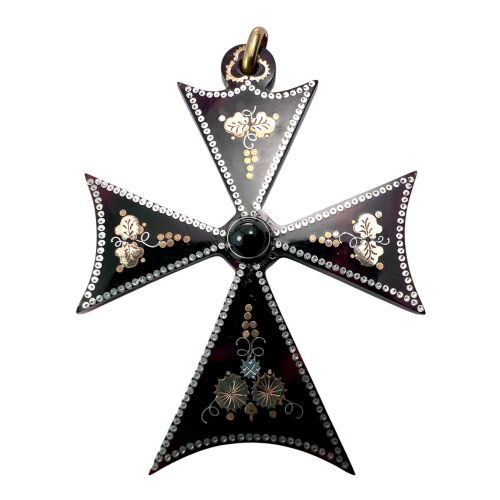
These 19th century gold cross pieces bring together period metalwork and devotional pendants, offering buyers a distinct piece of nineteenth-century craftsmanship.
19th Century Gold Cross
When you search for a 19th century gold cross, you find Victorian pendants that combine precious metals with stones. The listings here include Victorian gold and silver inlay square cross pendants alongside pearl and turquoise variations.
Most examples originate from the Victorian period and date towards the late nineteenth century. These items function primarily as wearable pendants and necklaces rather than larger decorative objects.
Makers utilised gold alongside silver settings to mount stones like turquoise and pearls. The forms remain consistent with nineteenth-century devotional and decorative jewellery traditions.
How they were made
Craftsmen built these pieces using gold and silver inlay techniques to create structured geometric designs on square pendants. Metalworkers set pearls and turquoise stones directly into the precious metal framework.
The construction relies on nineteenth-century bench techniques for shaping gold and mounting smaller decorative elements securely. Artisans balanced yellow gold components with contrasting silver sections within the pendant body.
19th Century Gold Cross Retail Price Guide 2026
Typical asking prices for 19th century gold cross among the pieces listed under this phrase on Sellingantiques today, from the lower quarter to the upper quarter. They describe what is for sale here now, not the wider market.
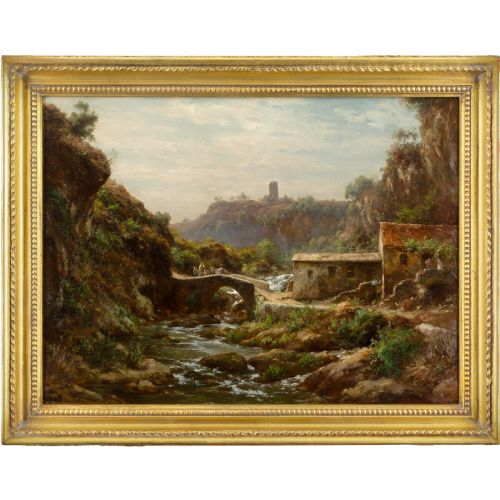
Crosses share space here with Napoleon crossing the Alps and horses crossing fords.
What varies in quality
Quality depends on the precision of the gold and silver inlay work and the secure setting of stones like pearls and turquoise. Superior examples maintain crisp geometric lines and intact precious metal surfaces.
The refinement of the pendant design separates standard production from finer pieces. Better items show careful integration of multiple metals and well-matched decorative stones.
The 19th Century Gold Cross Glossary
- Victorian
- The period spanning the reign of Queen Victoria, characterising much of the nineteenth-century jewellery seen here. Items from this era reflect specific stylistic developments in British design.
- Pendant
- A hanging piece of jewellery suspended from a necklace or chain. These objects form the primary category for cross designs in the current selection.
- Inlay
- A decorative technique where materials are embedded into a contrasting base surface. In these listings, gold and silver work together on square cross pendants.
- Turquoise
- An opaque, blue-to-green mineral used as a gemstone in nineteenth-century jewellery. Artisans set this stone alongside pearls within gold cross mounts.
19th Century Gold Cross: Frequently Asked Questions
How do I date a gold cross?
Dating relies on stylistic markers associated with the Victorian period, including specific stone combinations and metal inlay techniques common to the nineteenth century.
Examining the construction methods and material pairings helps place the piece within the broader nineteenth-century timeline.
What materials were used?
Makers utilised gold and silver for the structural framework and metal inlay work on these crosses. Pearls and turquoise stones frequently appear as decorative elements set into the metal.
These materials define the physical character of the nineteenth-century jewellery pieces available on the market.
How were these crosses worn?
These pieces functioned as pendants suspended from necklaces, serving both decorative and personal devotional purposes. The size and weight suit daily wear as part of nineteenth-century attire.
Owners typically attached them to chains or cords for display around the neck.