


19th Century Gilded Framed Art
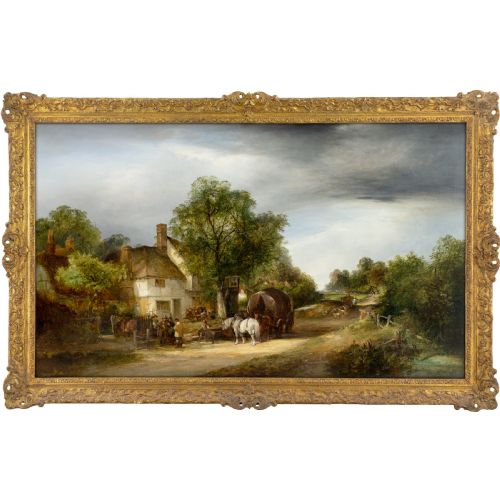
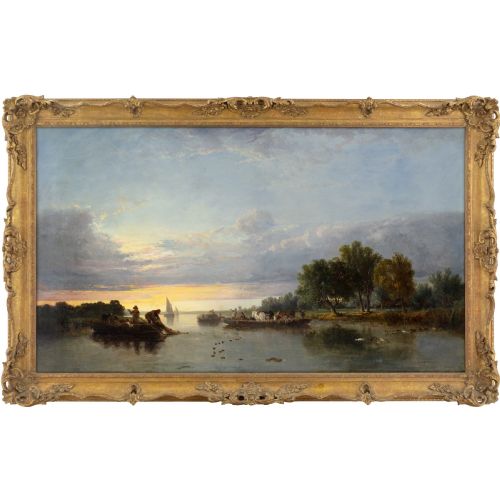
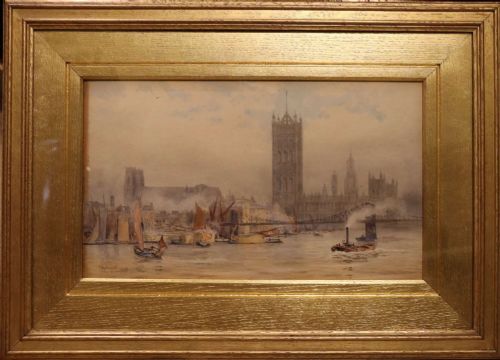
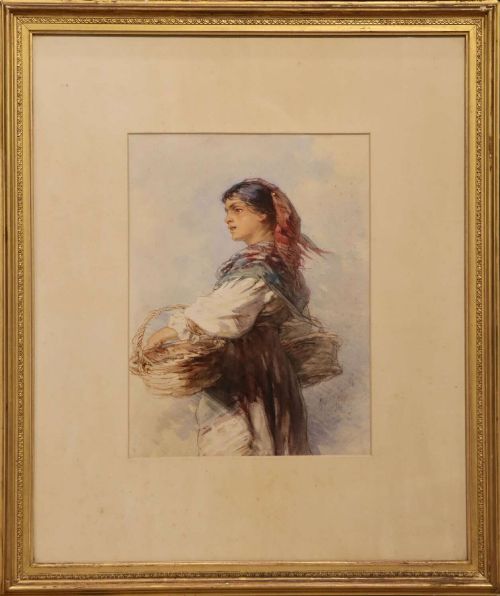
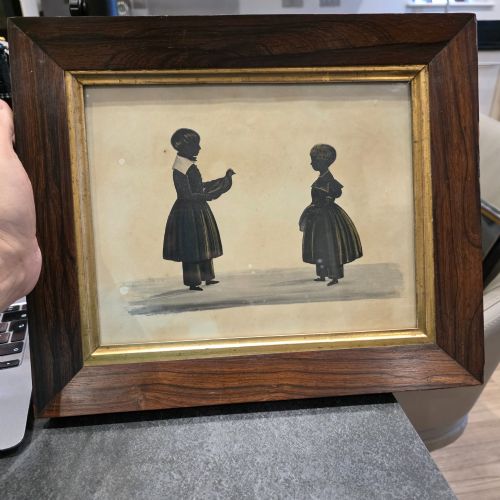
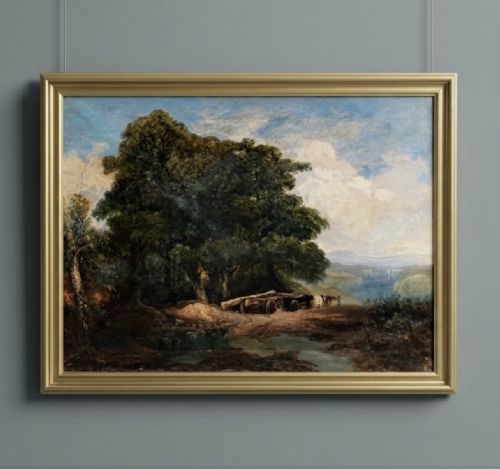
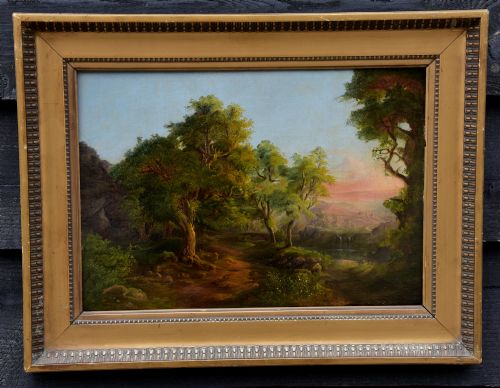
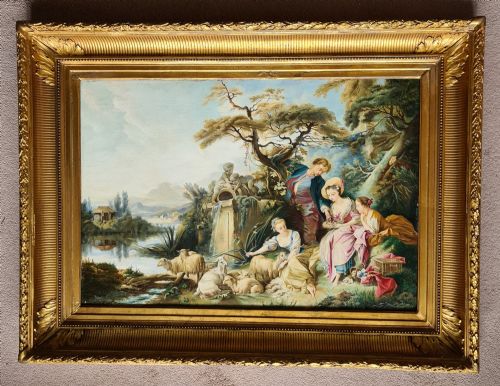
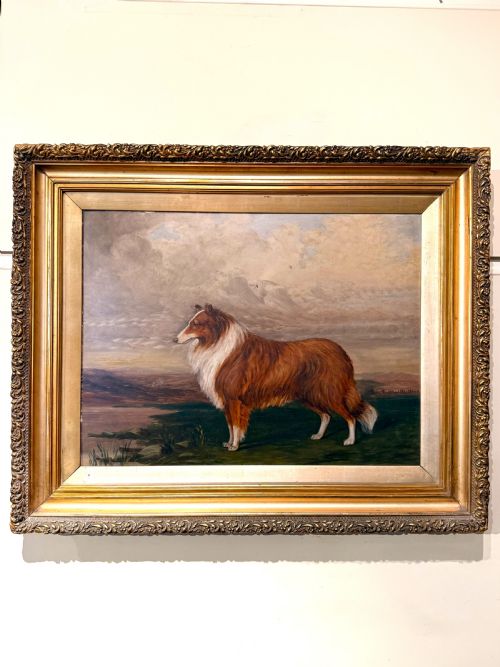
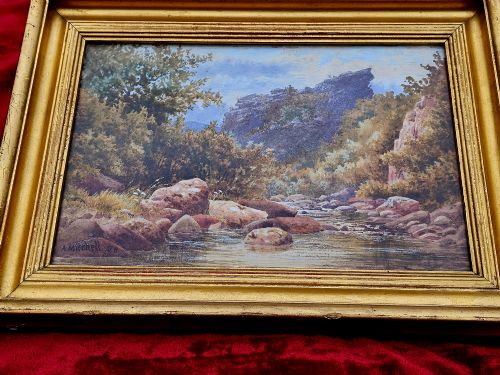
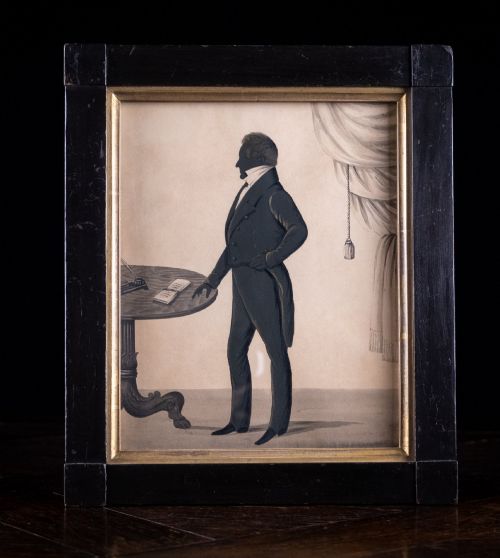
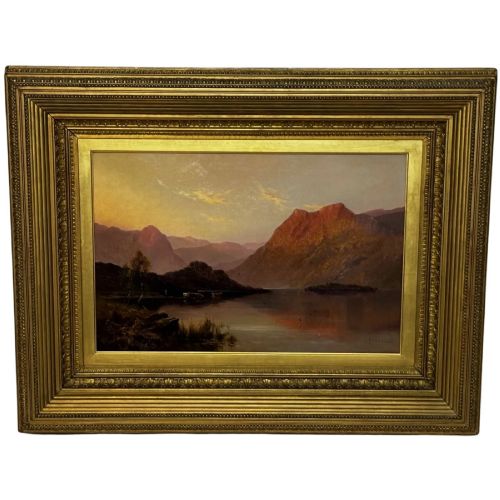
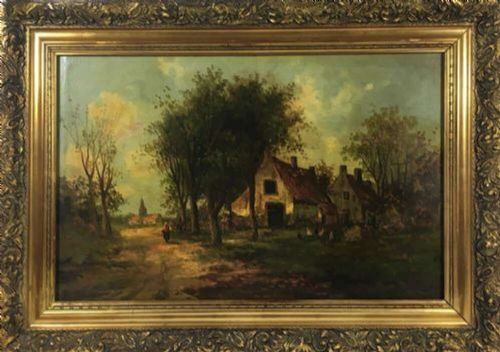
When you search for 19th century gilded framed art, you encounter oil paintings, watercolours, and silhouettes set within ornate wooden frames finished in gold leaf.
19th Century Gilded Framed Art
Collectors searching for 19th century gilded framed art typically find oil paintings on canvas or wood panel, alongside watercolours and portrait miniatures. The most frequent pieces on this page are mid-to-late nineteenth-century oil paintings featuring landscapes, portraits, and genre scenes.
These works span several defined periods including the Regency era, Victorian period, and early twentieth-century echoes of nineteenth-century styles. The frames themselves range from simple moulded wooden surrounds to deeply carved and gilded gesso profiles.
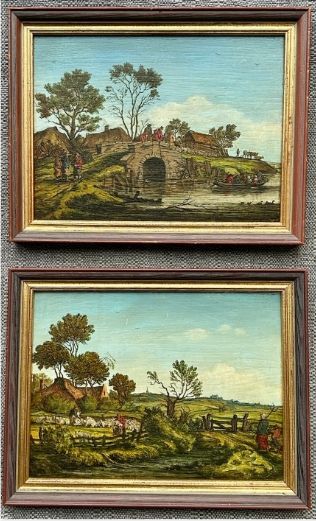
Subjects encompass romantic landscapes, sporting art, botanical watercolours, and Flemish style panels. Each piece retains its original relationship between the artwork and the gilded boundary that contains it.
How they were made
Makers constructed the primary support from stretched canvas, wooden boards, or paper panels before applying oil paint, watercolours, or tempera. Canvases received layers of ground preparation prior to the artist applying pigments with brushes or palette knives.
The accompanying frames utilise carved timber foundations coated in gesso, a mixture of plaster and glue, which accepts detailed moulding. Artisans then applied thin sheets of gold leaf or giltwood finishes over the prepared surfaces to catch and reflect ambient light.
Dogs, cats, horses, and birds frequently share canvas space with nineteenth-century sitters.
What varies in quality
The artistic competence displayed in brushwork, proportion, and compositional balance separates standard decorative works from accomplished academy pieces. Master painters manage light, shadow, and narrative depth with an assurance that transforms a simple domestic scene or landscape into a compelling historical record.
Frame construction also dictates overall quality, distinguishing hand-carved gesso ornamentation with intact gilding from later cast replacements or distressed modern regilding. Original matching frames that retain their historic patina contribute significantly to the integrity of the piece.
Richard Sebastian Bond·Joseph Clover·Valentine T Garland·Stephen Samuel Lewin·Vittorio Reggianini·David Bates·Robert John Hammond·Albert Clark·Adelaïde Salles Wagner
The 19th Century Gilded Framed Art Glossary
- Giltwood
- Wood that has been coated with gold leaf or gold paint. This technique gives the frame a metallic brilliance that frames the subject matter.
- Gesso
- A plaster mix applied to wooden frame mouldings as a base for gilding. It allows artisans to carve intricate relief patterns before applying gold leaf.
- Oil on Canvas
- Pigment suspended in drying oils applied to woven fabric. This medium dominated nineteenth-century fine art production for its durability and rich colour depth.
- Regency
- The period in British history from 1811 to 1820, alongside the broader aesthetic associated with the early nineteenth century. Pieces from this time often feature neoclassical restraint and delicate botanical detail.
- Silhouette
- A portrait profile filled in with a solid dark colour, frequently highlighted with gold leaf on card or paper. These items capture likenesses through stark outline shapes.
19th Century Gilded Framed Art: Frequently Asked Questions
How do I clean a gilded frame?
Dust frames gently with a soft dry brush to remove surface particles without disturbing delicate gold leaf layers.
Avoid liquid cleaners, moisture, or chemical solvents entirely, as these substances strip historic gesso and gilding away from the underlying wood.
Are these oil paintings original?
The listings on this page comprise original nineteenth-century works painted directly by period artists on canvas, board, or panel.
Some titles may reference later interpretations or works after earlier masters, which are executed in the period rather than being modern reproductions.
How do I hang heavy framed art?
Support heavy oil paintings and thick gilded frames using wall anchors rated for the specific weight of the timber and gesso.
Utilise picture hanging wire secured to sturdy screw eyes driven directly into the wooden frame backing rather than relying on decorative hardware alone.
What lighting suits oil paintings?
Display oil paintings away from direct sunlight to prevent pigment fading and cracking in the canvas or paint layers over time.
Use low-heat LED picture lights positioned above the frame to illuminate the brushwork and metallic glint of the gold leaf without causing thermal damage.