


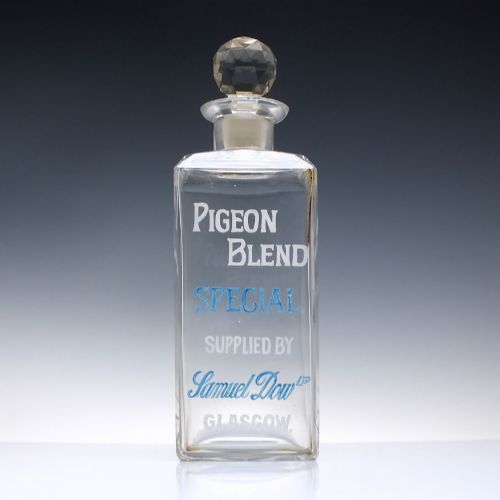

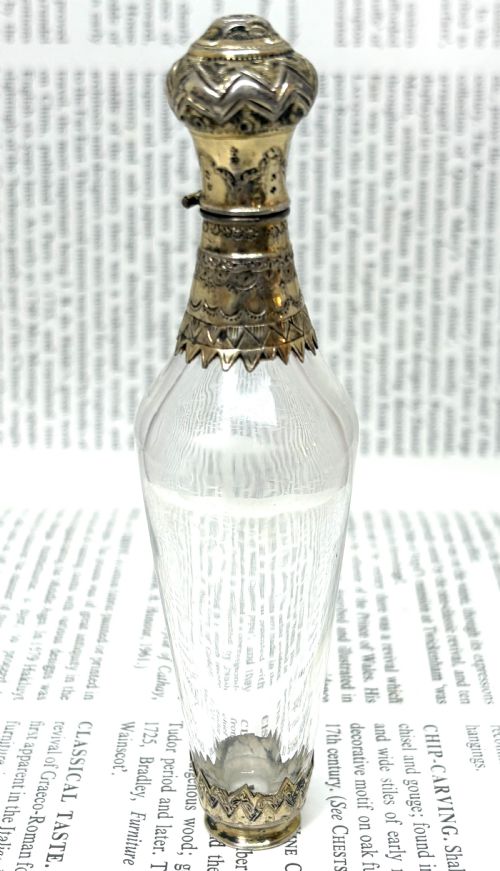
19th Century Flask
A 19th century flask brings portable refinement to a desk or pocket, uniting intricate craftsmanship with historical utility.
19th Century Flask
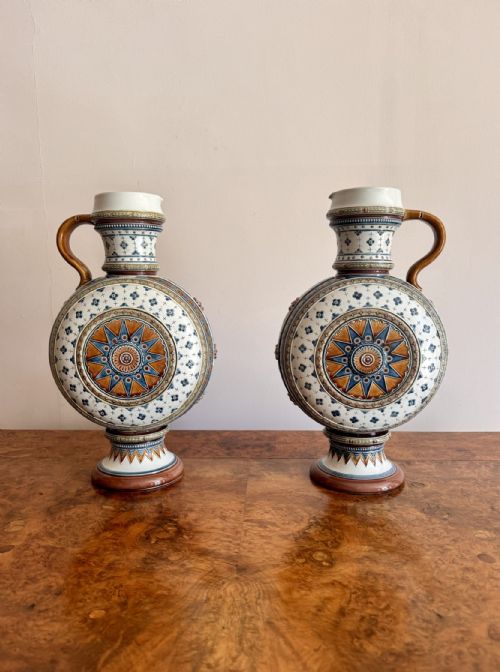
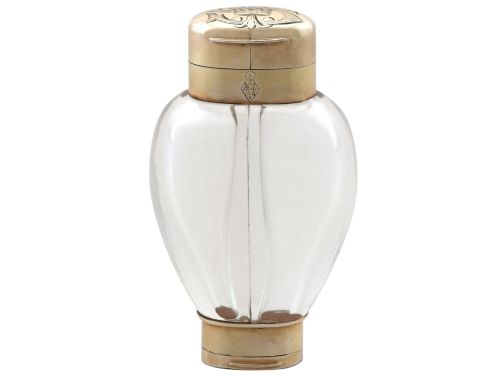
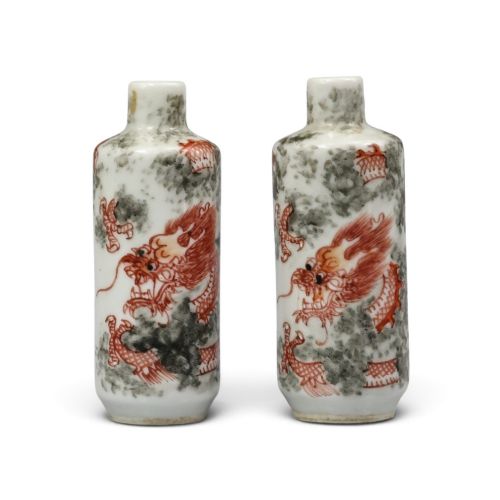
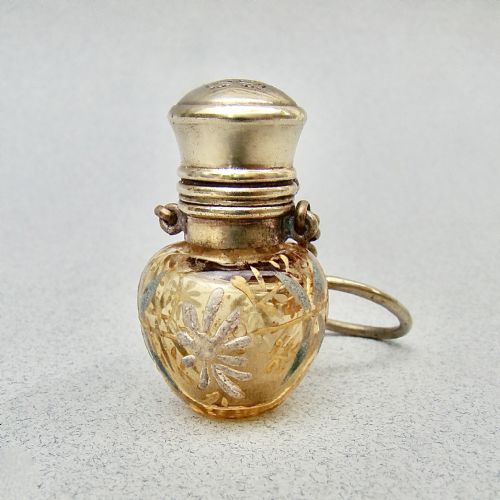
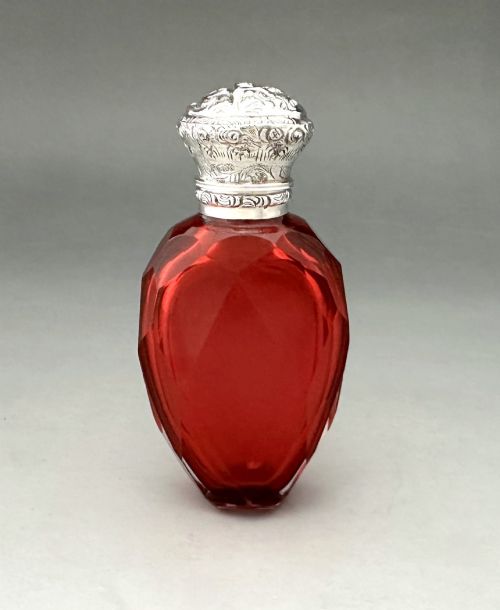
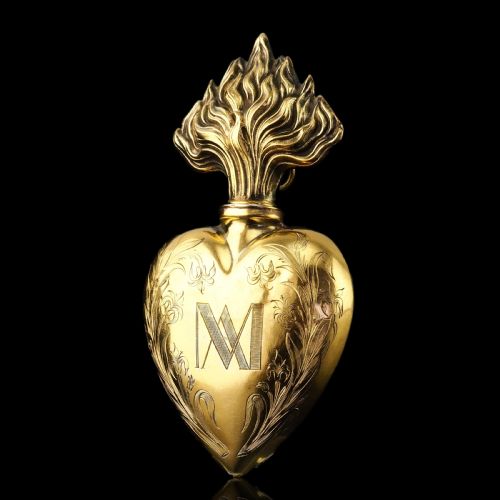
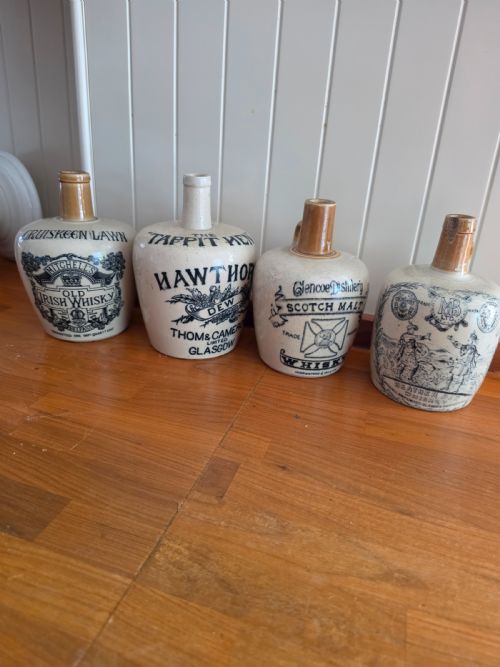
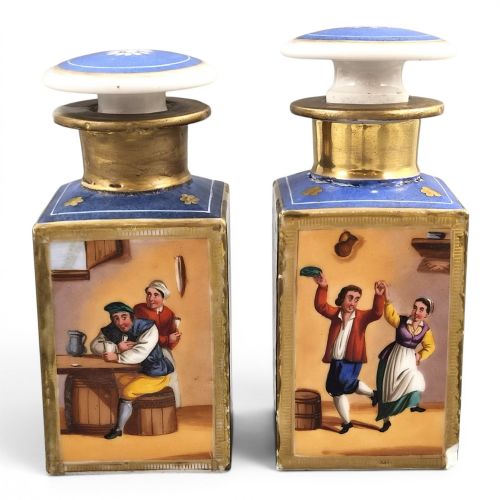
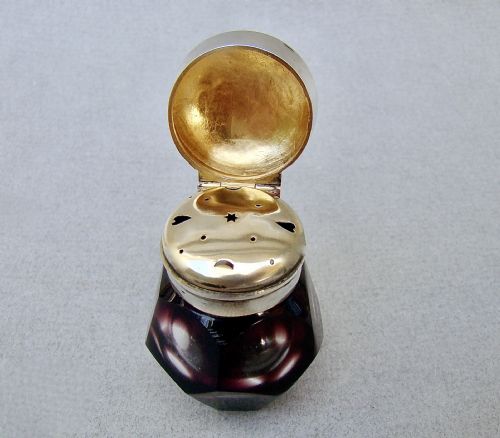
When you search for a 19th century flask, you encounter a remarkably diverse category encompassing personal scent containers, utilitarian spirit carriers, and intricately carved snuff bottles. The pieces on this page span from delicate Victorian glass scent bottles mounted in silver to robust ceramic whisky flasks and metal powder containers.
The domestic and personal nature of these objects means they were designed for daily carriage or private display. You will frequently meet French and English glass perfume vials alongside Chinese porcelain and jade snuff bottles from the same era.
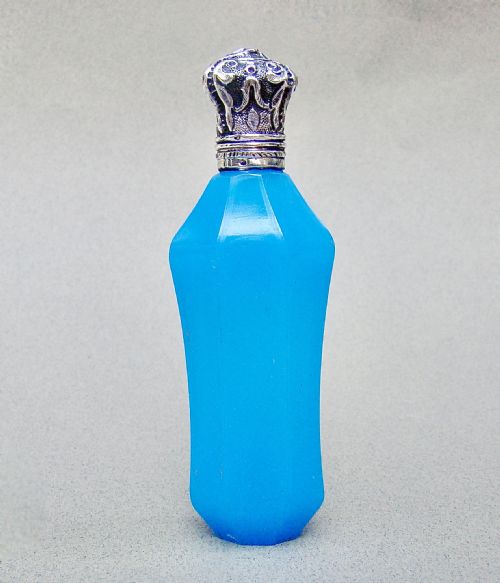
Makers adapted these vessels for specific social rituals, whether carrying perfume on a chatelaine, holding gunpowder for field sports, or dispensing spirits during travel. Each iteration reflects the distinct aesthetic priorities of its region of origin, from European opaline glass to Asian hardstone carving.
Materials and construction
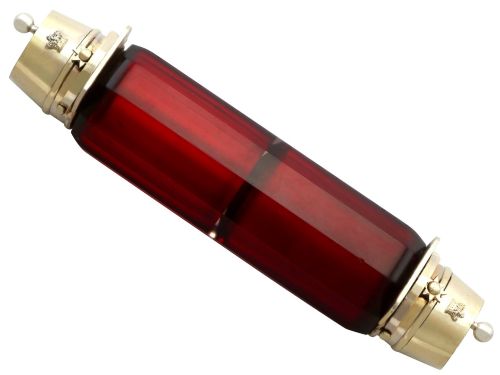
Glass forms the backbone of these pieces, utilising techniques like overlay cutting, enamelling, and gilding to create rich surface textures. Makers combined coloured glass bodies with chased silver screw caps, hinged vinaigrette grilles, or gilded bronze mounts.
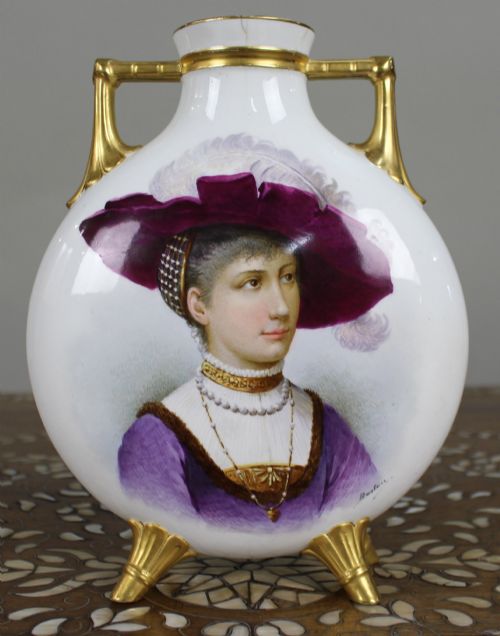
Ceramics and stone required entirely different skills, seen in the hand-painted porcelain of Qing dynasty snuff bottles and the precise carving of rock crystal and jade. Stoneware and earthenware whisky flasks relied on moulded clay bodies finished with salt glazes or rich brown slips.
Metal components involved casting, stamping, and engraving, particularly evident in brass powder flasks and silver-gilt scent containers. Artisans integrated these disparate materials through careful framing, securing glass within metal sleeves and fitting stone bottles with delicate stoppers.
19th Century Flask Retail Price Guide 2026
Typical asking prices for 19th century flask among the pieces listed under this phrase on Sellingantiques today, from the lower quarter to the upper quarter. They describe what is for sale here now, not the wider market.
Object forms range from pocket-sized chatelaine scent bottles and snuff containers to robust stoneware whisky jugs and military campaign spirit sets.
Assessing quality and execution
Quality reveals itself in the crispness of detail and the harmony of materials. In glasswork, superior pieces display precise wheel-cut overlays where the coloured layer contrasts sharply with the clear or opaline ground beneath, rather than soft or blurred edges.
For metalwork and ceramics, the distinction lies in the hand of the maker. Finely chased silver mounts fit the underlying glass or ceramic without gaps, and painted porcelain details show steady brushwork rather than rigid stencilling.
Jacob Petit·Royal Doulton·Franchini and Bigaglia
The 19th Century Flask Glossary
- Chatelaine
- A decorative belt hook suspended with chains carrying everyday items like scent bottles, keys, or sewing tools. These were widely worn by women in the Victorian period.
- Vinaigrette
- A small ornamental box or bottle featuring a perforated internal grille, designed to hold a sponge soaked in aromatic vinegar. They were used to mask unpleasant odours in crowded spaces.
- Opaline glass
- An opaque or semi-translucent glass developed in France during the nineteenth century, often tinted in soft shades of blue, pink, or white. It provides a smooth surface ideal for hand-painting and gilt highlights.
- Snuff bottle
- A small container used to hold powdered tobacco in traditional Qing dynasty society. These bottles typically feature a small spoon attached to the stopper for dispensing.
- Silver gilt
- Silver objects that have been coated with a thin layer of gold through a chemical or electrochemical process. This treatment prevents tarnish and gives the metal a warm, rich tone.
19th Century Flask: Frequently Asked Questions
What is the difference between a scent bottle and a perfume bottle?
Scent bottles from this era often incorporated internal compartments for solid perfumes, smelling salts, or vinaigrettes, frequently featuring hinged caps and pierced metal grilles. Standard perfume bottles focused primarily on liquid contents with ground glass stoppers.
Many smaller scent vessels were designed to hang from chatelaine chains, whereas larger perfume flasks remained stationary on dressing tables.
How do I distinguish Chinese snuff bottles from European scent bottles?
Chinese snuff bottles are characterised by materials like carved jade, rock crystal, and porcelain decorated with figures or dragons, and they rely on tiny recessed bases. European pieces predominantly use blown glass, opaline, or silver, often paired with elaborate metal mounts and hinged lids.
The scale and closure mechanisms also differ, as snuff bottles utilise tiny spoons fitted to simple stoppers while European bottles feature threaded collars or spring-loaded caps.
Were stoneware flasks used for daily spirits?
Stoneware and ceramic flasks served as durable commercial packaging for spirits, ale, and mineral water during the nineteenth century. Taverns and merchants distributed whisky and gin in these heavy vessels before glass bottles became standard.
Over time, collectors began valuing them for their salt-glazed surfaces, printed advertising, and commemorative moulded reliefs depicting political figures or sporting scenes.
How should I clean a silver mounted glass flask?
Silver mounts require gentle cleaning with a soft microfibre cloth and specialised silver polish, taking care to avoid contact with surrounding glass or enamel surfaces. Enamelled and gilded areas should be wiped only with a dry or barely damp cloth to prevent lifting.
Harsh chemical immersion can damage nineteenth-century glass patination and strip the original gilding from decorative highlights.
What defines a campaign spirit flask?
Campaign flasks were built for travel by military officers and explorers, featuring robust construction and fitted leather cases. They frequently included nesting drinking cups that locked over the base of the bottle to save space in luggage.
The materials prioritized durability, pairing thick glass or metal bodies with secure screw-down lids to withstand rough transport.