





19th Century Desk Decor
These pieces of 19th century desk decor bring heavy marble, warm wood, and cast bronze to a workspace, offering both practical utility and period character.
19th Century Desk Decor
This collection of 19th century desk decor spans useful writing implements and decorative desktop items from the Regency and Victorian periods. Buyers search for these pieces to add period presence to a study or library through inkstands, paperweights, and bookends.
The most common forms on this page include bronze figures, marble obelisks, and terrestrial globes. English and French workshops produced these items in materials ranging from patinated bronze to inlaid lignum vitae and boxwood.
Materials and construction
Metals form a large part of these pieces, utilising bronze, brass, and gilt bronze shaped through casting. Champleve enamel and tin-glazed earthenware also appear, adding colour and pattern to ink stands and faience pieces.
19th Century Desk Decor Retail Price Guide 2026
Typical asking prices for 19th century desk decor among the pieces listed under this phrase on Sellingantiques today, from the lower quarter to the upper quarter. They describe what is for sale here now, not the wider market.
Materials in these listings include marble, bronze, brass, wood, gilt bronze, paper, gilded metal, and tin-glazed earthenware.
Judging quality in desktop antiques
The standard of a piece depends on the crispness of the bronze casting and the precision of the stone work. Finer items show clean chasing on metal surfaces and tightly fitted pietra dura panels rather than crude assembly.
Material selection dictates the grade of the object, with dense marbles, heavy patinated bronzes, and carefully selected hardwoods separating standard items from finer workshop productions.
J. Forest·Crunchley
The 19th Century Desk Decor Glossary
- Grand Tour
- Souvenirs and decorative objects collected by wealthy travellers in Italy during the nineteenth century. These often include marble obelisks and pietra dura paperweights.
- Animalier
- A nineteenth-century artistic style focusing on realistic depictions of animals. Pieces in this style include bronze figures of foxes and horses.
- Pietra dura
- An artistic technique using cut and fitted polished coloured stones to create geometric or pictorial designs. This work appears on marble specimen paperweights.
- Champleve enamel
- A technique where troughs are dug into a metal surface and filled with vitreous enamel before firing. French makers utilised this process on decorative ink stands.
19th Century Desk Decor: Frequently Asked Questions
What items count as 19th century desk decor?
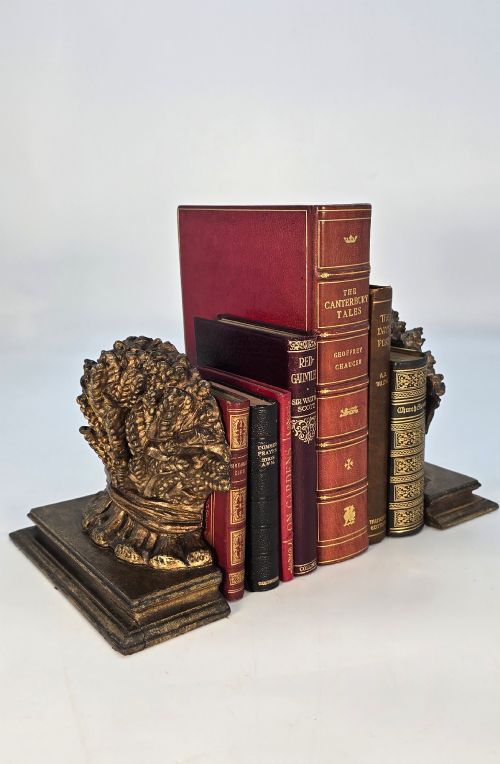
This category includes utilitarian writing equipment and decorative objects meant for a desk or library table. Common examples are inkstands, paperweights, bookends, and small globes.
These pieces were made by English and continental makers using materials like bronze, marble, and inlaid wood. They served both practical writing needs and ornamental display.
How were antique globes used on desks?
Terrestrial and table globes served as reference tools for geography, navigation, and global trade during the nineteenth century. Makers mounted these globes on timber bases for desktop consultation.
They allowed writers and scholars to check locations and territorial boundaries while working. Today, they function as decorative objects that anchor a room's scholarly atmosphere.
What is a Grand Tour souvenir?
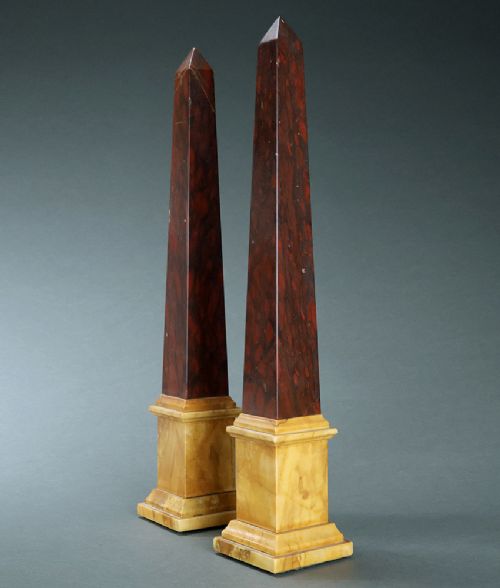
Grand Tour souvenirs were items purchased by travellers touring cultural sites in Europe, particularly Italy, during the nineteenth century. These objects include marble obelisks and stone paperweights.
Travellers brought them home as physical evidence of their education and travels. They reflect classical architecture and local stonecraft traditions.
How do I care for bronze and marble desk items?
Bronze pieces require gentle dusting with a soft brush to protect their patination and fine details. Avoid using harsh metal polishes that can strip the original finish.
Marble and stone items should be cleaned with a dry or barely damp cloth to prevent moisture damage. Keeping them away from direct heat sources protects any wooden bases and inlaid elements.