






19th Century Coastal Seascape
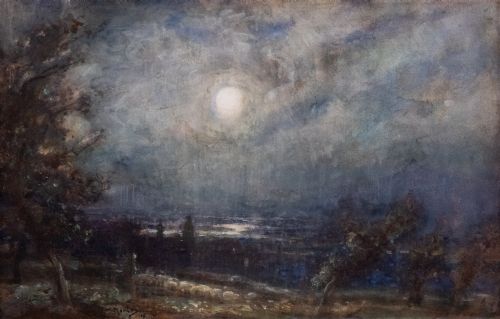
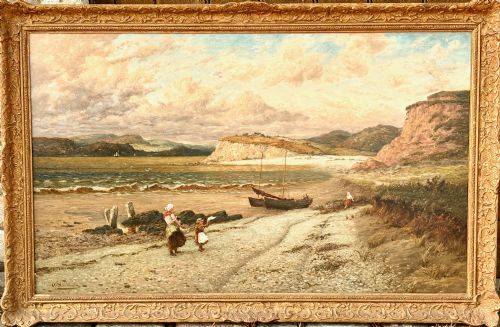
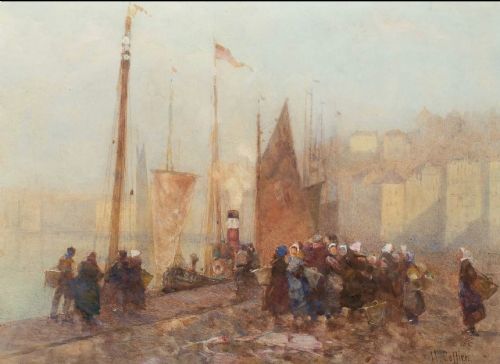
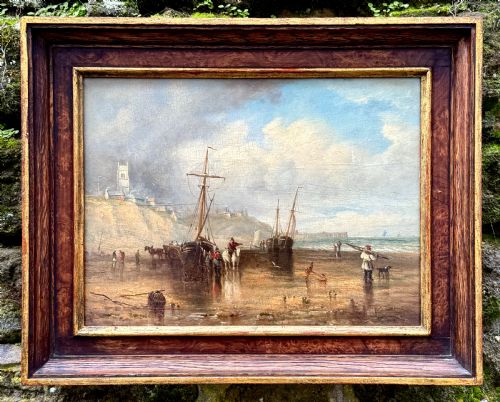
A 19th century coastal seascape captures the shifting light and maritime trade of British and European shores through oil and watercolour.
19th Century Coastal Seascape
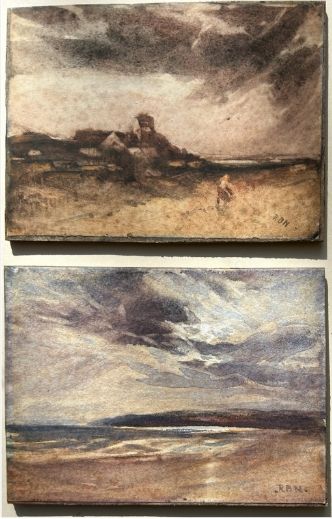
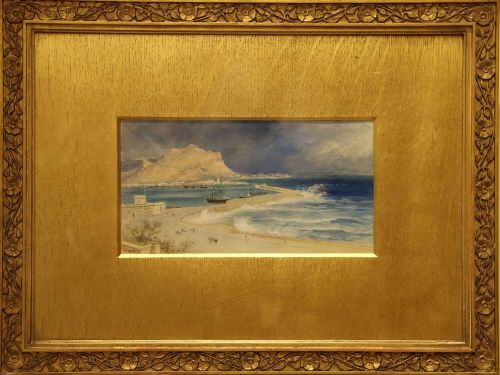
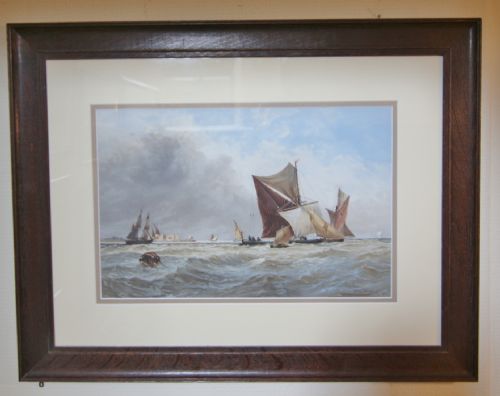
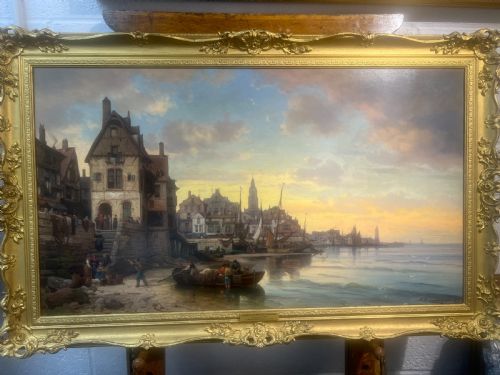
A 19th century coastal seascape records harbours, fishing fleets, and maritime traffic across British and international waters during the Victorian era. These works range from intimate watercolours on paper to large-scale oil paintings on canvas framed in gilt wood.
Buyers encounter depictions of specific locations such as Whitby, Scarborough, and St Ives alongside broader marine compositions. The selection spans traditional English and Scottish views executed by regional artists and professional marine painters.
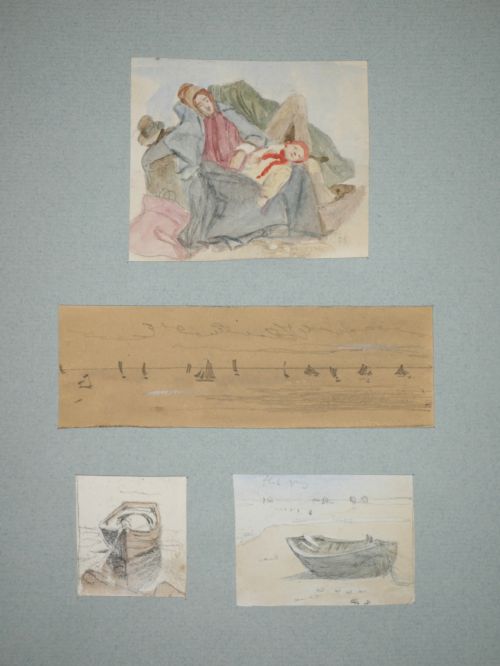
The category encompasses finished gallery pieces, preliminary sketches, and works on paper created throughout the 1800s and into the early decades of the twentieth century. These paintings reflect both documentary interest in coastal industries and artistic exploration of marine weather.
How they were made
Artists utilised oil paint applied to canvas, wood panels, or millboard to build durable marine scenes with textured surface movement. Watercolour on paper was equally common, allowing painters to capture translucent washes for skies, coastal spray, and open sea.
Finished works were typically housed in decorative gilt wood frames designed to complement the tonal range of the maritime subject matter. Support materials frequently included heavy paper, card, and stretched canvas prepared with traditional priming grounds.
Listings feature works spanning the Victorian era, utilising oil on canvas, watercolour, and paper supports.
What varies in quality
Quality rests upon the artist's ability to render atmospheric conditions, maritime architecture, and the precise rigging of vessels with anatomical correctness. Superior watercolours display confident brushwork without muddying pigment, while accomplished oils manage light reflection on water and shifting cloud formations.
Provenance and documentation elevate individual pieces, particularly when a painting identifies a specific harbour, vessel, or date. The integration of original framing and the preservation of the pigment layer without extensive overpainting also influence the standing of an artwork.
James Hardy·James Orrock·Thomas William Morley·Hector Caffieri·Bernard Benedict Hemy·Thomas Creswick·Thomas Bush Hardy·Charles Euphraisie Kuasseg·John Wilson Carmichael·Joseph Farquharson·John Moore of Ipswich·William Matthison·William Henry Williamson·John Holland·George Stanfield Walters·Abraham Hulk I·Henry Barlow Carter·John Moxon·William Frederick Settle·Charles William Adderton·William Edward Webb·Gustave De Bréanski·Pieter Cornelis Dommersen·Sir Thomas Newenham Dean·Ernest Dade
The 19th Century Coastal Seascape Glossary
- Oil on canvas
- A painting technique where pigmented oil paint is suspended in drying oils and applied to a woven fabric support stretched across a wooden frame. This medium allowed artists to build rich textures and deep tones suitable for stormy seas.
- Watercolour
- A painting method where water-soluble pigments are suspended in a water-based solution to create translucent washes on paper. It was frequently employed by 19th-century artists for field sketches and finished coastal views.
- Gilt wood
- Wood carved and coated with a thin layer of gold leaf or metallic gilt paint, commonly used for framing 19th-century fine art. These frames often feature ornate moulding designed to enhance the visual depth of marine paintings.
- Marine art
- Artistic representation of the sea, ships, shoreline, and maritime activities. This genre encompasses both documentary records of shipping and romantic interpretations of coastal landscapes.
- Panel
- A rigid flat support made from wood or board used by artists as an alternative to stretched canvas. Panels provide a stable surface for detailed brushwork in smaller maritime compositions.
19th Century Coastal Seascape: Frequently Asked Questions
How do I care for a 19th century watercolour?
Keep watercolours away from direct sunlight to prevent fading of the delicate pigments used in maritime scenes.
Display them behind UV-filtered glass and maintain stable indoor humidity levels to protect the paper support.
Are these paintings signed by the artist?
Many of the works carry the original signature or monogram of the painter, often placed in a lower corner of the canvas or paper.
Unsigned pieces are frequently attributed through stylistic comparison, archival records, or contemporary gallery labels on the reverse.
What subjects appear in these coastal scenes?
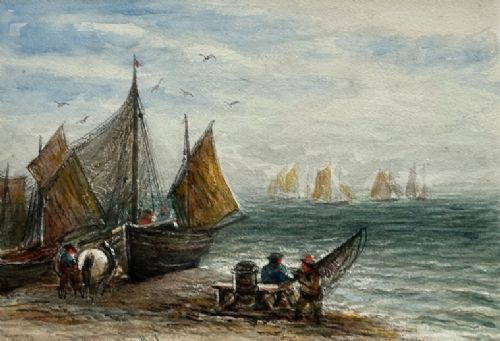
The compositions depict working harbours, fishing vessels landing their catch, naval warships at anchor, and rugged cliffs along British shores.
Scenes also record daily coastal life, including seaweed gatherers and local craft navigating coastal tides.
How do I identify the date of a painting?
Dates are sometimes inscribed directly onto the front or back of the canvas, board, or paper by the artist.
Stylistic markers, framing materials, and artist biography records help narrow the creation period when a specific date is absent.