

19th Century Classical Figure
A 19th century classical figure brings the enduring myths and heroic ideals of antiquity directly into your study or drawing room.
19th Century Classical Figure
A 19th century classical figure draws directly upon ancient Greek and Roman sculpture, mythology, and literature for its inspiration. These pieces capture deities, heroes, philosophers, and allegorical subjects translated through the aesthetic lenses of Neoclassicism, the Grand Tour, and the various 19th-century revivals.
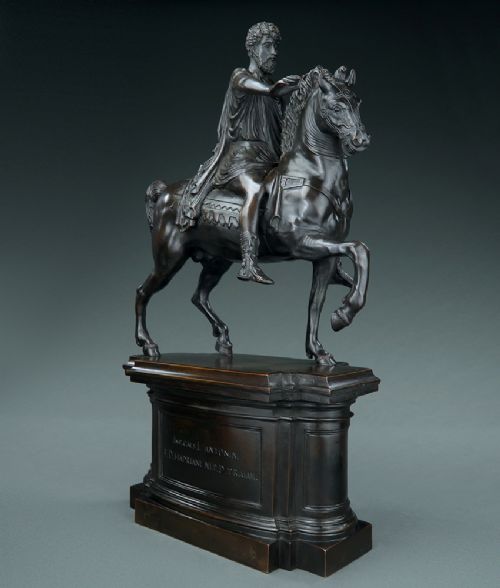
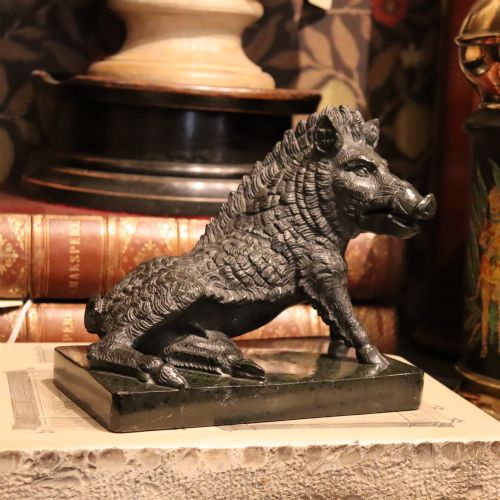
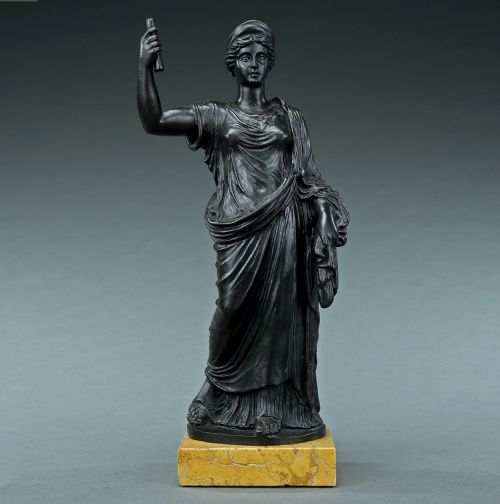
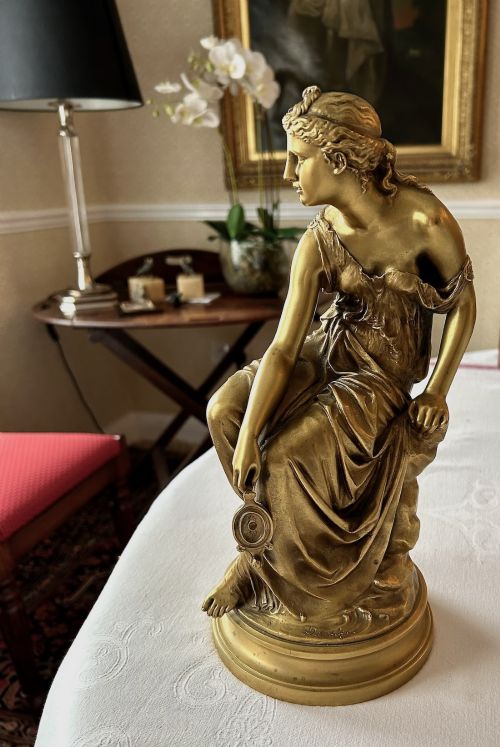
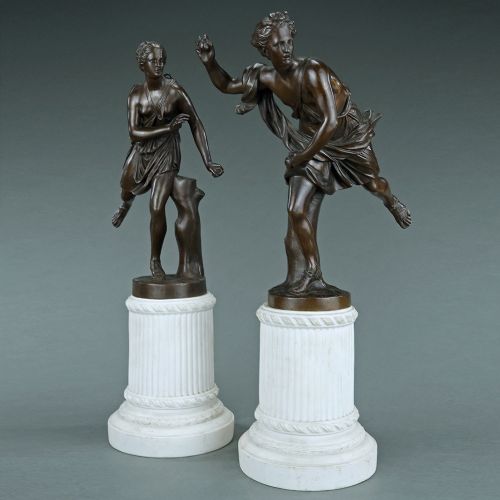
The versions most commonly met on this page include bronze reductions of famous antique statues, carved marble studies from Italian workshops, and patinated metal figures produced by major French foundries. Collectors also encounter terracotta, porcelain, and mixed-media works that adapt classical motifs into decorative lamps and busts.
Subjects range widely from major mythological figures like Venus, Bacchus, and Mercury to historical literary characters and allegorical putti. Whether cast in Paris or carved in Florence, each piece reflects the period's profound fascination with classical antiquity.
Materials and methods of production
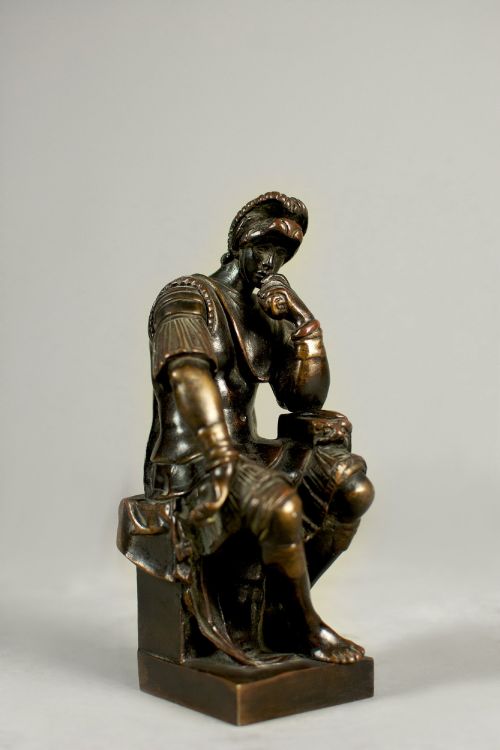
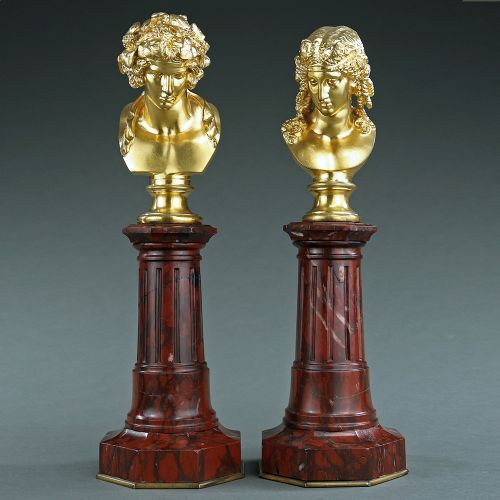
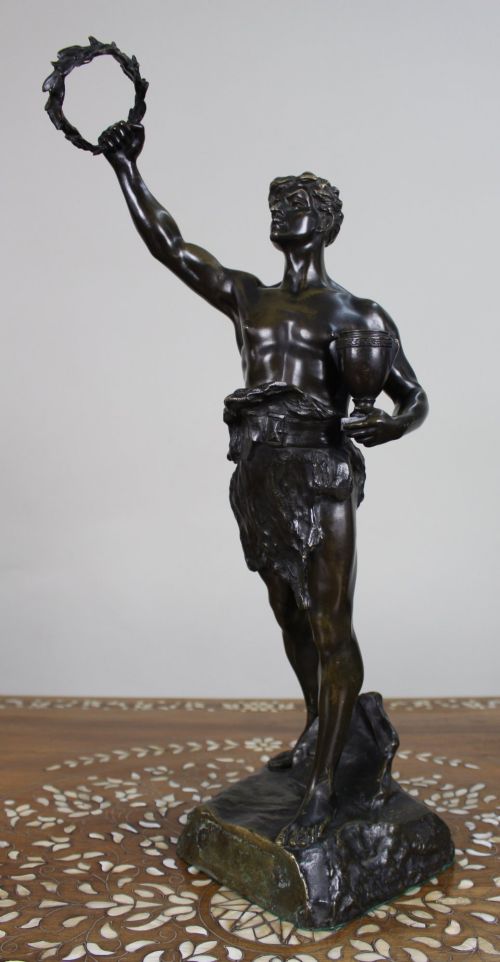
Bronze casting dominated the production of high-end figures, frequently utilising the lost-wax technique or sand-casting methods perfected by prolific European foundries. These bronzes often received careful chemical patination to simulate ancient patinas or were embellished with fire-gilding.
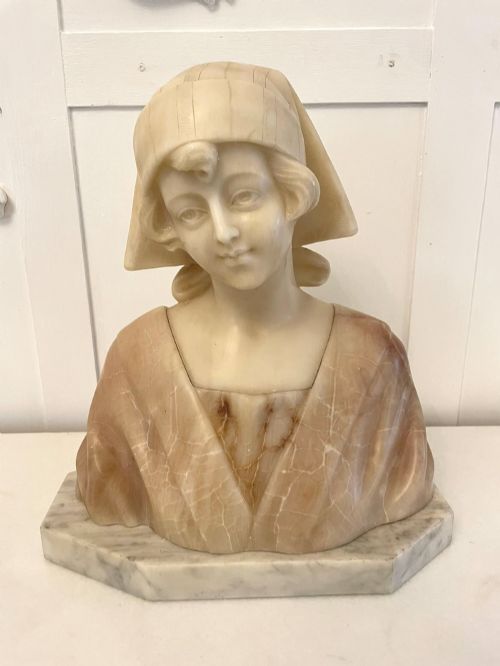
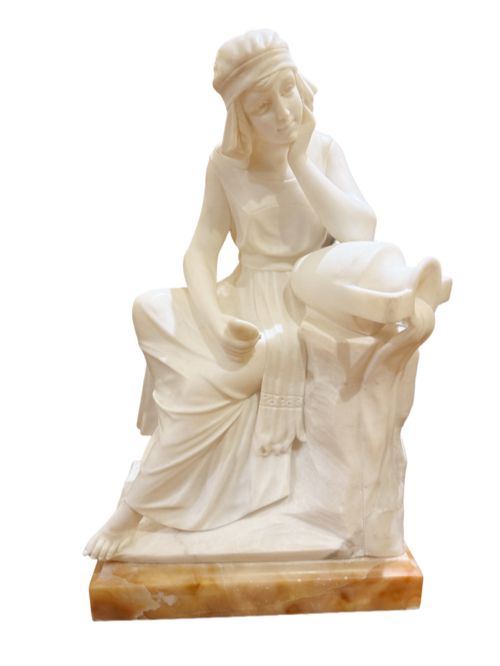
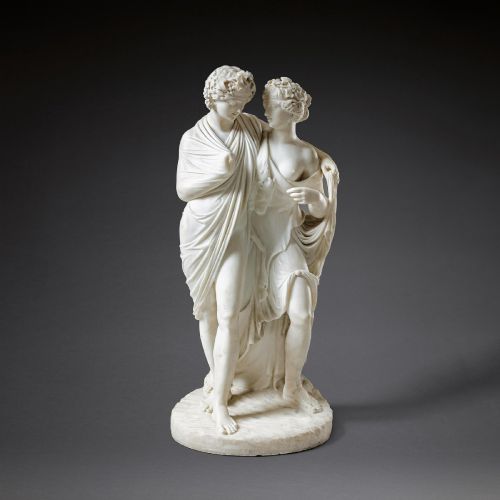
Carved marble and alabaster works required exceptional skill from specialist stone-cutters, particularly when rendering the delicate folds of drapery and soft musculature seen in pieces after the antique. Workshops in Italy and France produced both independent statues and mounted groups affixed to fossil marble or slate bases.
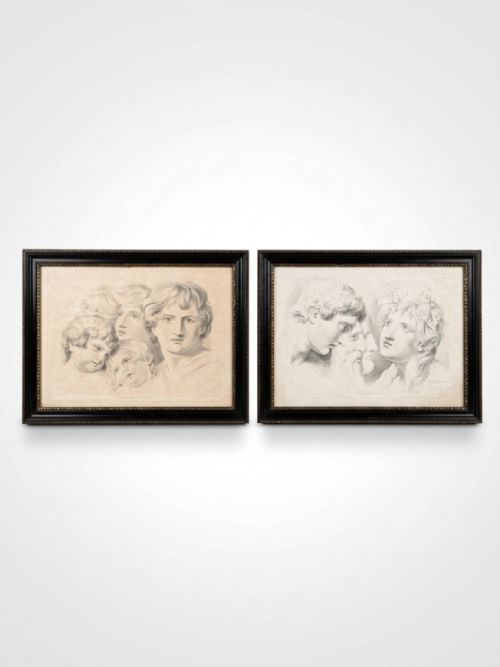
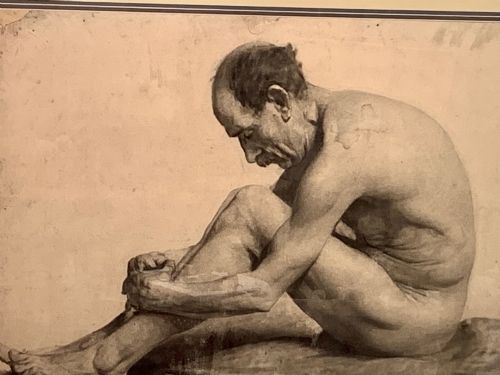
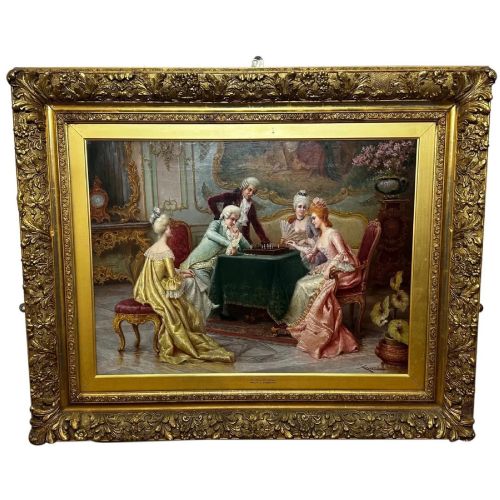
Mixed media and preparatory works also appear across the listings, incorporating oil on canvas, ink and wash, and porcelain pate sur pate. These varied techniques allowed artists to translate classical themes into two-dimensional studies and decorative functional objects.
Even a stoic philosopher like Sophocles occasionally finds himself cast in miniature alongside cheerful harvest putti.
Determinants of quality
The crispness of the chasing and the fidelity of the cast separate superior metal figures from routine commercial productions. Master founders ensured that musculature, facial expressions, and intricate drapery retained sharp anatomical definition without losing the fluidity of the original antique model.
Material selection and the depth of manual finishing dictate the standing of carved stone and marble pieces. Superior items display subtle translucency in the stone, sensitive hand-polishing across exposed flesh, and deeply undercut details that give the subject genuine sculptural presence.
The reputation of the foundry or the individual artist provides a clear tier of distinction among cabinet bronzes and large-scale groups. Signed works associated with celebrated bronze-makers or documented Italian carving studios carry greater artistic authority than anonymous factory output.
Etienne-Henri Dumaige·Ferdinand Barbedienne·Carlo Albacini·E Rousseau·Pierre Philippe Thomire
The 19th Century Classical Figure Glossary
- Grand Tour
- A traditional trip of Europe undertaken by upper-class European young men of sufficient means to flourish their education. Souvenirs purchased along the way frequently included bronze reductions of canonical statues.
- Patinated bronze
- A metal sculpture treated with chemical solutions to produce a specific surface colour and finish. This process protects the alloy while enhancing the visual depth of the drapery and contours.
- Parian
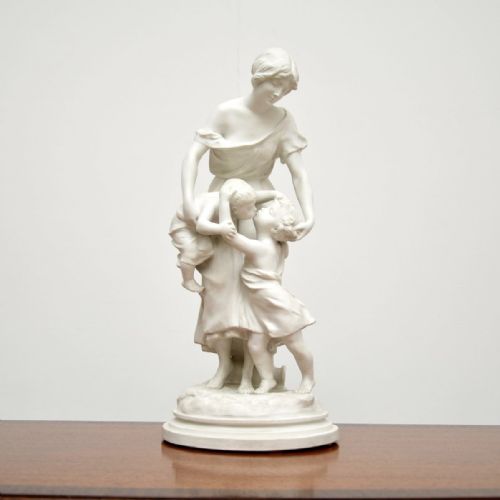
- A fine white ceramic material developed in the 19th century to imitate carved marble. It allows porcelain figures to display the smooth textures and matte finish associated with classical statuary.
- Verdo prato
- A decorative green marble commonly utilised for architectural bases and sculptural mounts. Its varied coloration provides a rich mineral contrast to patinated metal figures.
- Pate sur pate
- A ceramic technique where wet white slip is painted layer upon layer onto a contrasting coloured clay body. This method creates a translucent, low-relief cameo effect on porcelain vessels and lamps.
19th Century Classical Figure: Frequently Asked Questions
What is a Grand Tour bronze?
A Grand Tour bronze is a miniature or reduced-scale sculpture acquired by travellers visiting the classical sites of Italy during the 19th century. These souvenirs allowed collectors to bring home portable representations of famous museum antiquities.
Foundries in Naples, Rome, and Florence specialised in casting these high-fidelity figures in bronze and mounting them on marble plinths for display in British and European homes.
How were these figures displayed originally?
In 19th-century interiors, classical figures occupied prominent positions on library tables, mantelpieces, and dedicated sculpture pedestals. They served as conversation pieces that demonstrated the owner's classical learning and refined taste.
Larger bronzes and marble groups often anchored the corners of reception rooms, while smaller busts and pairs of figures decorated writing desks and bookcases.
How do I distinguish between a bronze and a metal alloy?
True bronze is a heavy alloy of copper and tin that yields a resonant sound when lightly tapped and develops a stable, rich surface patina over time. Many 19th-century decorative pieces were instead cast from zinc or spelter and given a bronze-coloured metallic paint.
Examining the underside of the piece or areas of high wear often reveals the lighter, silvery-grey metal beneath the surface finish of a spelter casting.
Are these figures solid or hollow?
Most substantial 19th-century bronze and marble sculptures are hollow-cast or constructed to manage weight and material cost. Bronze figures produced by major foundries utilised core pins and shell casting techniques that left a hollow interior.
This method ensured even cooling during the casting process and kept the overall weight manageable for domestic display on wooden furniture.