
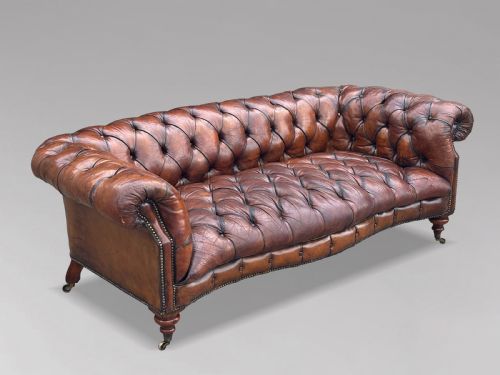


19th Century Chesterfield
A 19th century chesterfield brings deep-buttoned comfort and enduring British craftsmanship into a modern interior.
19th Century Chesterfield
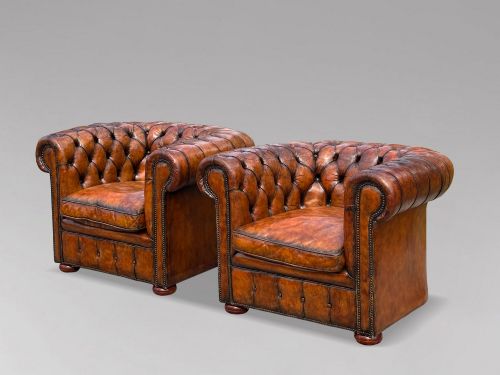
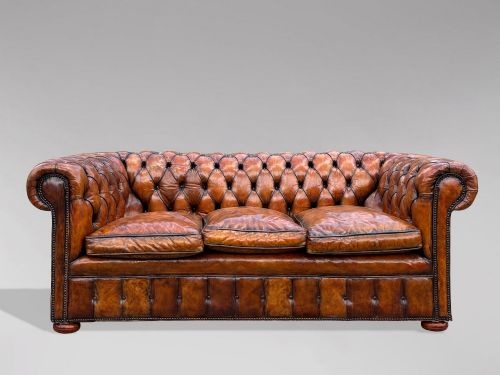
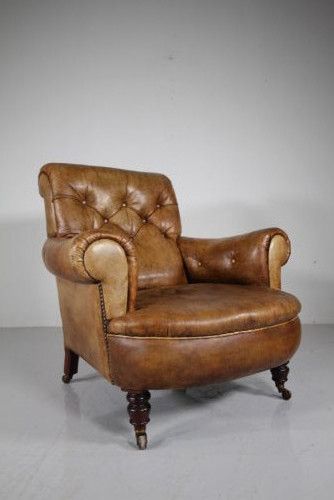
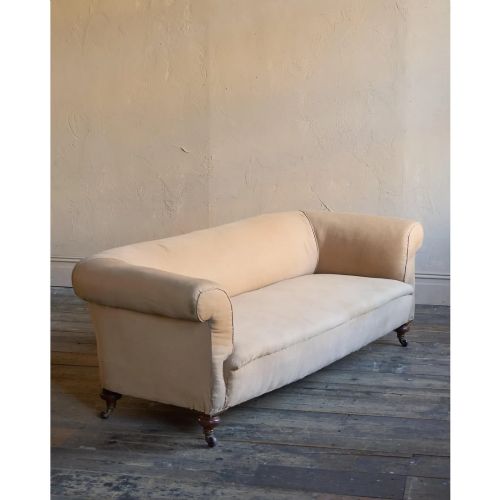
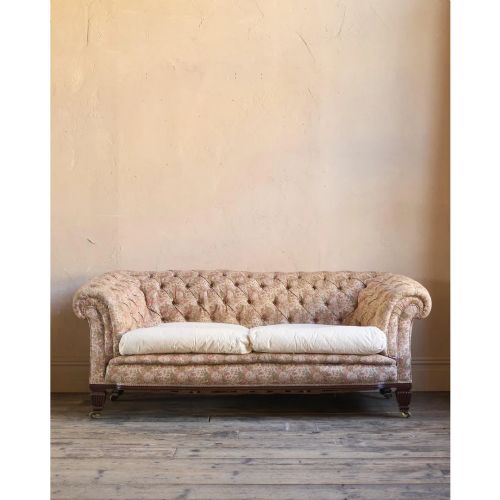
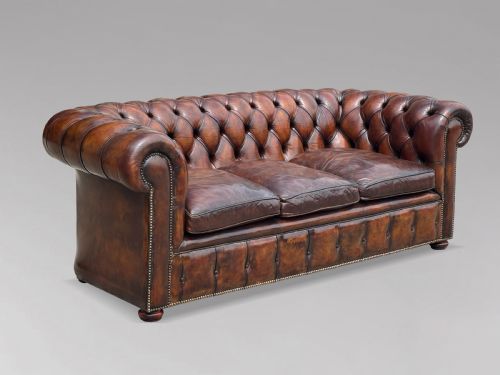
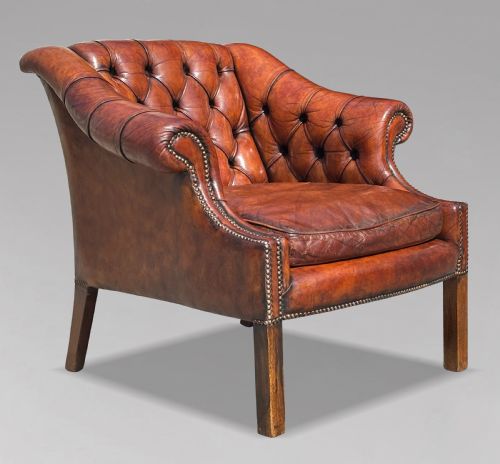
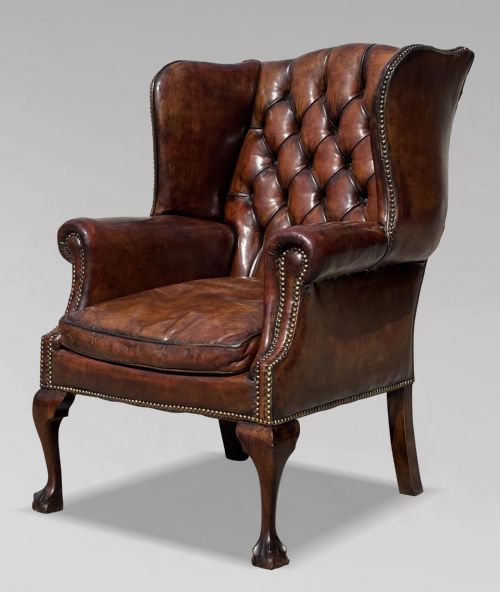
When you search for a 19th century chesterfield, you encounter robust seating designed for Victorian drawing rooms, libraries, and country houses. The most common forms on this page are generous three-seater sofas and deep club armchairs, alongside occasional chaise longues and dining chairs.
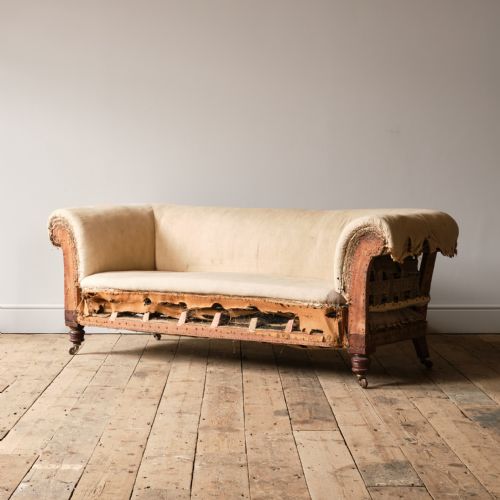
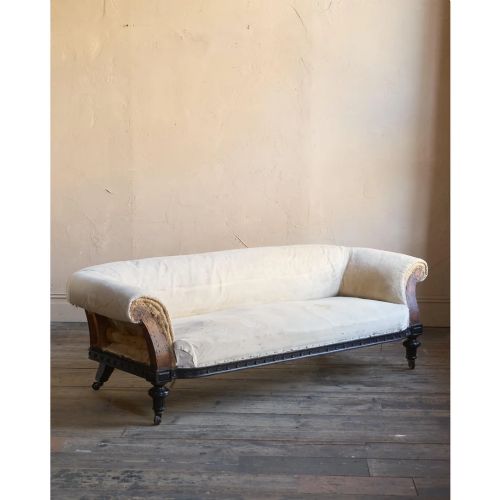
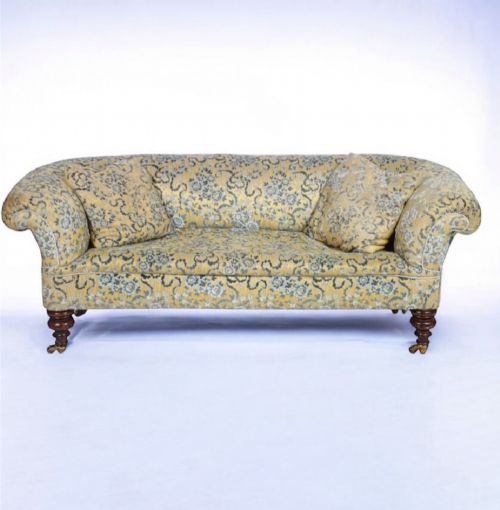
Makers of the period built these pieces on sturdy timber frames, integrating rolled arms and characteristic low backs. Examples range from plain show-frame walnut and mahogany structures to large upholstered frames covered in leather, fabric, or calico.
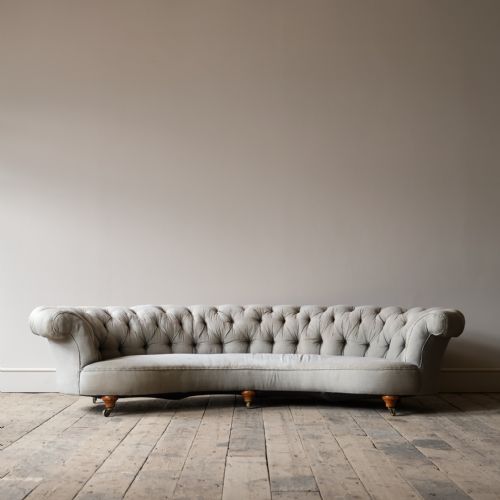
The aesthetic spans strict Victorian utility to the ornate carvings of the William IV and Regency eras, as well as the later curves of the Aesthetic Movement. Buyers select them for their generous proportions and historical presence.
How they were made
Makers constructed the foundational frames using dense timbers such as mahogany, walnut, oak, and general hardwoods. These carcases supported heavy stuffing and traditional internal springing necessary for deep seating.
Upholstery relied on durable materials including leather, velvet, calico, and fabric. Workshops finished these surfaces with hand-applied brass tufting and decorative nails to secure the upholstery to the timber frame.
19th Century Chesterfield Retail Price Guide 2026
Typical asking prices for 19th century chesterfield among the pieces listed under this phrase on Sellingantiques today, from the lower quarter to the upper quarter. They describe what is for sale here now, not the wider market.
Form variations on this page include three-seater sofas, club armchairs, chaise longues, desk armchairs, and dining chairs.
What varies in quality
The distinction between average and exceptional pieces rests in the integrity of the original timber frame and the precision of the upholstery work. Maker attribution to notable London workshops elevates a piece through documented provenance and superior cabinetmaking.
The grade of leather or textile dictates tactile appeal, with hand-dyed leathers and rich velvets showing superior ageing compared to standard coverings. Retaining original structural components rather than undergoing total replacement preserves historical character.
Howard And Sons·Hampton And Sons·Jas Shoolbred·Robert Strahan And Co·Holland And Sons·Gregor And Co·Gillows·Sopwith·C Hindley And Sons·Cornelius V Smith
The 19th Century Chesterfield Glossary
- Chesterfield
- A large upholstered sofa or armchair characterised by rolled arms of the same height as the back and deep button tufting. It represents a staple of 19th-century British domestic seating.
- Show frame
- A wooden structural frame left partially exposed around the upholstered elements of a chair or sofa. Walnut and mahogany were frequently utilised for this decorative purpose.
- Chaise longue
- An upholstered long chair designed for reclining, featuring a single raised backrest at one end. They appear frequently in 19th-century domestic settings.
- Calico
- A plain-woven cotton fabric utilised as an under-upholstery layer on high-end frames. It often served as the foundation before final leather or velvet covering was applied.
- Pollard oak
- Oak timber patterned with small clusters of dormant buds that created decorative circular rings in the grain. This material was selected for luxury Regency dining and library chairs.
19th Century Chesterfield: Frequently Asked Questions
What is a 19th century chesterfield?
A 19th century chesterfield is a traditional British upholstered seat featuring low backs and rolled arms of equal height. These pieces were built by period cabinetmakers for country houses and urban libraries.
They appear primarily as large leather sofas and club armchairs with deep buttoning. The category also includes walnut show-frame settees and occasional chaise longues.
How were these sofas used?
Original owners placed these large seats in principal entertaining rooms, studies, and gentlemen's clubs for formal and casual seating. Their deep proportions allowed for comfortable lounging.
Library and dining variations served utilitarian roles around large desks and dining tables. Smaller armchairs functioned as occasional seating in private chambers.
How do I live with one?
Integrating a period piece requires acknowledging its generous physical scale within a modern room layout. Leather examples benefit from simple conditioning to maintain the material.
Positioning them away from direct heat sources protects the antique timbers and historical upholstery. Their neutral tones and rich patinas allow them to anchor contemporary or traditional interiors.
How do I tell periods apart?
Regency and William IV pieces display earlier classical proportions alongside timbers like pollard oak and mahogany. Mid-to-late Victorian items often introduce walnut show-frames and heavier buttoned leather.
Aesthetic Movement examples reveal distinct stylistic shifts through leaner profiles and curated fabric choices. Maker stamps on the timber frame provide concrete chronological markers.