



19th Century Cane Handle
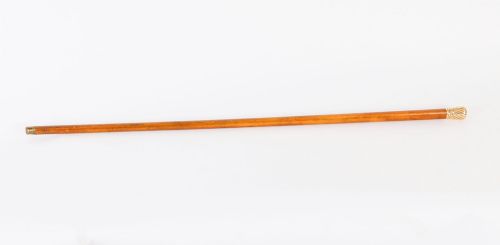
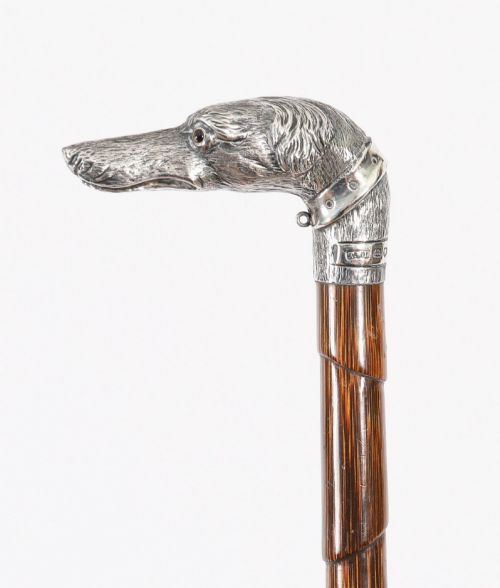
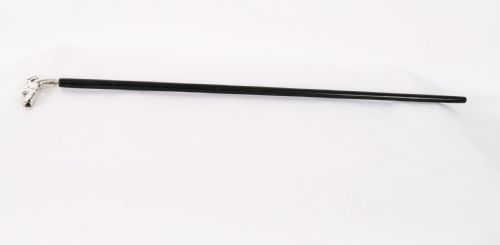
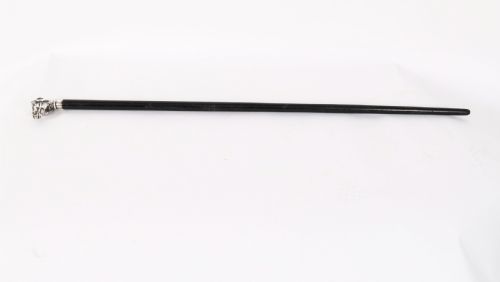
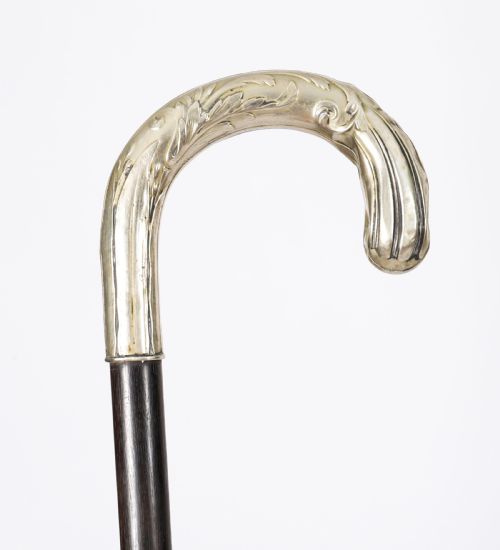
A 19th century cane handle offers a glimpse into gentlemanly style, featuring carved animals and precious metals designed to top a daily walking stick.
19th Century Cane Handle
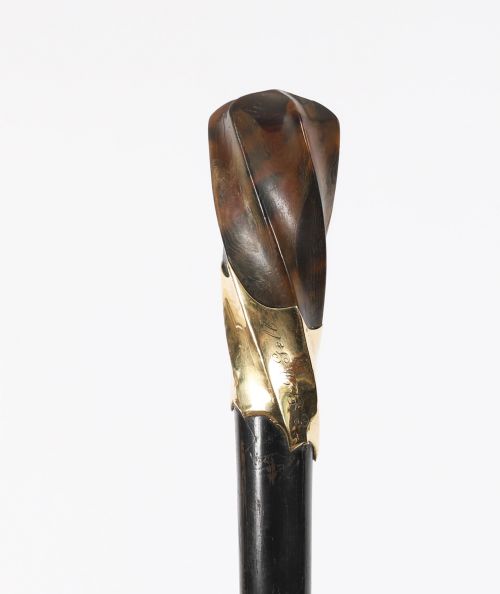
You meet animal forms such as greyhounds, horses, bulldogs and rabbits cast in silver or carved from horn, alongside porcelain and ceramic sections. Many examples originate from French workshops or bear the mark of makers like Brigg.
The objects combine utility with decorative display, reflecting the fashion of the period when gentlemen and children carried walking canes as part of daily attire. Some pieces double as functional tools, integrating snuff boxes or musical elements like a timber flute.
What varies in quality
The integrity of the materials also dictates the standard, with heavy silver mounts, solid 18ct gold pommels and intact Sevres or Meissen porcelain holding higher regard than plated base metals.
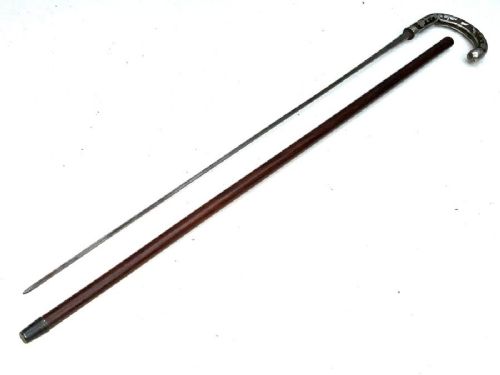
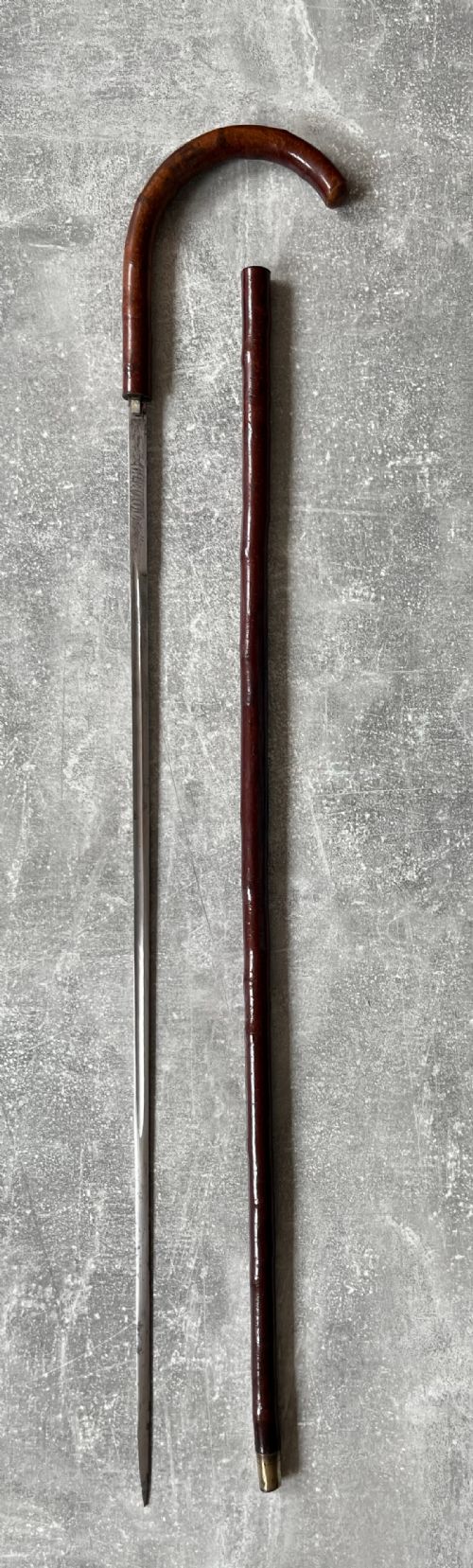
Mechanical complexity separates ordinary walking sticks from exceptional gadget pieces, where hidden corkscrews, functional snuff boxes and concealed blades operate smoothly within the timber housing.
19th Century Cane Handle Retail Price Guide 2026
Typical asking prices for 19th century cane handle among the pieces listed under this phrase on Sellingantiques today, from the lower quarter to the upper quarter. They describe what is for sale here now, not the wider market.
Listings feature woods like malacca and snakewood alongside silver mounts, 18ct gold pommels and painted Meissen porcelain.
Brigg
The 19th Century Cane Handle Glossary
- Pommel
- The rounded knob or handle at the top of a walking stick. It provides a comfortable grip for the hand.
- Gadget cane
- A walking stick containing a hidden tool or utility such as a corkscrew, sword, flute or snuff box. These pieces served a dual purpose for the Victorian owner.
- Sevres
- A French porcelain manufactory known for fine ceramic bodies and hand-painted decoration. Handles from this origin appear mounted on walking sticks.
- Meissen
- A German porcelain producer famous for decorated ceramics. Their pieces on cane handles feature detailed hand-painted floral motifs.
- Silver plate
- A thin layer of silver applied to a base metal core. This technique allowed makers to achieve the look of solid silver at a lower cost.
19th Century Cane Handle: Frequently Asked Questions
What is a 19th century cane handle?
A 19th century cane handle is the upper grip or pommel attached to a walking stick, sword stick or cane. These pieces were fashioned from materials like silver, gold, porcelain and carved horn.
They often took the form of animal heads or decorative motifs, reflecting the fashion and utility requirements of the Victorian period.
How do I identify a sword stick?
A sword stick appears as a standard walking cane but conceals a steel blade within the wooden shaft. Many feature a collar or joint where the handle unscrews or unlatches from the body.
Craftsmen often used malacca, cherrywood or ebonised timber for the exterior housing to disguise the weapon.
What materials were used for these handles?
Makers utilised a range of materials including solid silver, 18ct gold, brass, steel, bone and horn. Porcelain from manufacturers like Meissen and Sevres also formed delicate hand-painted grips.
Support shafts typically consisted of hardwoods such as cherrywood, snakewood and malacca.
How do I display a cane handle?
Cane handles attached to full walking sticks rest well in umbrella stands or specialised wall-mounted display racks. Complete pieces should be kept away from direct sunlight and excessive moisture to preserve the wood and metal.
Detached handles sit securely on small display stands designed to highlight the carving or porcelain detail.