



19th Century Bamboo Seat
A 19th century bamboo seat brings genuine exotic character and lightweight architectural charm to an interior.
19th Century Bamboo Seat
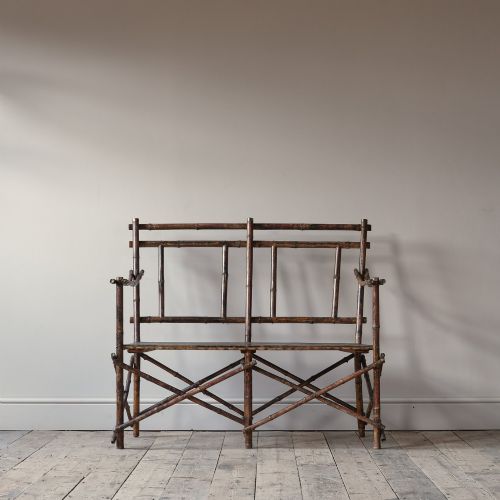
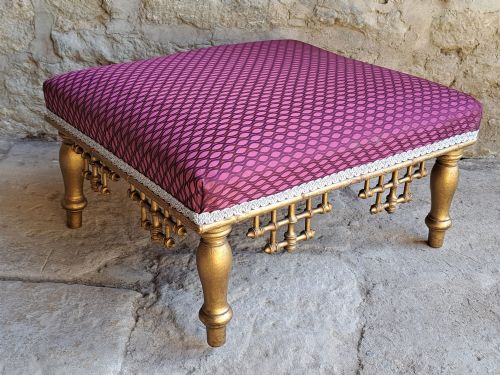
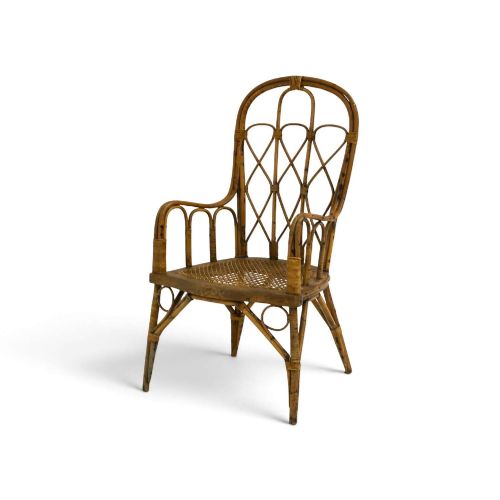
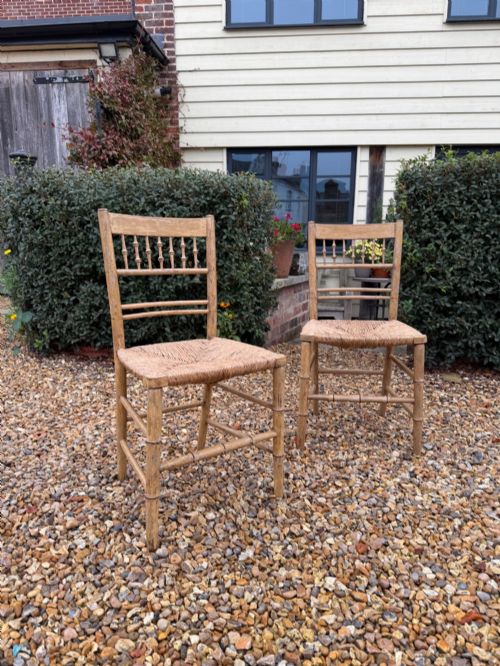
When you search for a 19th century bamboo seat, you find an array of seating furniture spanning side chairs, armchairs, benches, and children's high chairs. The examples on this page encompass both natural materials and simulated finishes reflecting Regency, Victorian, and Chinoiserie tastes.
The version you are most likely to meet on this page is the painted or faux bamboo chair, alongside natural cane and rattan pieces. Makers utilised beech and other woods, shaping them to mimic the distinct joints of bamboo stalks for fashionable European and domestic interiors.
Origin and period styles dictate the exact form, ranging from French Napoleon III and Louis Philippe folding designs to English Regency painted armchairs. These seating pieces served multiple domestic roles, from parlour side chairs to nursery seating.
Materials and Construction
Construction relies upon natural bamboo, rattan, and cane paired with carved wood such as beech. Artisans bent and joined these materials to create sturdy frames, often weaving cane or rush for seats and back panels.
Many pieces feature original paint, ebonised finishes, or simulated bamboo decoration applied to wood. This decorative surface work mimics the natural node-like growth of genuine bamboo plants.
19th Century Bamboo Seat Retail Price Guide 2026
Typical asking prices for 19th century bamboo seat among the pieces listed under this phrase on Sellingantiques today, from the lower quarter to the upper quarter. They describe what is for sale here now, not the wider market.
Object types seen on this site range from side chairs and armchairs to children's armchairs, benches, and high chairs.
Assessing Quality and Execution
Quality rests in the fidelity of the carved bamboo effect on wooden frames and the tightness of the original canework or rush seating. Pieces retaining their original painted or ebonised surfaces hold greater visual integrity.
Proportion and decorative detailing separate standard utility pieces from finer examples, particularly in Regency and Chinoiserie variants. The complexity of the joinery and the survival of early or original paint finishes determine distinction.
Cyrus Wakefield
The 19th Century Bamboo Seat Glossary
- Faux bamboo
- A decorative treatment where wood, typically beech, is carved and painted to resemble natural bamboo stalks. This technique was widely utilised during the Regency and Victorian periods.
- Canework
- A woven grid pattern made from rattan peel, commonly used for the seats and backs of light chairs. It offers both flexibility and durability.
- Chinoiserie
- A European artistic style reflecting Chinese motifs and cultural aesthetics, prominent in furniture decoration and paintwork. It frequently appears in 19th century seating design.
- Ebonised
- Wood treated with a dark finish to imitate expensive ebony. This process was popular for accentuating the crisp joints of faux bamboo frames.
19th Century Bamboo Seat: Frequently Asked Questions
What periods do these seats cover?
The listings encompass items spanning the Regency period through the nineteenth century, including specific dates into the early twentieth century.
Designs reflect Victorian, French Napoleon III, Louis Philippe, and Chinoiserie stylistic influences.
Were these chairs used indoors?
These seating pieces were designed primarily for domestic interiors, functioning in parlours, bedrooms, and reception rooms. Their lightweight nature made them versatile for movement around the home.
Specialist forms such as children's high chairs and folding campaign chairs served specific household needs.
What materials make up the seats?
Many examples utilise woven cane or rush for the seat pads and back panels. This provides a resilient and breathable surface supported by the rigid frame.
Other variations feature fabric upholstery or retain original painted wooden surfaces.