




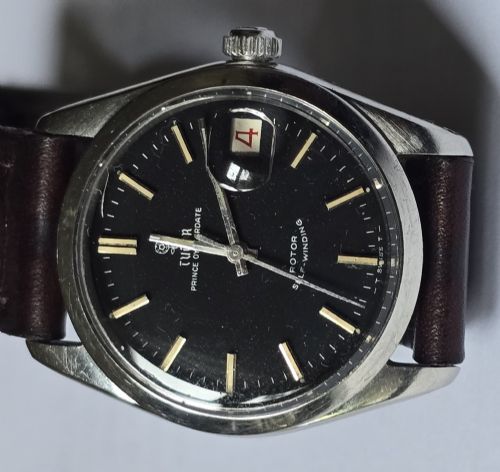
1960s Steel Watch
A 1960s steel watch brings mid-century mechanical horology to the wrist with robust stainless steel cases and classic styling.
1960s Steel Watch
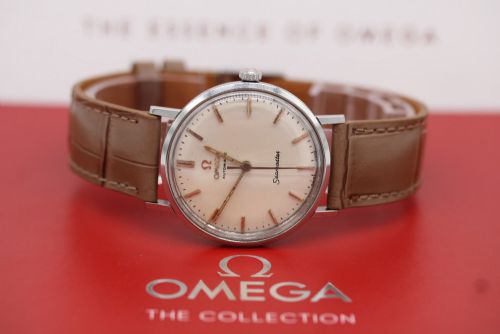
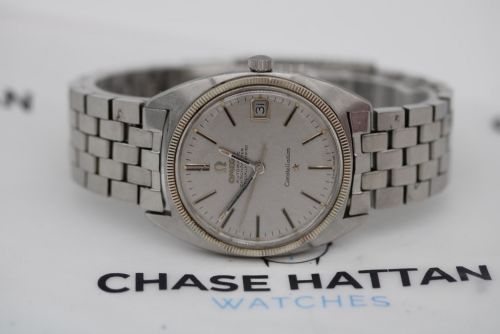
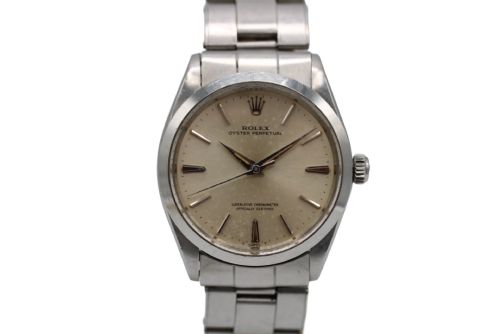
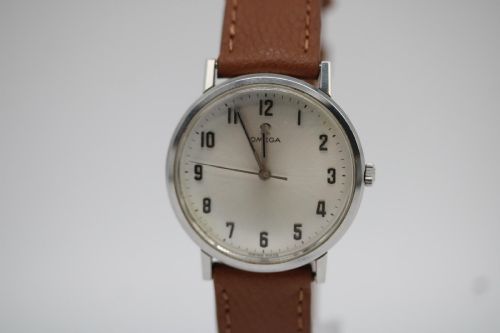
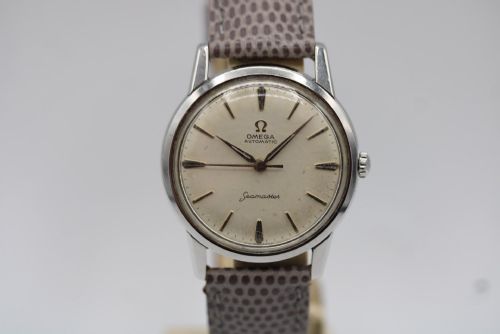
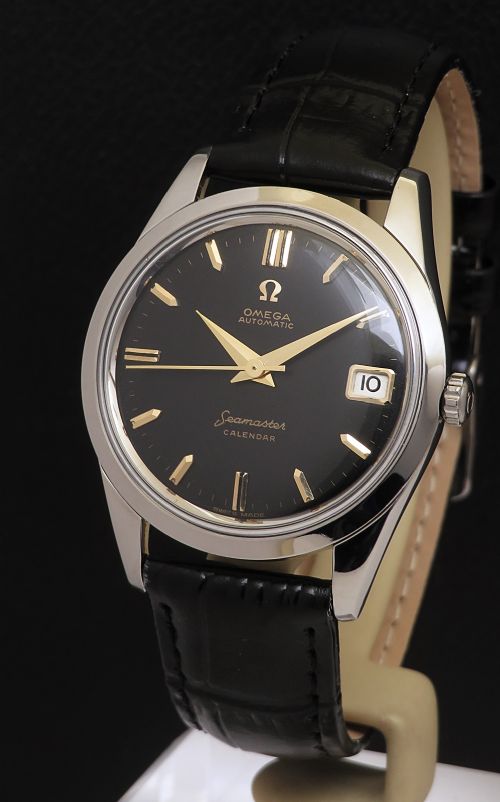
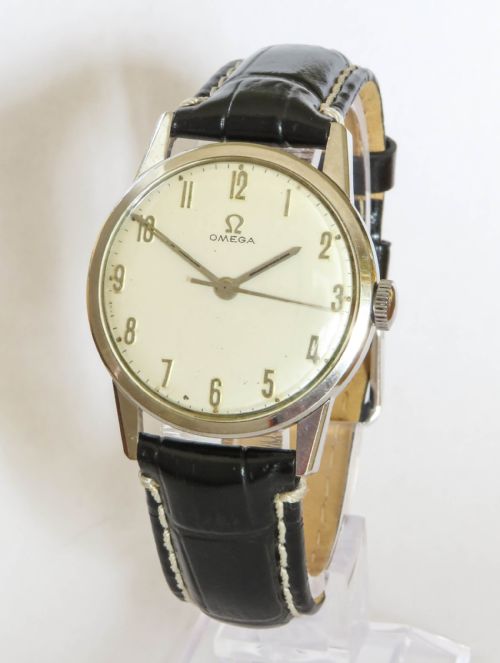
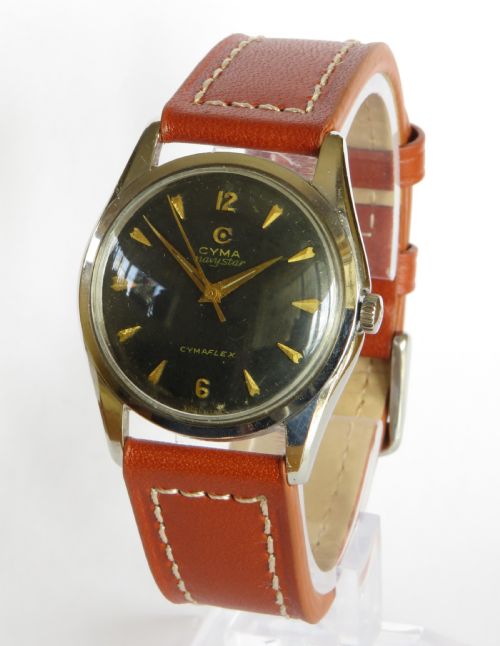
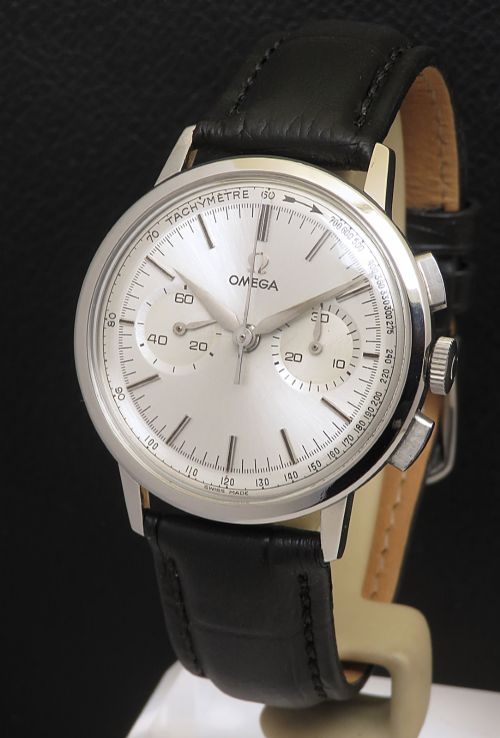
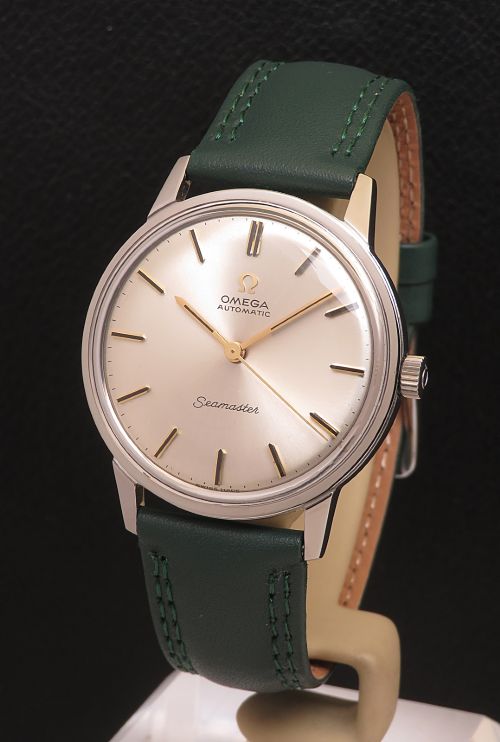
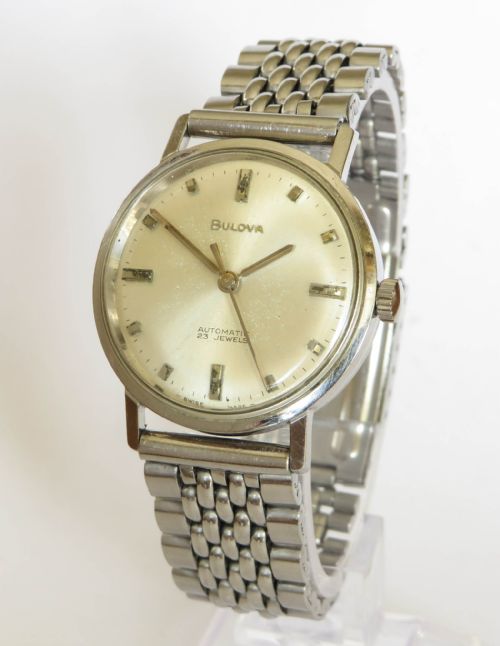
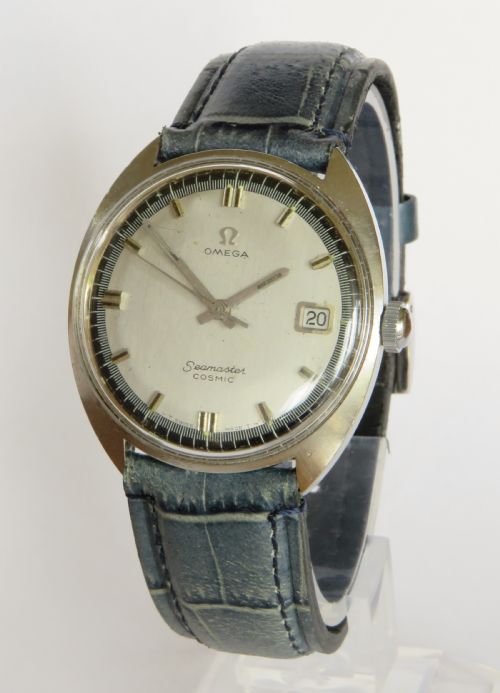
A 1960s steel watch represents an era of significant mechanical development in wristwatches, ranging from simple manual-wind dress pieces to complex chronographs and military issues. These horological items originate primarily from the decade starting in 1960 and stretch slightly later into the period.
The most common forms found here are wristwatches, wrist watches, and specific chronograph editions made for diving, aviation, or general daily wear. Styles recorded span Mid-Century Modern, military specifications, and vintage aviation designs.
Makers represented on this page include established Swiss and international houses producing automatic and manual-wind movements housed in metal.
How they were made
Construction relies heavily on stainless steel for cases, paired with acrylic glass or crystal protecting the dial. Straps typically consist of leather or fabric to secure the timepiece to the wrist.
Movements inside these cases utilise mechanical gearing driven by manual winding or automatic self-winding rotors. Dials display applied markers and sometimes specialised scales such as those found on chronographs and military 24-hour layouts.
1960s Steel Watch Retail Price Guide 2026
Typical asking prices for 1960s steel watch among the pieces listed under this phrase on Sellingantiques today, from the lower quarter to the upper quarter. They describe what is for sale here now, not the wider market.
Drivers editions and panda dials ensure you can time your cornering or look like a racing legend while simply waiting for the kettle to boil.
What varies in quality
Distinction across the range rests on the complexity of the movement and the original intended function, such as chronographs or diving specifications compared to standard three-hand dress watches. Originality of dials, hands, and signed crowns alters the desirability for collectors.
The presence of specific reference numbers, original documentation, and specialised editions like military-issued pieces or drivers' versions elevates individual examples within the category.
Omega·Tudor·Cyma·Bulova·Gruen·Seiko·Longines·Breitling·Eterna·Girard Perregaux·Rolex·Tissot·Belair·Invicta·Beltane
The 1960s Steel Watch Glossary
- Automatic
- A self-winding mechanical movement that uses a weighted rotor to wind the mainspring through natural wrist movement.
- Chronograph
- A watch with a built-in stopwatch function alongside the standard time-displaying hands.
- Manual wind
- A mechanical movement requiring the wearer to manually turn the crown to tension the mainspring.
- Acrylic glass
- A lightweight, shatter-resistant plastic material commonly used for watch crystals during this period.
- Calibre
- The specific internal movement design and designation produced by a watch manufacturer.
1960s Steel Watch: Frequently Asked Questions
How do I wind a manual 1960s steel watch?
Rotate the crown clockwise between your thumb and forefinger until you feel gentle resistance. Stop immediately to avoid over-tensioning the internal spring.
Perform this action daily at a consistent time if you wear the piece regularly to keep the movement running accurately.
Are 1960s steel watches waterproof?
Vintage water resistance standards differ entirely from modern specifications. Original seals degrade over decades and rarely protect against moisture today.
Keep these timepieces away from water, swimming, and heavy rain unless a professional watchmaker has recently tested and serviced the case.
What is the difference between automatic and manual?
Automatic movements contain a rotating weight that winds the mainspring using the natural motion of your arm. Manual versions lack this rotor and require hand-winding via the crown.
Both systems rely purely on mechanical gears rather than batteries or electronic components.
How do I know my watch is from the 1960s?
Inspect the movement serial numbers, case back stamps, and dial typography against historical manufacturer records. Styling cues such as stark geometric markers and steel case geometry also point to this decade.
Consulting reference guides specific to the brand often reveals the exact production year.