






1960s Statement Ring
A 1960s statement ring demands attention through bold scale and distinctive character, offering a wearable piece of mid-century design history.
1960s Statement Ring
A 1960s statement ring is a prominent hand ornament designed to command visual interest through substantial dimensions and striking gem combinations. Buyers seeking this phrase encounter pieces shaped by mid-century, modernist, and Scandinavian design philosophies that prioritize expressive forms over traditional restraint.
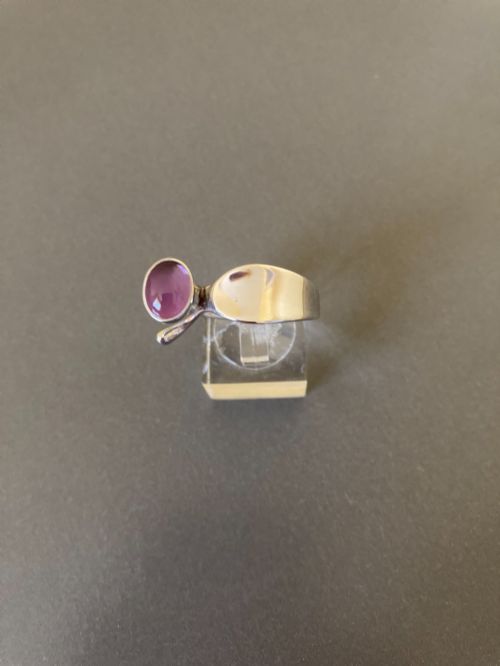
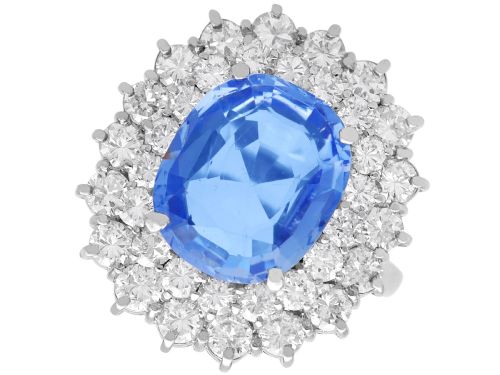
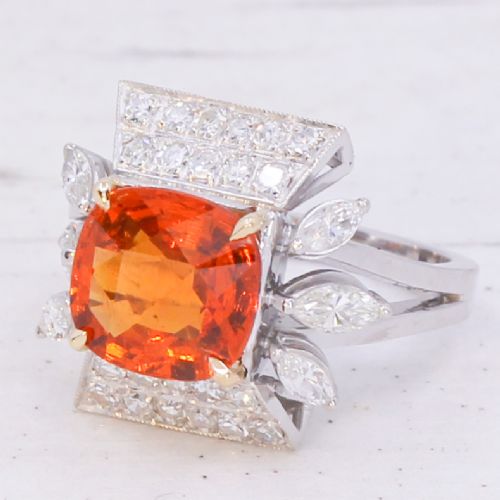
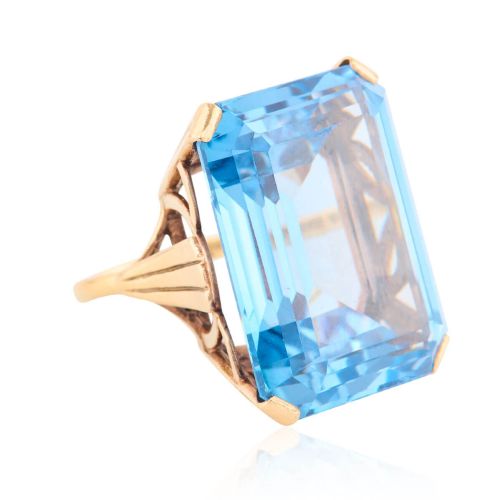
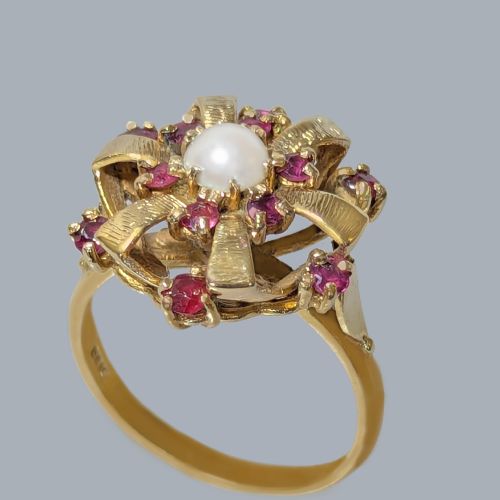
The most common iterations on this page combine generous precious metal settings with sizeable central stones such as sapphire, amethyst, aquamarine, garnet, and diamond. These designs often span multiple fingers or present high-profile clusters, textured bands, and open-work architecture typical of the era.
While the majority of pieces date strictly to the nineteen-sixties and fifties, occasional earlier examples like Edwardian designs appear alongside them. Origins span British workshops, continental centres including Italy and France, and Danish silversmiths, reflecting a broad international appetite for architectural jewellery.
How they were made
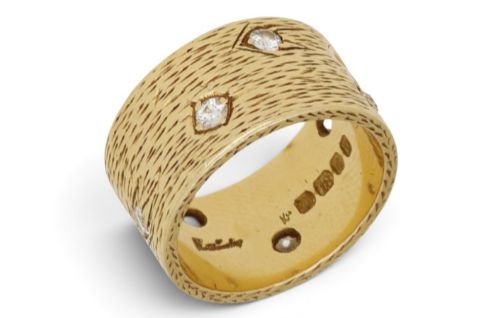
Makers utilised a variety of precious metals, predominantly 18ct and 9ct yellow and white gold, platinum, and silver. These metals were cast, fabricated, and frequently finished with distinct surface textures like heavy graining or openwork scrolls.
Gems were secured through cluster settings, prong mounts, and bezel techniques that emphasised the considerable carat weight of stones such as Burmese sapphires, Colombian emeralds, and large central amethysts, occasionally accompanied by brilliant-cut diamonds.
1960s Statement Ring Retail Price Guide 2026
Typical asking prices for 1960s statement ring among the pieces listed under this phrase on Sellingantiques today, from the lower quarter to the upper quarter. They describe what is for sale here now, not the wider market.
Design influences across the inventory span Mid-Century Modern, Scandinavian Modern, and Italian modernist aesthetics from the 1950s and 1960s.
What varies in quality
The standard of a 1960s statement ring rests upon the architectural ambition of the design and the quality of its central stones. Superior examples display exceptional gem clarity, unheated or untreated natural colour certification, and substantial metal weight that supports complex modernist structures without fragility.
Execution and finishing differentiate the exceptional from the ordinary. Master goldsmiths achieved precision in textured gold work, secure stone integration, and balanced proportions, ensuring the substantial physical presence of the ring remains comfortable and structurally sound on the hand.
Kutchinsky·Randers Silver
The 1960s Statement Ring Glossary
- Cluster ring
- A ring featuring a prominent central stone surrounded by a tight grouping of smaller gems, typically diamonds, to maximise visual impact. This form is common among mid-century cocktail jewellery.
- Modernist
- A design movement of the mid-twentieth century that rejected traditional revivalist motifs in favour of abstract forms, asymmetry, and experimental use of metals.
- Ballerina ring
- A distinctive cluster design where tapered baguette diamonds or stones surround a central gem to resemble the tutu of a ballerina. These pieces provide exceptional spread on the finger.
- Paste
- Hand-cut and polished lead glass used to imitate gemstones in historical jewellery. High-quality paste items from the mid-century period exhibit considerable brilliance and careful metal setting.
1960s Statement Ring: Frequently Asked Questions
What defines a 1960s statement ring?
A 1960s statement ring is characterised by its large scale, heavy metalwork, and prominent central gemstones. These pieces were created to stand out, utilising modernist and abstract designs rather than delicate traditional settings.
They frequently feature high-profile clusters, textured gold surfaces, and colourful stones like aquamarine, amethyst, and sapphire. Their construction reflects the bold aesthetic shifts in jewellery design during the mid-twentieth century.
How do I wear a cocktail ring daily?
Wearing a large cocktail ring daily requires mindfulness regarding its physical dimensions and prominent settings. Because these rings extend further from the hand, care should be taken during physical tasks to avoid striking the central stones against hard surfaces.
Many owners reserve them for evening wear or special occasions to preserve the integrity of the prongs and the softer gem varieties like opal or turquoise. Regular checks by a jeweller help ensure settings remain secure.
Are these rings handmade or mass-produced?
Mid-century statement rings encompass a mix of artisan craftsmanship and small-scale workshop production. Many pieces from this era involve cast gold elements that were hand-finished, textured, and set with gems by skilled jewellers.
Signatures or maker's marks often indicate specific studio production, particularly in Scandinavian silver and high-end British or Italian houses. Each piece bears the individual touch of its maker's technique.
How do I identify a modernist style ring?
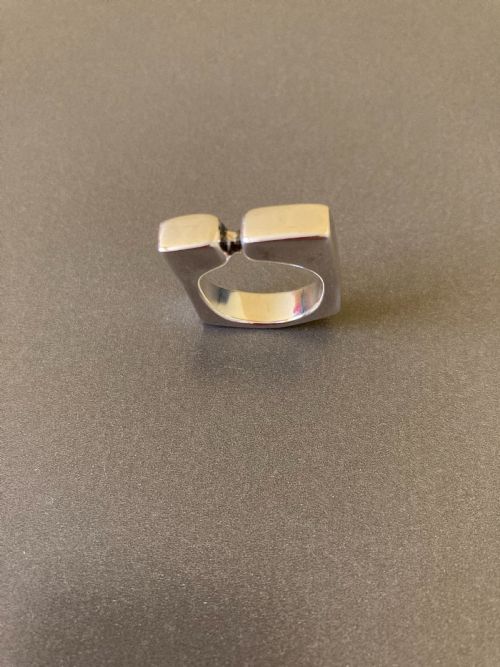
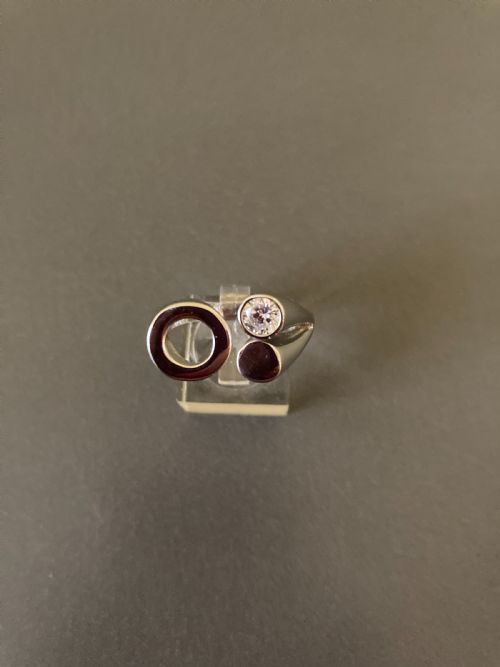
Modernist rings are identified by their departure from symmetry and traditional floral motifs. They embrace geometric shapes, open-work lattice structures, and organic, sculptural forms in the metal.
Look for asymmetrical gem placement, heavy textured finishes, and abstract wirework that prioritizes artistic expression. This aesthetic dominated European and Scandinavian design during the nineteen-sixties.