



1960s Scandinavian Silver Jewellery
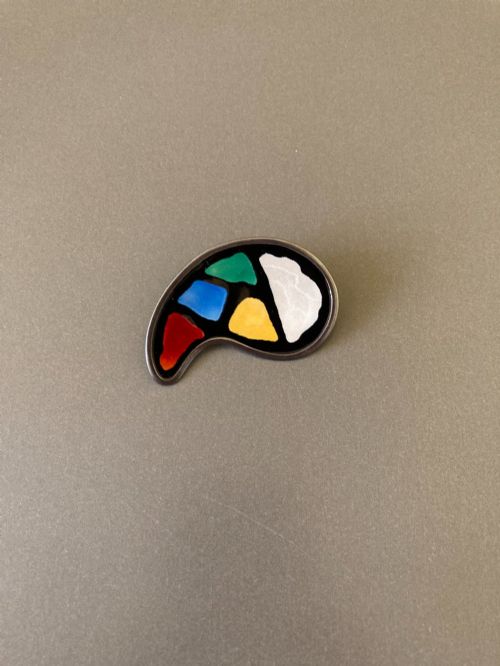
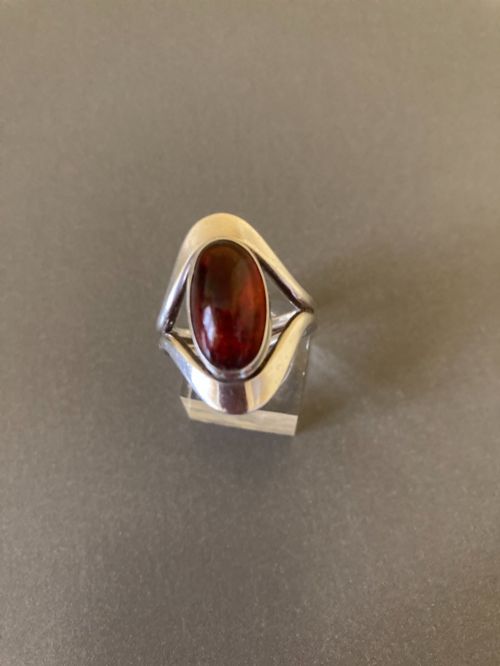
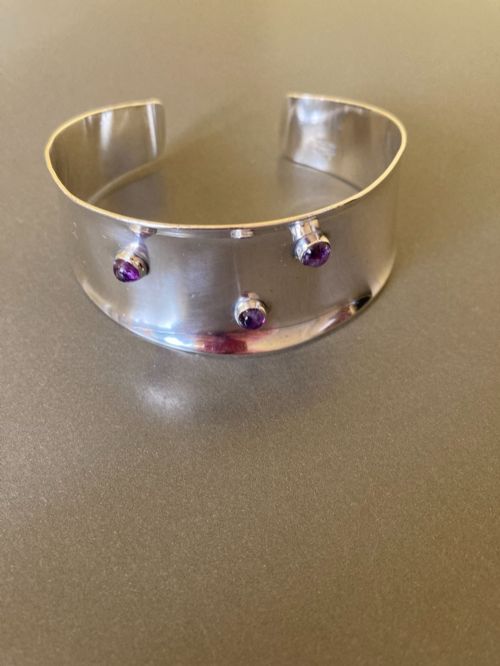
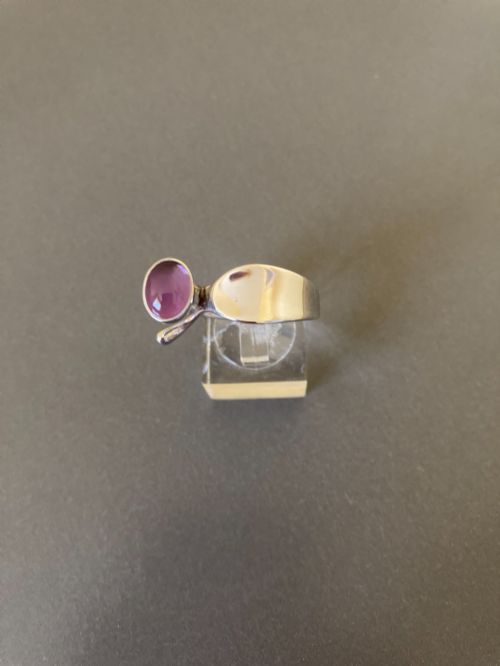
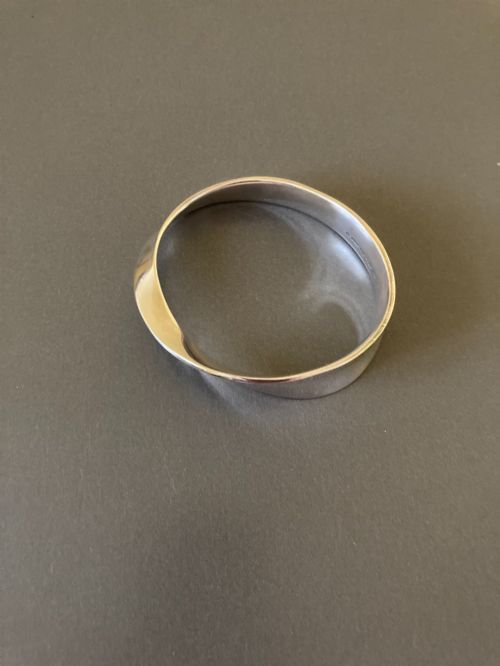
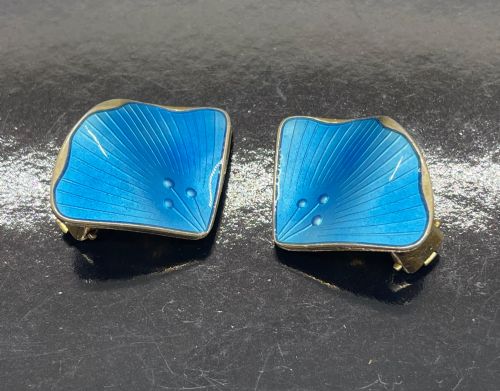
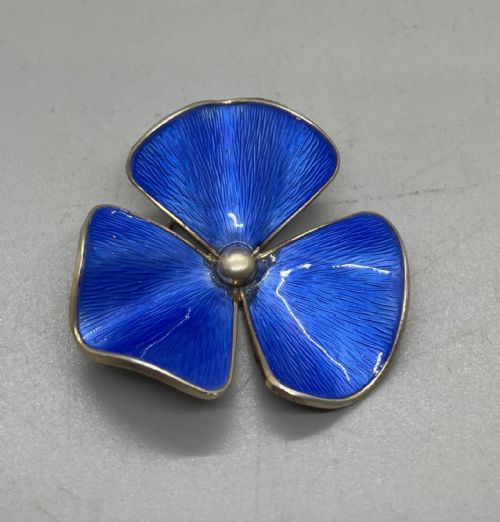
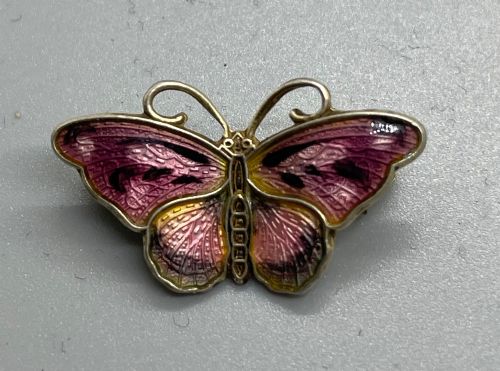
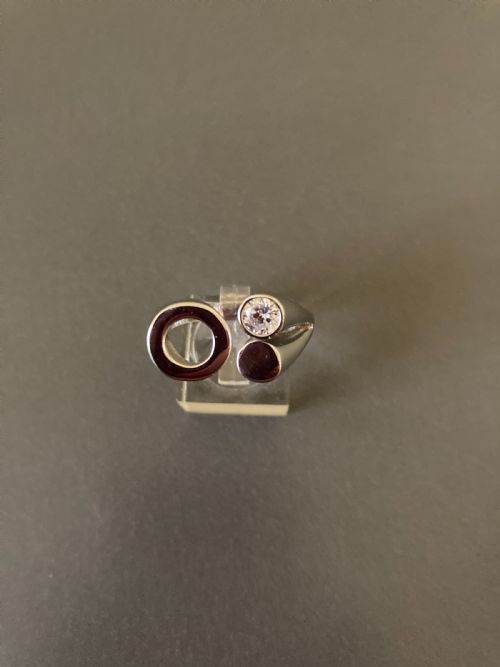
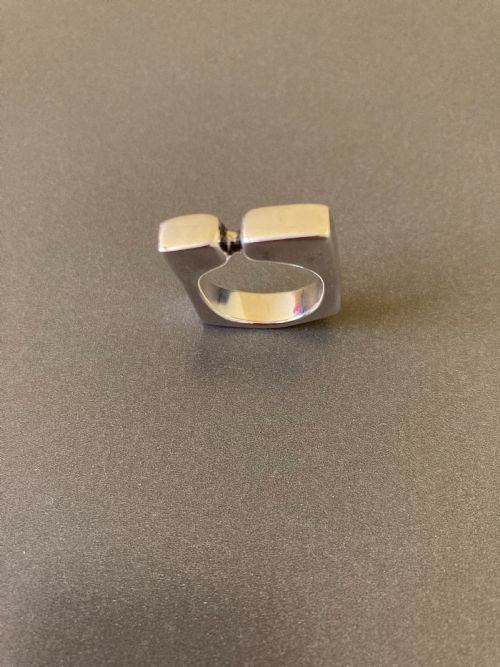
These pieces of 1960s scandinavian silver jewellery combine clean modernist lines with striking enamel and stone work.
1960s Scandinavian Silver Jewellery
When you search for 1960s scandinavian silver jewellery, you are looking at modernist wearable art originating from Denmark, Norway, and Finland during the mid-century period. These items typically reflect the clean, sculptural aesthetics characteristic of mid-century modern design principles.
The pieces appearing on this page most commonly take the form of silver rings, bangles, necklaces, brooches, and earrings. Many incorporate bold centrepieces such as cabochon amethysts, zirconia, or vibrant applications of coloured enamel.
How they were made
Makers utilised sterling silver and silver gilt as the primary foundation for these ornaments, shaping the metal into fluid, architectural forms. Techniques such as guilloche enamelling added rich texture and vibrant colour to the surface of brooches, earrings, and pendants.
Goldsmiths and silversmiths also set natural stones like amethysts and zirconia directly into the silver mounts. This combination of polished metal, translucent enamel, and cabochon stones defines the construction methods of the era.
Listings feature sterling silver, silver gilt, and various stones including amethyst and zirconia.
What varies in quality
Quality in these items rests upon the sophistication of the silversmithing and the precision of the stone or enamel setting. Finer examples display meticulous attention to sculptural form, particularly in abstract or geometric designs.
The depth and clarity of the guilloche enamel work further separate standard pieces from exceptional ones. Premium examples also feature prominent maker attribution, reflecting the output of renowned Nordic workshops.
N E From·Vivianna Torun Bulow Hube·Georg Jensen·Randers Silver·David-Andersen
The 1960s Scandinavian Silver Jewellery Glossary
- Cabochon
- A gemstone shaped and polished with a smooth, rounded surface rather than faceted. This style highlights the natural colour and lustre of stones like amethyst.
- Guilloche enamel
- Decorative enamel technique involving precise, intricate patterns engraved beneath a translucent layer of coloured glass. This method creates a shimmering, reflective surface texture.
- Silver gilt
- Sterling silver that has been coated with a thin layer of real gold. This finish provides a warm, contrasting tone to the silver elements.
- Mid-century modern
- Design movement spanning the middle decades of the twentieth century, emphasising functionality and unadorned organic or geometric shapes. It remains the defining style for this category of jewellery.
1960s Scandinavian Silver Jewellery: Frequently Asked Questions
How do I identify 1960s Scandinavian silver jewellery?
Look for hallmarks indicating the country of origin, maker marks, and the purity of the silver. The aesthetic relies heavily on mid-century modern minimalism, abstract forms, and clean lines.
Designs often incorporate natural stones like amethysts or vibrant enamel work rather than traditional Victorian detailing. Maker attributions are frequently stamped discreetly on the reverse of the metal.
What types of items are most common?
Rings, brooches, and bangles appear most frequently within this category of mid-century design. Pendants and necklaces also feature regularly, often mounted on simple silver chains or torques.
Earrings tend to match the brooches and rings through shared enamel colours or stone choices. Each form showcases the distinct modernist approach typical of Danish, Norwegian, and Finnish silversmiths.
How should I care for silver and enamel pieces?
Store silver jewellery in a dry place away from direct sunlight to prevent tarnishing and oxidation. Clean the metal gently using a soft cloth designed specifically for sterling silver.
Avoid immersing enamel or stone-set pieces in harsh chemical dips, as these substances can damage the glass finish or loosen adhesives. Warm soapy water and a soft brush work safely for most enamelled surfaces.
What defines Scandinavian modern style?
Scandinavian modern focuses on functionalism, simplicity, and organic shapes inspired by the natural world. In jewellery, this translates to smooth curves, minimal ornamentation, and sculptural metalwork.
The aesthetic values craftsmanship and the inherent qualities of materials like silver and enamel. Pieces are designed to sit comfortably on the body while serving as striking artistic statements.