


1960s Sapphire Diamond Ring
A 1960s sapphire diamond ring brings mid-century design and vibrant gemstones together for daily wear.
1960s Sapphire Diamond Ring
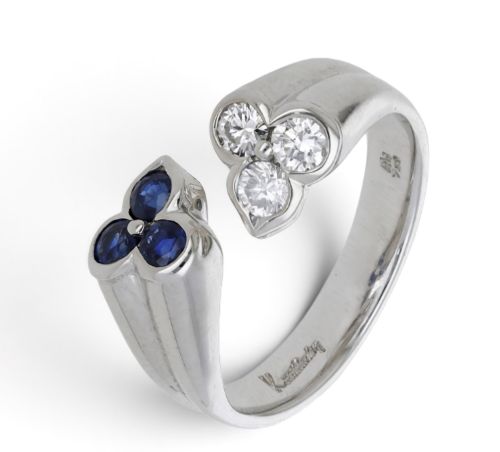
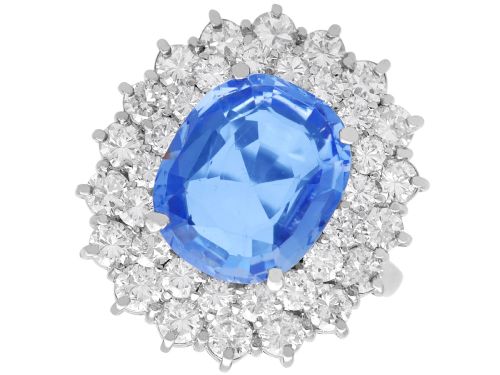
A 1960s sapphire diamond ring is a mid-century piece that captures the distinct aesthetic of the decade through cluster, crossover, and solitaire forms. These rings showcase blue or pink sapphires alongside diamonds, reflecting the styles of the period.
The versions most frequently met on this page include mid-century cluster rings and crossover designs. They span settings in platinum, 18ct white gold, yellow gold, and 14ct white gold.
Makers and origins range from signed British pieces to Italian designs. Gemstones vary widely in scale, including substantial Ceylon and Burmese stones.
Materials and construction
These rings are constructed using precious metals such as platinum and 18ct white gold, alongside yellow gold and 14ct white gold. Metal settings often feature platinum claws or mountings to secure the stones.
Goldsmiths combined bright blue or pink sapphires with old cut, rose cut, and brilliant cut diamonds. Construction methods include cluster arrangements and curving crossover forms characteristic of mid-century modern jewellery.
Current listings feature pieces exclusively from the 1960 period, set in platinum, 18ct white gold, and yellow gold.
Factors that distinguish quality
The calibre of a ring rests on the origin and visual presence of its sapphire, particularly unheated or Ceylon stones with deep saturation. The weight, cut, and brilliance of the accompanying diamonds further define the standard of the piece.
Execution of the metalwork, whether in platinum or white gold, dictates the refinement of the setting. Provenance and original presentation cases elevate the standing of a ring within the mid-century range.
Kutchinsky
The 1960s Sapphire Diamond Ring Glossary
- Cluster ring
- A ring design featuring a central gemstone surrounded by a border of smaller stones, typically diamonds framing a sapphire.
- Crossover ring
- A style where the shank divides and sweeps around the finger in opposing curves, often holding two principal stones.
- Ceylon sapphire
- A sapphire originating from Sri Lanka, known for a bright and vibrant blue hue.
- Old cut diamond
- A traditional diamond cutting style predating modern brilliants, characterised by a smaller table and high crown.
- Rose cut diamond
- A vintage diamond cut featuring a flat base and a domed crown faceted with triangular shapes.
1960s Sapphire Diamond Ring: Frequently Asked Questions
How do I wear a 1960s ring safely?
These mid-century rings suit regular wear if handled with reasonable care during manual tasks. Platinum and gold settings securely hold the sapphires and diamonds for daily use.
Removing the ring during heavy activity protects the metal and stones from unnecessary impacts. Periodic checks by a specialist ensure the claws remain tight.
What defines mid-century modern style?
Mid-century modern jewellery breaks away from traditional rigid symmetry by embracing fluid lines and organic shapes. Crossover rings and floral cluster designs are typical expressions of this era.
The aesthetic combines bright white metals like platinum and white gold with bold gemstone colour contrasts.
Are these rings suitable for engagements?
Cluster and crossover rings from this period serve as distinctive engagement rings due to their durability and striking appearance. Hard sapphires and diamonds withstand daily wear on the hand.
Original vintage rings offer a character distinct from modern mass-produced jewellery.
How do I identify a 1960s piece?
Dating relies on stylistic cues such as textured gold, organic cluster arrangements, and crossover silhouettes typical of the decade. Hallmarks and maker signatures provide definitive chronological markers.
Materials commonly include 18ct white gold and platinum settings housing natural sapphires and diamonds.