

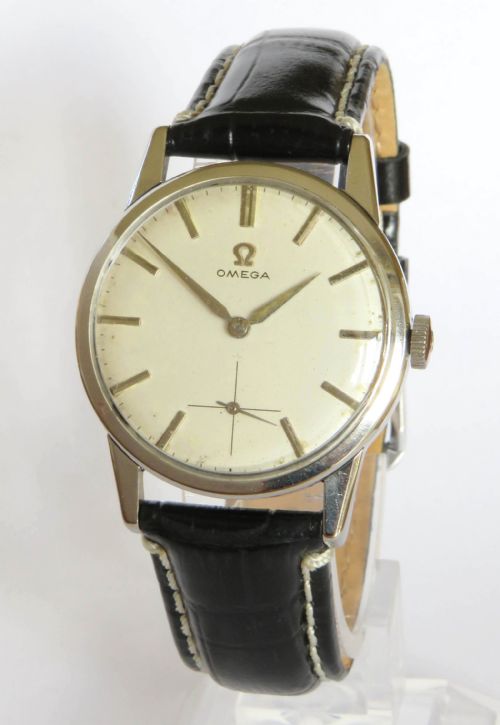
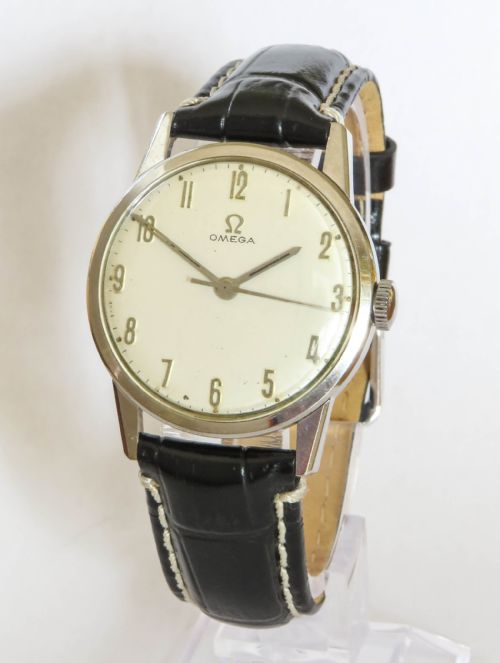
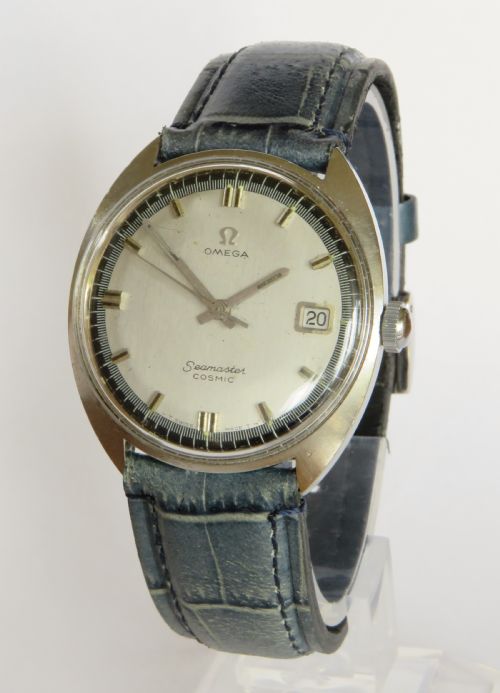
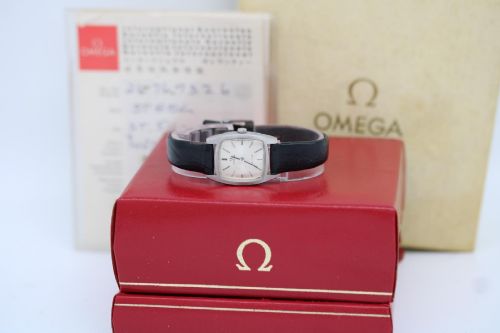

1960s Omega Wrist Watch
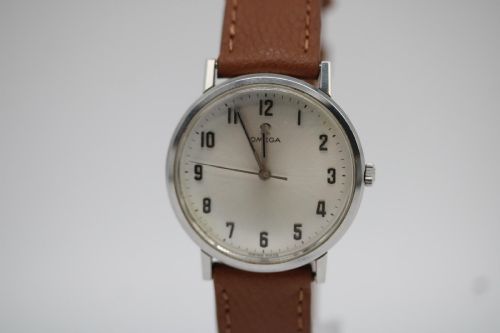
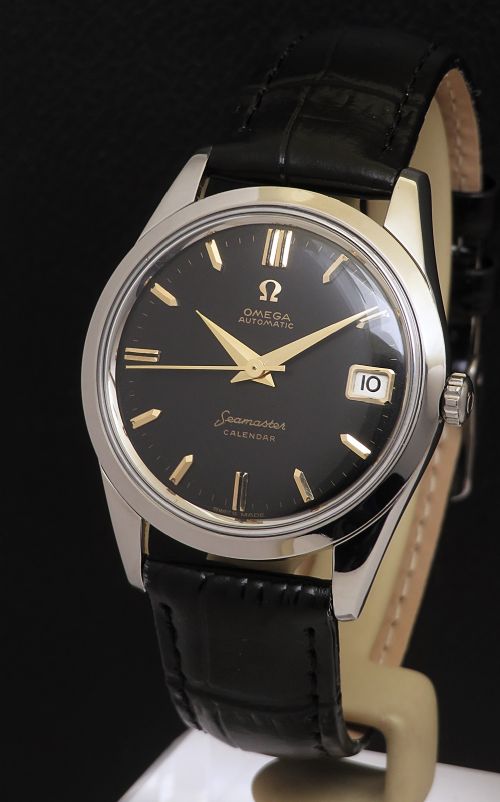
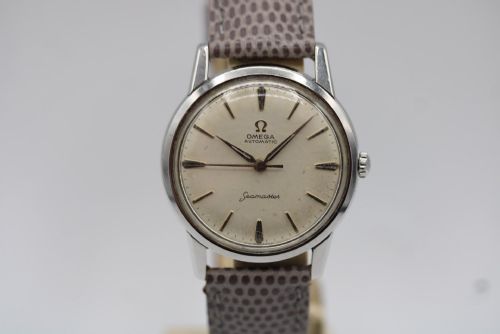
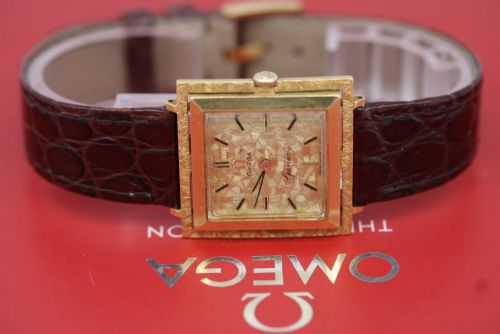
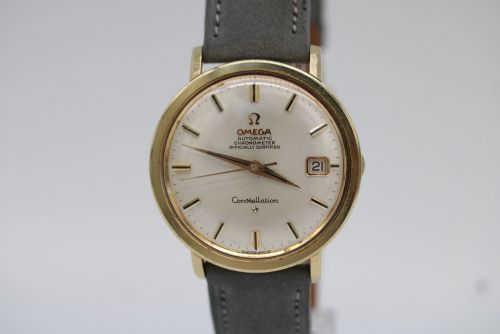
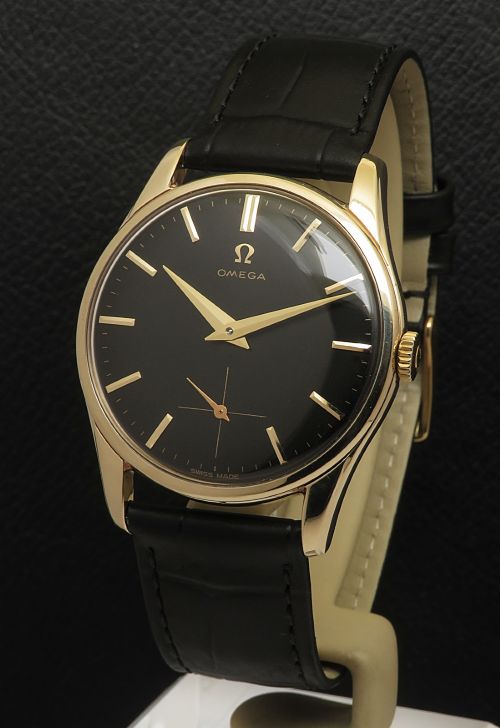
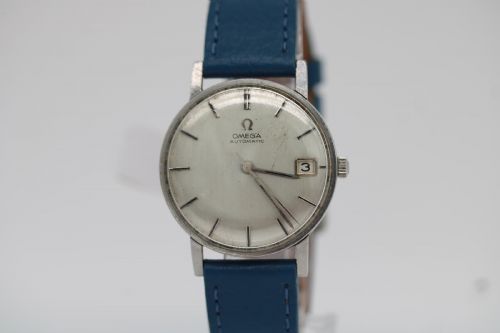
These pieces are a 1960s omega wrist watch, sought after for their mid-century modern design and mechanical precision.
1960s Omega Wrist Watch
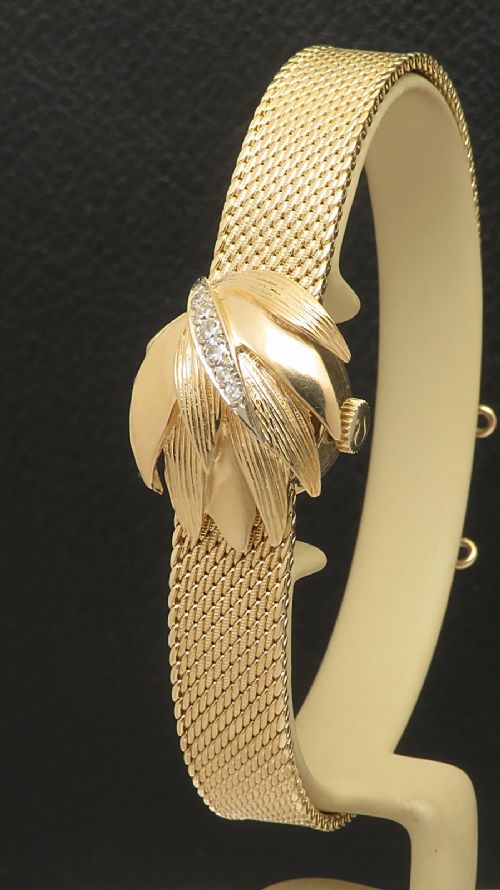
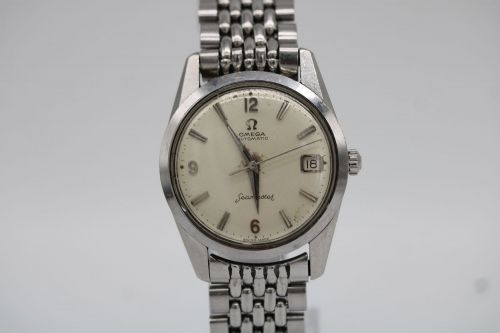
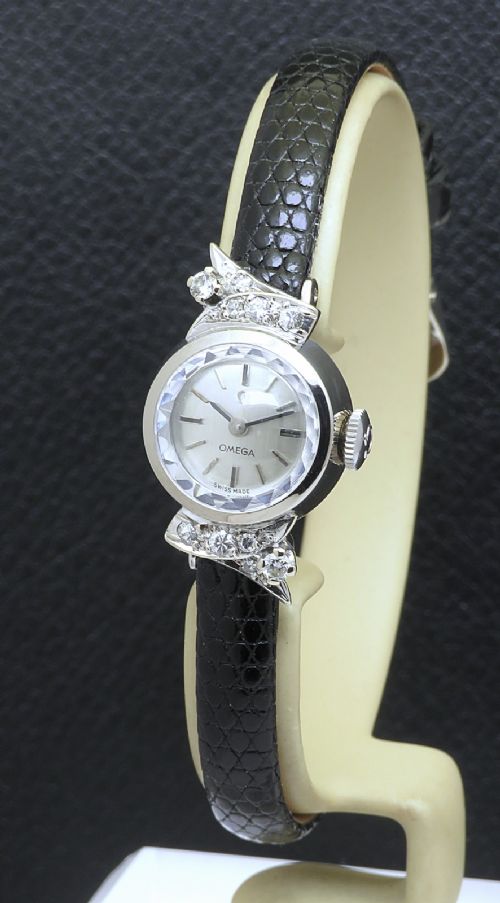
A 1960s omega wrist watch represents a period of significant horological development, encompassing both men's wristwatches and ladies' cocktail watches. The pieces available span styles from mid-century modern to mid-century modernist, reflecting the design sensibilities of the decade.
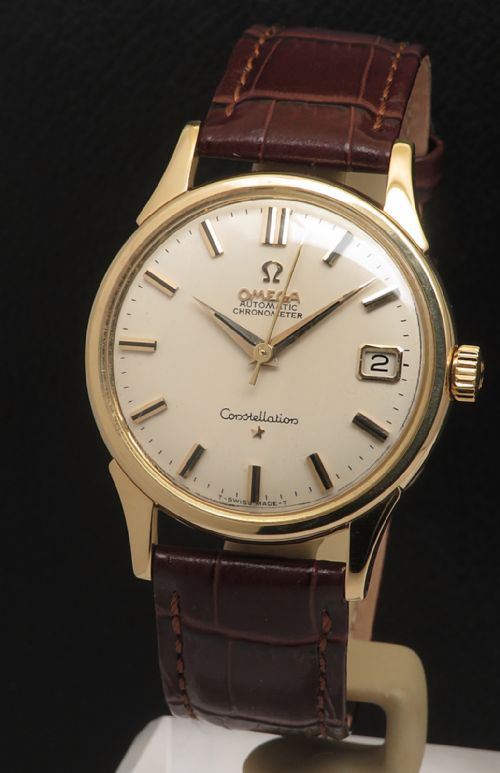
Gents models commonly appear as Seamaster, Geneve, Constellation, and De Ville lines. These frequently feature automatic or manual wind movements housed in stainless steel, gold plate, 9ct gold, or 18ct gold cases.
How they were made
Cases utilise precious metals including solid 9ct, 14ct, and 18ct gold, alongside gold plate and stainless steel. Dials are protected by acrylic glass, acrylic, or standard glass.
Movements rely on mechanical calibres, operating via automatic self-winding systems or manual wind mechanisms. Straps are predominantly constructed from leather to complement the metal cases.
1960s Omega Wrist Watch Retail Price Guide 2026
Typical asking prices for 1960s omega wrist watch among the pieces listed under this phrase on Sellingantiques today, from the lower quarter to the upper quarter. They describe what is for sale here now, not the wider market.
Some cocktail watches double as discreet evening bracelets, hiding time behind diamonds.
What varies in quality
The choice of case material establishes the baseline tier of a piece, moving from stainless steel and gold plate to solid 9ct, 14ct, and heavy 18ct gold cases. Specific models like the Constellation or diamond-set cocktail watches represent higher complexity and finishing.
The presence of original components such as boxes, papers, and signed buckles alters the completeness of a piece. Dial condition, including patination or untouched factory finishes, further distinguishes individual examples.
The 1960s Omega Wrist Watch Glossary
- Automatic
- A mechanical watch movement wound by the natural motion of the wearer's arm via an internal rotor. This system removes the need for daily manual winding.
- Calibre
- The specific manufacturer's designation for a particular watch movement design. Collectors use this number to identify the exact internal mechanics.
- Cocktail watch
- A small, highly decorative ladies' timepiece often set with precious stones and worn for formal occasions. These pieces prioritize jewellery design alongside timekeeping.
- Gold plate
- A layer of gold bonded to a base metal core such as steel or brass. This technique offered the appearance of solid gold at a lower production cost.
- Manual wind
- A movement powered by a mainspring that the user must wind by hand via the crown. These watches lack an automatic rotor, resulting in a slimmer case profile.
1960s Omega Wrist Watch: Frequently Asked Questions
How do I wind a manual watch?
Rotate the crown clockwise between your thumb and forefinger until you feel gentle resistance. Stop immediately to avoid damaging the mainspring.
Perform this action at roughly the same time each day to maintain consistent tension and timekeeping accuracy.
Are these watches water resistant?
Vintage timepieces from this era do not meet modern water resistance standards. Rubber seals and gaskets degrade over decades, leaving movements vulnerable to moisture.
Keep the watch away from swimming, showers, and heavy rain to protect the dial and internal steel components.
What is a Seamaster?
The Seamaster is a prominent model line introduced by the maker, known historically for water-resistant properties and robust construction. These pieces served as versatile everyday timepieces.
Over the decade, the line expanded to include variants like the Cosmic and De Ville, spanning both dress and sports categories.
How do I read a reference number?
Reference numbers stamped inside the case back or on the movement identify the specific model, case material, and design iteration. Consulting these digits helps verify the original factory specifications.
Different numbers correspond to distinct variations within families like the Geneve or Constellation ranges.